Published: 01:09 BST, 25 August 2026 | Updated: 12:27 BST, 25 August 2026
America's largest reservoir has sunk to its lowest level in history, pushing 40 million people closer to a water and power crisis.
Lake Mead has lost 180 feet of water over the past three decades as repeated droughts starved the reservoir of the water needed to replenish it.
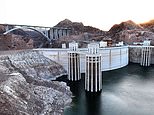
The vast lake, which stretches along the Colorado River between Nevada and Arizona, now stands below 1,040 feet above sea level, edging closer to levels that could cripple electricity production at Hoover Dam.
AccuWeather Senior Meteorologist Chad Merrill called the extreme drought 'the tipping point' in a decades-long cycle of dry weather across the West, warning that water shortages and power problems are now almost unavoidable.
The water cuts have already started, with the US Bureau of Reclamation, which manages dams and reservoirs, signing off on a plan that will cut water usage from the Colorado River by 20 percent in Arizona, California and Nevada through 2028.
'At least through the fall season, there's still going to be significant shortages of water,' Merrill told the Daily Mail. 'The hope is there's a much better winter than last winter was, but this will likely continue to be a problem even by this time next year.'
The Colorado River supplies drinking water and irrigates farms across seven states, while also feeding Lake Mead behind Hoover Dam and Lake Powell behind Glen Canyon Dam.
Merrill added that the worsening drought could cause even more harm, warning that wildlife throughout the region may become more aggressive toward residents as the animals search for dwindling sources of food and water.
At the same time, he fears that when rainstorms do arrive later this year, the ground will be so rock-hard from drought that it cannot absorb the water, potentially triggering deadly flash floods that catch many Americans by surprise.
Parts of Lake Mead have become dry wastelands as years of drought have sent water levels to their lowest point in history
Merrill explained that, due to the extremely dry conditions, the soil in many areas will have dried out or become so parched that it will not be able to absorb all the rain forecasters believe will come due to the recently formed El Niño in the Pacific.
'Even though we've been dealing with a long-term drought, there's still the possibility of flash floods. When you have very high rain rates over a very dry ground, that can produce flash flooding,' Merrill explained.
'So, for those folks out west, just make sure that you practice your flash flood plan, just like folks in the Midwest practice their severe weather plan when we get into the spring season.'
Even a wetter-than-average fall may bring flooding long before it delivers enough water to reverse decades of losses at Lake Mead.