Spanish fashion retailer Mango’s India business is now split roughly 50:50 between online and offline, with deliveries from stores through fashion e-commerce platform Myntra’s quick-commerce service helping drive repeat purchases.
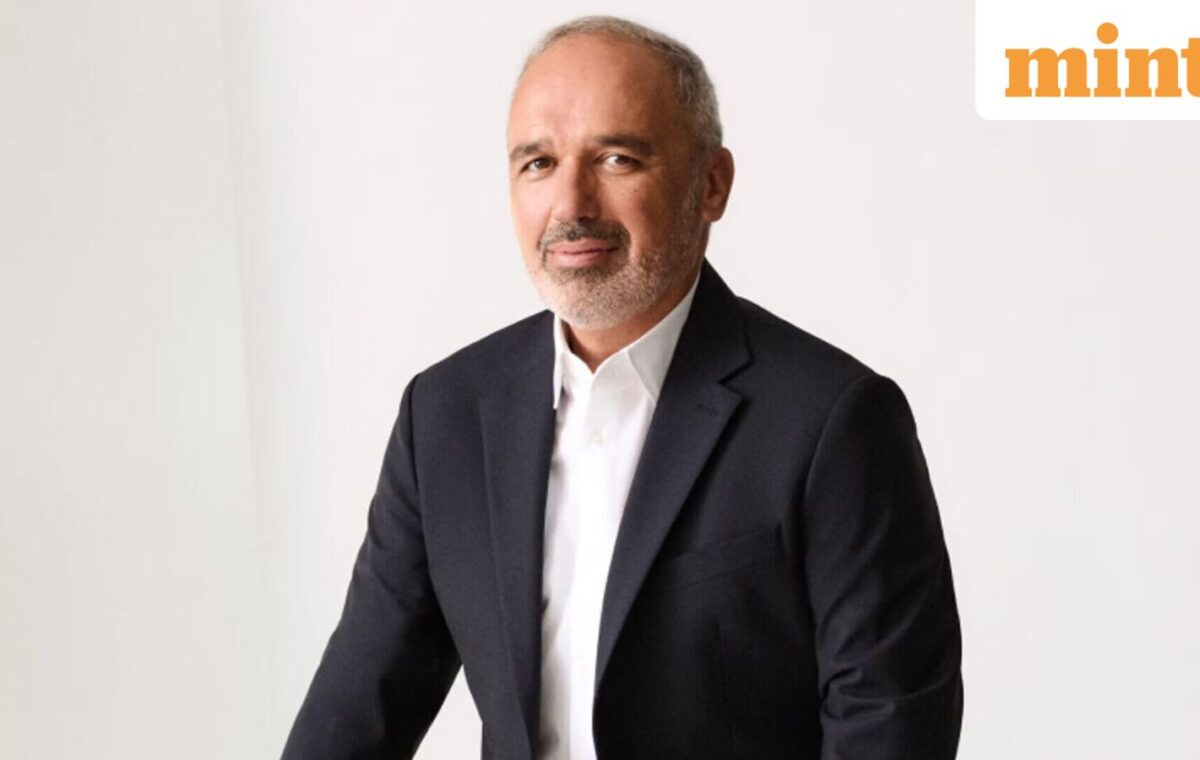
About half of Mango's India sales now come through fashion ecommerce platform Myntra, its exclusive master franchise partner, and the other half through brick-and-mortar stores, Daniel López García, chief commercial officer and board member, Mango, and Venu Nair, chief of strategic partnerships and omnichannel for Myntra, told Mint.
At the end of 2024, Myntra launched M-Now quick-commerce service, where buyers order products that are collected from nearby stores and delivered through logistics partners. Today, as many as seven out of 10 customers buying through M-Now are repeat customers, Nair said.
The use of store inventory to fulfil online orders is, however, blurring the distinction between store purchases and ecommerce. “The ability for people to be able to shop from the comfort of their home and still get it delivered in a very short time increases the opportunity for the brand to sell and increases the possibility for the customer to be able to choose,” Nair said.
About 2,000 stores across brands are connected to Myntra’s M-Now omnichannel platform.
Garcia said the model is more developed in India than in Europe, where quick commerce remains concentrated only in larger metropolitan markets. “The beauty of what Myntra has built is that this is not only targeting the big metropolis in India, but it’s targeting the whole country. It’s also connecting the stock in the stores for the advantage of the consumer,” he said.
The Spanish fashion retailer has around 76 points of sale, including 42 exclusive brand outlets, some of which are operated by franchise partners, Nair said. That is down from roughly 110 points of sale in 2024, but the decline reflects a deliberate shift away from smaller shop-in-shop formats rather than a retreat from physical retail.
We have consciously moved away from shop-in-shop formats or stores inside larger retail stores, Nair said, because smaller 200-500 square feet spaces did not allow it to offer a full product range or the brand experience and customer service it wanted.
Mango entered India in 2001 and began its partnership with Myntra in 2014 through Myntra Jabong India Pvt. Ltd. (MJIPL). In 2017, Myntra secured the master distribution and management rights for Mango in India, covering both its online and offline presence. The partnership has also enabled Mango to offer Indian consumers its full assortment at the same time as markets such as Spain and West Asia, López said.
MJIPL has distribution, franchise or operating arrangements with international brands including Sisley, Mango, Next, Nautica and Aeropostale, Abercrombie & Fitch and Hollister, etc.
MJIPL’s business has grown alongside the expansion of this portfolio. In its latest ministry of corporate affairs filing, accessed through business intelligence platform Tofler, it reported operating revenue of ₹6,012.6 crore in 2024-25, up 4.8% from ₹5,736.1 crore a year ago. Its net loss narrowed to ₹997.7 crore, from ₹1,190.4 crore.
Meanwhile, Mango grew its turnover by 13% in 2025, crossing €3.7 billion, López said. International markets account for 78% of the company’s turnover.
The company is also expanding larger stores that bring multiple categories. Last week, Mango expanded its store at Ambience Mall in Gurugram, turning the earlier womenswear-only outlet into a larger store housing Mango Woman and Mango Man. It will do the same in another outlet in Delhi.
The company now sees the country as one of its most promising markets globally, although suitable retail real estate remains a constraint. “We are finding a scarcity of good real estate across India, so we cannot do as aggressive an expansion as we can do in other parts of the world,” López said.
It is also looking beyond larger cities. New franchise-operated stores are planned in Visakhapatnam and Jaipur, with the Visakhapatnam outlet expected within six months and the Jaipur store by the end of the year.