Find this story in your account’s ‘Saved for Later’ section.
Gloria Steinem, known as a journalist and leader of the feminist movement, died at home in New York City at age 92. Her namesake foundation confirmed her death in an Instagram post. “Gloria’s greatest gift was her ability to listen to others, to make others feel seen and heard,” its tribute reads. “Her words, actions, and example gave people permission to be their truest selves. Gloria lived true to her independent spirit, always with curiosity and a great sense of humor. She spent her recent years doing the two things she loved most: being in community with others and writing. She has welcomed hundreds of guests into her living room for Talking Circles, a tradition she insisted will continue long after she is no longer with us. As Gloria wrote in her forthcoming book, An Unexpected Life, ‘I have now lived for more than fifty years in this brownstone, in rooms that have witnessed lives before mine, and will know others after I am gone.’”
Steinem was born in 1934 in Toledo, Ohio, and grew up living and traveling in the family’s trailer. Her mother was mentally ill, and her struggles, particularly after Steinem’s parents broke up, informed her early understanding on women’s rights. Her breakthrough into popular culture came with her 1963 article “A Bunny’s Tale,” chronicling her time infiltrating the Playboy Club, posing as a Playboy bunny. Because of the article, Hugh Hefner agreed to stop requiring gynecological exams for his employees. In 1969, she covered an abortion rally for New York. “I didn’t begin my life as an active feminist until I went to an abortion speak-out in a church basement in the Village in 1969, when I was already in my mid-thirties,” she wrote in 1998.
In 1972, she co-founded Ms. magazine. Initially an insert into New York, Ms. became a full-fledged feminist magazine due to demand. The first issue included a feature, “We Have Had Abortions,” signed by 53 women, including Billie Jean King, Judy Collins, Susan Sontag, and Steinem herself. Throughout her life, she continued to advocate for women. She co-founded the National Women’s Political Caucus in 1971 and gave the now-famous “Address to the Women of America” speech. “This is no simple reform,” she said. “It really is a revolution. Sex and race, because they are easy, visible differences, have been the primary ways of organizing human beings into superior and inferior groups, and into the cheap labor on which this system still depends.” Later in life, she publicly opposed the Gulf War and defended Anita Hill in the ’90s, advocated for same-sex marriage in the 2000s, and co-wrote a letter to the editor of the New York Times in 2020 with S. Mona Sinha supporting trans people’s right to health care.
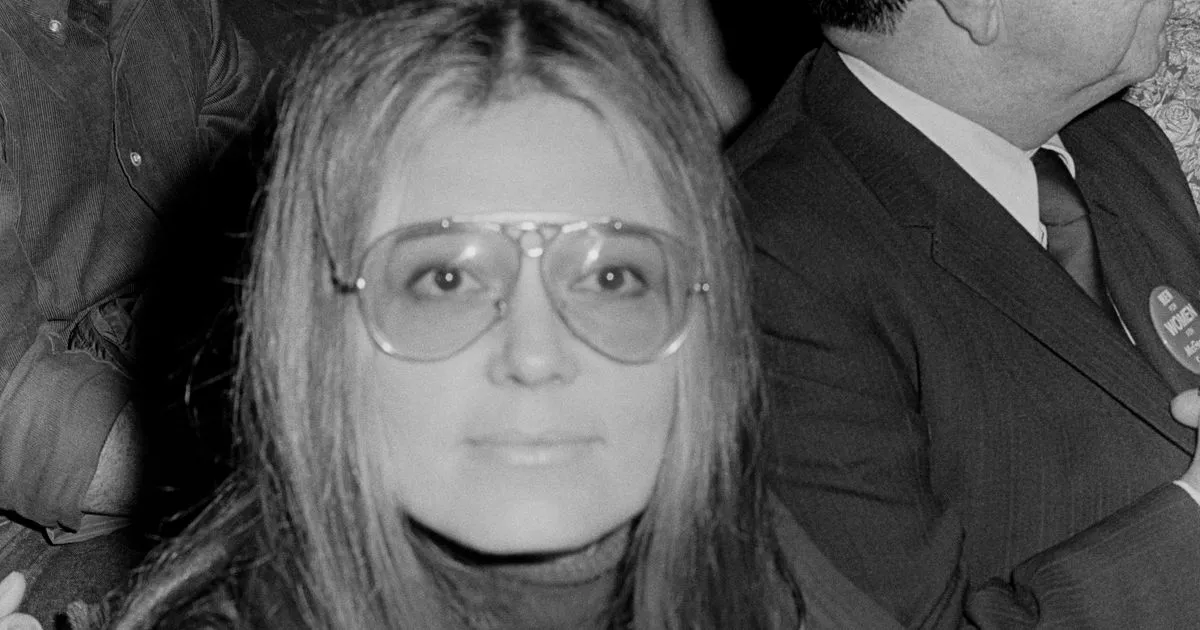
A true icon, not just Steinem’s politics and writing but her image has become a symbol for feminism worldwide. Her trademark long hair and wide sunglasses are shorthand for the ’70s women’s-liberation movement. In film, she was portrayed in 2020 by Alicia Vikander and Julianne Moore in The Glorias. That same year, Rose Byrne played her in the miniseries Mrs. America, which examined ’70s feminism through the lens of the conservative activist Phyllis Schlafly. And in 2018, she was depicted in the play Gloria: A Life. Reflecting on her own legacy, Steinem typically downplayed her legendary status. “If there is any legacy, I would just say that I was trying to make the world a little more fair and a little more representative than it was when I got here,” Steinem told the BBC in 2023. “This included laughter and joy, as well as anger.”
By submitting your email, you agree to our Terms and Privacy Notice and to receive email correspondence from us.