The surprising EV battery winners and losers after 93,000 miles
When you purchase through links on our site, we may earn an affiliate commission. Here’s how it works.
A new study, which has looked at 500,000 independent EV battery health tests, has revealed which electric cars boast the most battery capacity as they age — and which models suffer the biggest losses over time.
The data comes from Austrian battery diagnostics company Aviloo (via InsideEVs), which has analyzed used EVs across 20 popular models between 2022 and 2026.
The company says the new Aviloo Certified EV Battery Report is the world's largest independent study of used EV battery health, drawing on a wider database of more than one million tests from across the globe.
And while the results are broadly good news for EV owners, there are some surprisingly big differences between models.
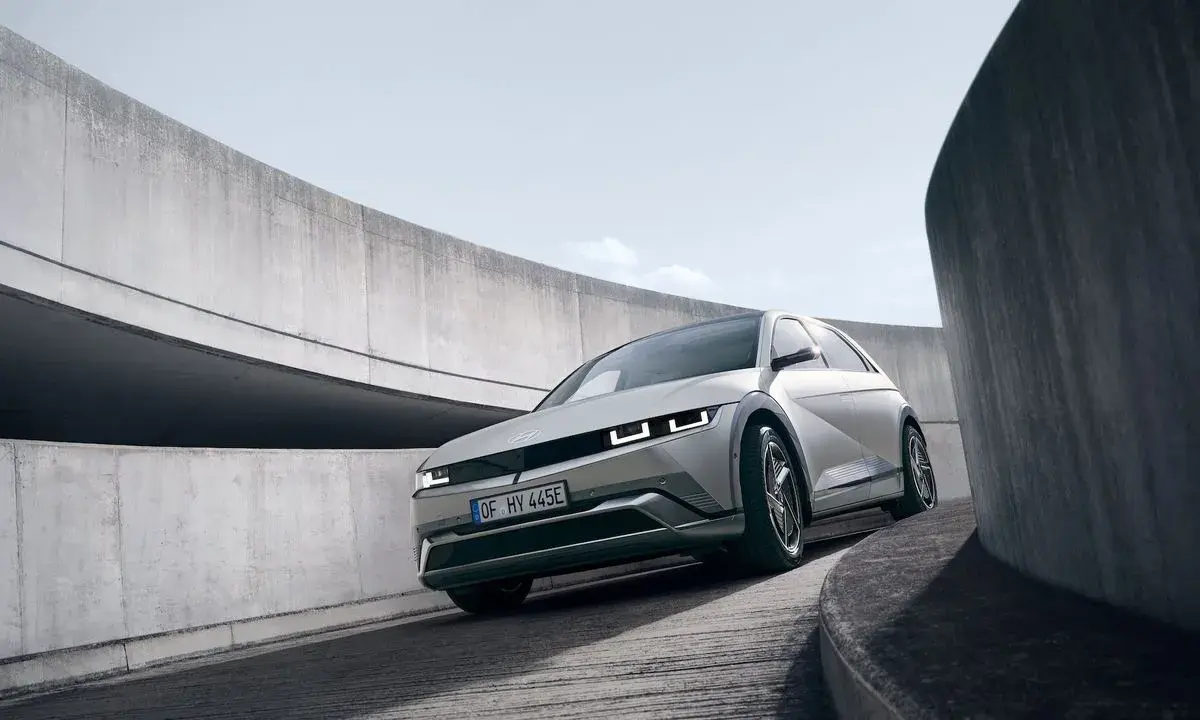
Cutting to the chase for a second, the standout performer is the Hyundai Ioniq 5, which recorded a median State of Health (SoH) of 97.2% at 50,000 m (31,000 miles) and 95% at 100,000km — or around 62,000 miles. Even at at 150,000km (93,000 miles), it still retained 92.8% of its original Sate of Health.
That puts it comfortably ahead of the Tesla Model Y, which recorded a median SoH of 90.3% at 150,000 km. The Tesla Model 3 was lower still, at 88.94%.
At the other end of the table, smaller EVs with relatively small batteries performed less well.
Sign up for breaking news, reviews, opinion, top tech deals, and more.
The Nissan Leaf ZE1 generation with its smaller 40kWh battery, for example, recorded 86.67% at 150,000 km, while the Renault Zoe of the same era managed 87.33% and the first generation Mini Cooper SE 87.11%.
The really interesting part of Aviloo’s data isn't simply which model wins. It's how much individual cars can vary from the median.
For example, at 150,000km, 99% of Tesla Model Ys in the dataset fell between 82.9% and 94.9% battery SoH. For the BMW i4, the range was 87.5% to 96.9%.
That means two seemingly identical used EVs with the same mileage can have "dramatically different" battery health — and therefore potentially very different real-world ranges and performance.
Marcus Berger, CEO of Aviloo said: "The truth in this data is that averages hide a lot. Yes, EV batteries are aging better than the ‘they wear out fast’ myth suggests — but that's not the most useful thing this report tells you.