Account subscription benefits alongside Premium Stories, Editorials,
Opinions and more. Unlock these with Subscription
The View From India
Looking at World Affairs from the Indian perspective.
First Day First Show
News and reviews from the world of cinema and streaming.
Today's Cache
Your download of the top 5 technology stories of the day.
Science For All
The weekly newsletter from science writers takes the jargon out of science and puts the fun in!
Data Point
Decoding the headlines with facts, figures, and numbers
THEdge
At the cutting edge of education and careers
Health Matters
Ramya Kannan writes to you on getting to good health, and staying there
Gender Agenda
Stories from beyond the binary.
The Hindu On Books
Books of the week, reviews, excerpts, new titles and features.
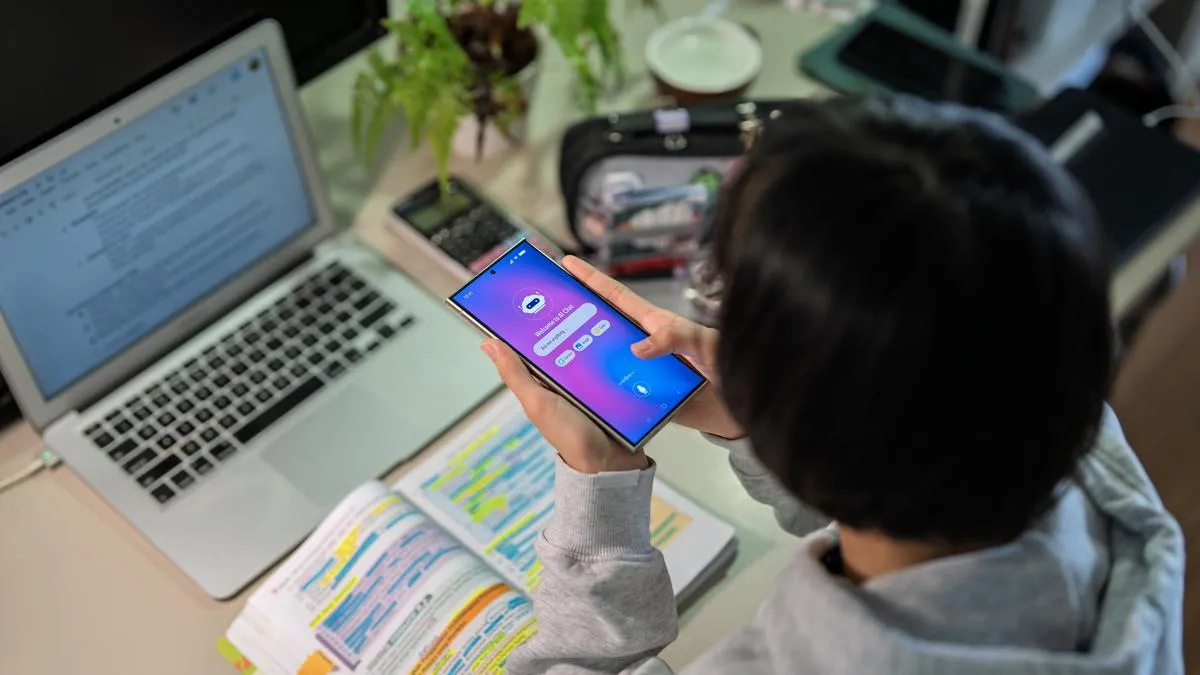
If the AI realizes that the user is challenging what it says, the neural network path changes towards more advanced thinking. When the users’ responses defeat or revise the AI’s thought, subsequent responses become more cautious. This leads to a more refined output from the AI tool.
| Photo Credit: Getty Images/istockphoto
Each one of us has questions throughout our life. And we know the answers to only a few. Efforts of varying degrees go into getting the answer. We can ask our parents, teachers, friends, a book, an article, the internet or an expert who helps us find the answer. The process takes time, which means many failed attempts and a lot of reflections. But since 2023, we have a new answering tool that knows it all- Artificial Intelligence. And this tool has become much smarter with lesser mistakes in 2026.
(Sign up for THEdge, The Hindu’s weekly education newsletter.)
“The unexamined life is not worth living”, the words supposedly uttered by Socrates, who was forced out of the world for just questioning, need a revival today. Repeated questioning and critical thinking have been the foundation of human intelligence for over 2,000 years. What if we encounter a situation when questioning itself becomes a huge effort for humans.
Let us take a scenario where a student shares a part of his lesson with the AI tool and asks it to explain it in an easy-to-understand way. This is a type of human-AI communication that we can call source-based use of artificial intelligence. In such interactions, any question asked by the student is answered by the AI tool considering the content given in the source. These answers can be easily verified with a teacher or a related reference book. The good thing is that such source-dependent use of AI, coupled with a prompt to the tool instructing it not to self-imagine (hallucinate), gives accurate response most of the time.