Account subscription benefits alongside Premium Stories, Editorials,
Opinions and more. Unlock these with Subscription
The View From India
Looking at World Affairs from the Indian perspective.
First Day First Show
News and reviews from the world of cinema and streaming.
Today's Cache
Your download of the top 5 technology stories of the day.
Science For All
The weekly newsletter from science writers takes the jargon out of science and puts the fun in!
Data Point
Decoding the headlines with facts, figures, and numbers
THEdge
At the cutting edge of education and careers
Health Matters
Ramya Kannan writes to you on getting to good health, and staying there
Gender Agenda
Stories from beyond the binary.
The Hindu On Books
Books of the week, reviews, excerpts, new titles and features.
Updated – August 30, 2026 09:08 pm IST – Bengaluru
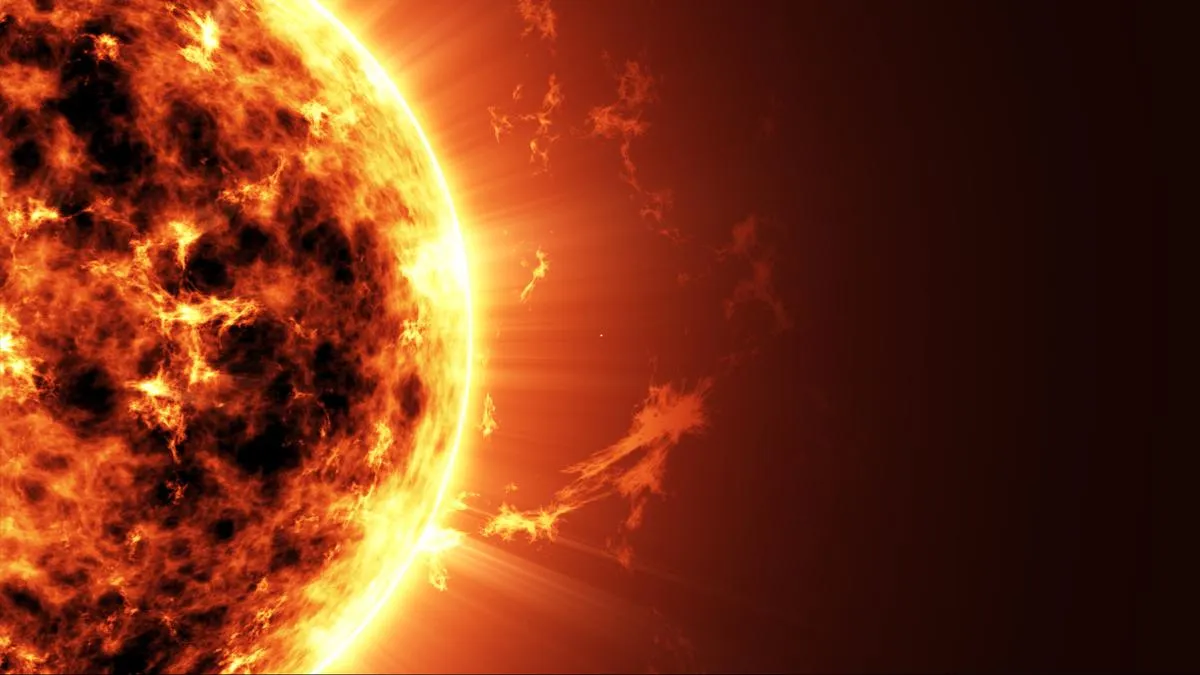
Representational image
| Photo Credit: Getty Images/iStockphoto
In a new study, scientists have found small, short-lived brightenings in the Sun’s atmosphere that appear in the hours before a major solar flare erupts and cluster around the very spot where the flare later occurs.
The study was carried out by researchers from the Manipal Centre for Natural Sciences and Manipal Academy of Higher Education, along with scientists from the Indian Space Research Organisation (ISRO), the Department of Space, and other academicians.
It used simultaneous ultraviolet (UV) and X-ray observations from three payloads onboard the Aditya-L1 mission.