Account subscription benefits alongside Premium Stories, Editorials,
Opinions and more. Unlock these with Subscription
The View From India
Looking at World Affairs from the Indian perspective.
First Day First Show
News and reviews from the world of cinema and streaming.
Today's Cache
Your download of the top 5 technology stories of the day.
Science For All
The weekly newsletter from science writers takes the jargon out of science and puts the fun in!
Data Point
Decoding the headlines with facts, figures, and numbers
THEdge
At the cutting edge of education and careers
Health Matters
Ramya Kannan writes to you on getting to good health, and staying there
Gender Agenda
Stories from beyond the binary.
The Hindu On Books
Books of the week, reviews, excerpts, new titles and features.
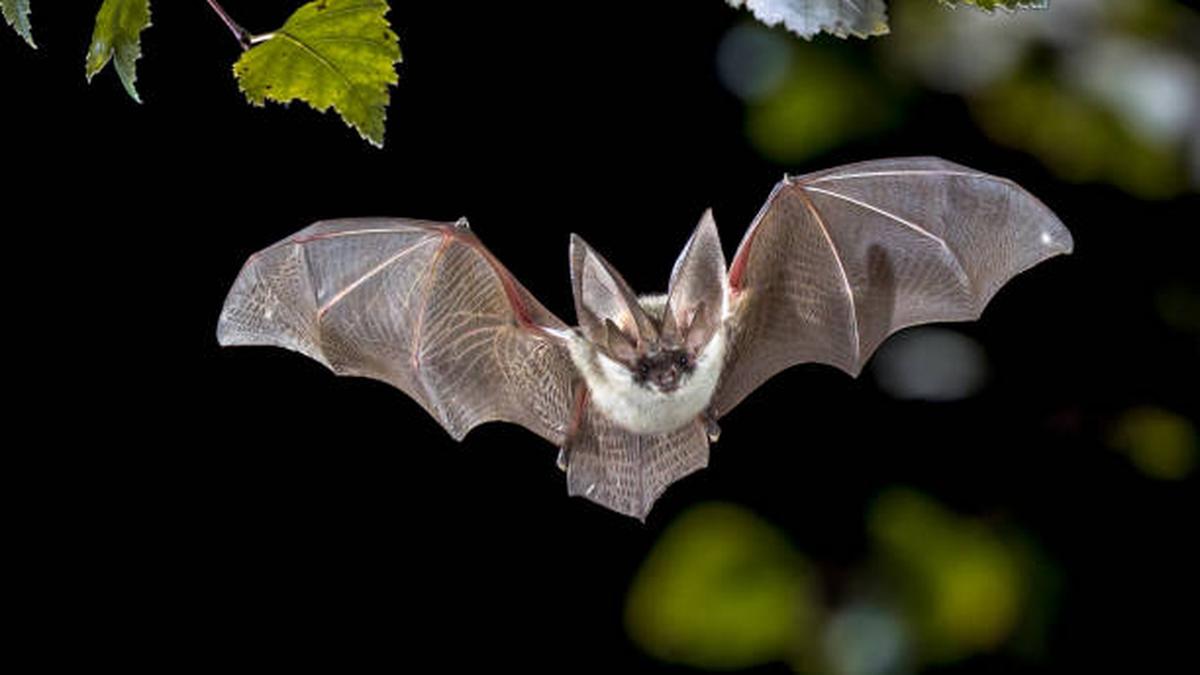
Unlike every single mammal in the world, bats possess two copies of genes that produce antibodies, a new study has found.
| Photo Credit: CreativeNature_nl
The world’s only winged mammals, nocturnal bats, of which there are some 1,500 species globally, have never quite got great press. Superstition has them down as bad omens. And science implicates them as the possible origins of the COVID 19 pandemic that killed seven million people globally, and in the outbreak of several other zoonotic diseases (that is, diseases that hop between animals and humans), including SARS (Severe Acute Respiratory Syndrome) in China, MERS (Middle East Respiratory Syndrome Coronavirus) in Saudi Arabia, Ebola in Africa, and Nipah in India.
So how do these animals, that have catalysed sweeping disease outbreaks among people around the world, not fall sick from the viruses they carry and transmit? Now a new paper in Science Advances untangles this conundrum.
Researchers studied the world’s largest family of bats, and found that they, unlike every single mammal in the world, possess two copies of genes that produce antibodies (proteins that help the immune system fend infections), and not just one.
“We’ve never seen anything like this in a mammal before,” said Hannah Frank, associate professor of ecology and evolutionary biology at Tulane University author of the study, in a release. This completely changes our understanding of mammalian immune systems "and raises exciting new questions about why bats have been so evolutionarily successful and how they respond to viruses,” he added.