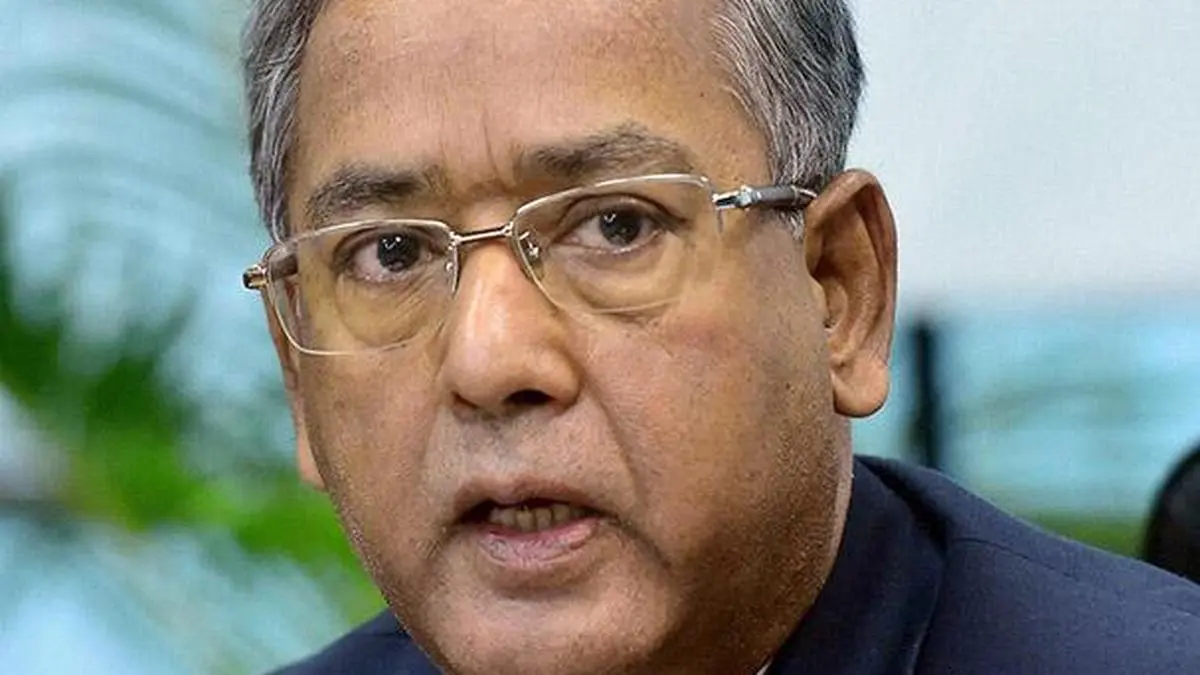
Former SEBI Chairman UK Sinha
| Photo Credit:
PTI
Former Securities and Exchange Board of India (SEBI) chairman UK Sinha said the market regulator could have been better prepared before rolling out the closing auction session (CAS), as the new market mechanism faces concerns over liquidity and sharp price swings.
“Better preparation, consultation, and beta testing were needed, but I am not worried. My sense is that it will stabilise,” Sinha told businessline in an interview.
The closing auction mechanism, introduced on August 3 for stocks in the futures and options (F&O) segment, changed the way their official closing prices are determined. Continuous trading in these stocks now ends at 3.15 pm, followed by an auction process to arrive at the closing price.
The regulator had issued two consultation papers on the proposal before finalising the framework in January this year. However, the exchanges conducted a CAS-specific mock trading session only on August 1, two days before the mechanism went live.
The CAS has come under scrutiny since implementation due to sharp swings during the auction period, including on last Thursday’s monthly derivatives expiry, when the Sensex saw an unusually large intra-session move during the closing process.
Market participants have raised concerns about liquidity and have written to the regulator with suggestions, including a rollback of the framework. Experts said similar vulnerabilities existed under the earlier VWAP methodology, although the auction mechanism makes such attempts at manipulation easier to identify.
“Perhaps there could have been wider preparation, but it will eventually stabilise. But if there is anybody trying to manipulate, their chances of getting caught are very high now,” Sinha said, adding that an active securities lending and borrowing mechanism would’ve made the transition smoother.
Last week, SEBI also acted against entities for alleged manipulation in the cash market by placing large orders during the auction to benefit from their derivatives expiry positions.
The experience has also brought into focus the disconnect between the size of the derivatives market and the underlying cash market. Large derivatives positions are settled based on prices discovered in a cash market with relatively smaller trading volumes, risking market stability.
SEBI had taken a series of steps over the past two years to curb excessive speculation in the derivatives space, including changes to contract sizes and incentives for deepening cash market volumes. Sinha backed the regulator’s approach, saying that trading in futures and options was inherently risky for individuals who may not fully understand leverage.
“An individual who is not an expert in the market and whose main profession is not investing, he may be a doctor, engineer, whatever he may be, he should not directly invest in the market,” Sinha said, adding that such investors should invest through an institutional investor.
He said investor suitability checks could help address these risks, as derivatives traders take leveraged positions and trade on margins.
Copyright© 2026, THG PUBLISHING PVT LTD. or its affiliated companies. All rights reserved.
Comments have to be in English, and in full sentences. They cannot be abusive or personal. Please abide by our community guidelines for posting your comments.
Source: Read the original article on www.thehindubusinessline.com