Fox News Flash top headlines are here. Check out what's clicking on FoxNews.com.
You buckle into the back seat of a Waymo, the doors close and there is nobody behind the wheel. For some riders, that empty driver's seat still takes a little getting used to. Then another thought creeps in. What happens if the Waymo computer doing all the driving suddenly fails?
Waymo has now given us its first detailed look at the powerful computing system hidden inside its driverless vehicles. The company describes a machine built to make decisions in milliseconds without waiting for the cloud or a remote human driver.
More importantly, Waymo says it built backups into the system because there is no person sitting up front who can grab the wheel. So, what actually happens when the electronic driver has a problem?
TERRIFIED PASSENGERS FILM WAYMO AUTONOMOUS VEHICLE DRIVING INTO LIVE FIREWORKS IN SAN FRANCISCO
Missed CyberGuy LIVE? Watch the Protect Your Money replay
Our free CyberGuy LIVE class, Protect Your Money From Today’s Biggest Threats, has ended, but you can still watch the full replay and download our financial protection checklist. Kurt "CyberGuy" Knutsson walks you through five simple ways to help defend yourself against AI scams, fraud, identity theft and financial hacks.
You’ll learn how to set up bank alerts, strengthen your account logins, protect your phone number, freeze your credit and help secure your retirement savings against unauthorized transfers. No technical experience is needed.
Get the free replay and checklist now at CyberGuyLive.com
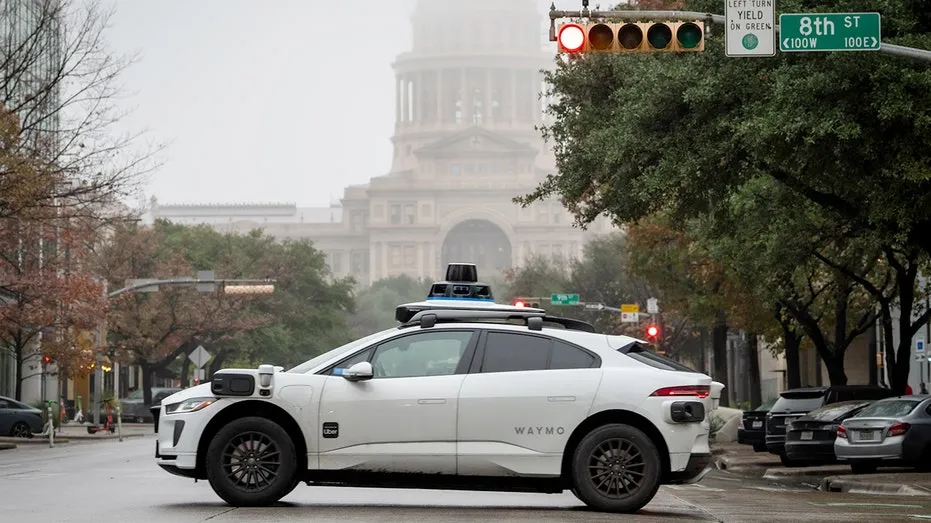
Waymo’s driverless vehicles rely on onboard computing to handle the full driving task, while passengers ride without a human behind the wheel. (Sara Diggins/The Austin American-Statesman via Getty Images)
Waymo says its newest computer system works somewhat like two independent engines. During normal driving, both computing systems can run full workloads in parallel. If one develops a fault, Waymo says the other can take over.
That gives the vehicle another electronic driver already onboard rather than forcing it to wait for someone miles away to intervene. Waymo's broader safety documentation goes further. The company says a secondary onboard computer can bring a vehicle to a safe stop if it detects a failure in the primary system. The vehicle also has backup braking and redundant steering hardware. Separate power sources support critical driving systems.
The priority in a serious failure is to keep the vehicle under control and reach a safe state. That could mean stopping rather than finishing your trip. For a rider, that is probably the most important part of Waymo's new disclosure.
A Waymo takes in a huge amount of information as it moves. Its cameras feed images into the onboard system. Lidar uses laser pulses to create a detailed picture of the vehicle's surroundings. Radar helps measure how far away objects are and how quickly they are moving. Waymo's latest sixth-generation sensor system uses 13 cameras along with lidar and radar sensors.
The computer then has to make sense of all that information fast enough to steer, brake or react to something entering the road. Waymo says those driving decisions happen entirely onboard. That point is important for anyone who has wondered whether a robotaxi needs to send everything to a giant data center before making a turn.