Account subscription benefits alongside Premium Stories, Editorials,
Opinions and more. Unlock these with Subscription
The View From India
Looking at World Affairs from the Indian perspective.
First Day First Show
News and reviews from the world of cinema and streaming.
Today's Cache
Your download of the top 5 technology stories of the day.
Science For All
The weekly newsletter from science writers takes the jargon out of science and puts the fun in!
Data Point
Decoding the headlines with facts, figures, and numbers
THEdge
At the cutting edge of education and careers
Health Matters
Ramya Kannan writes to you on getting to good health, and staying there
Gender Agenda
Stories from beyond the binary.
The Hindu On Books
Books of the week, reviews, excerpts, new titles and features.
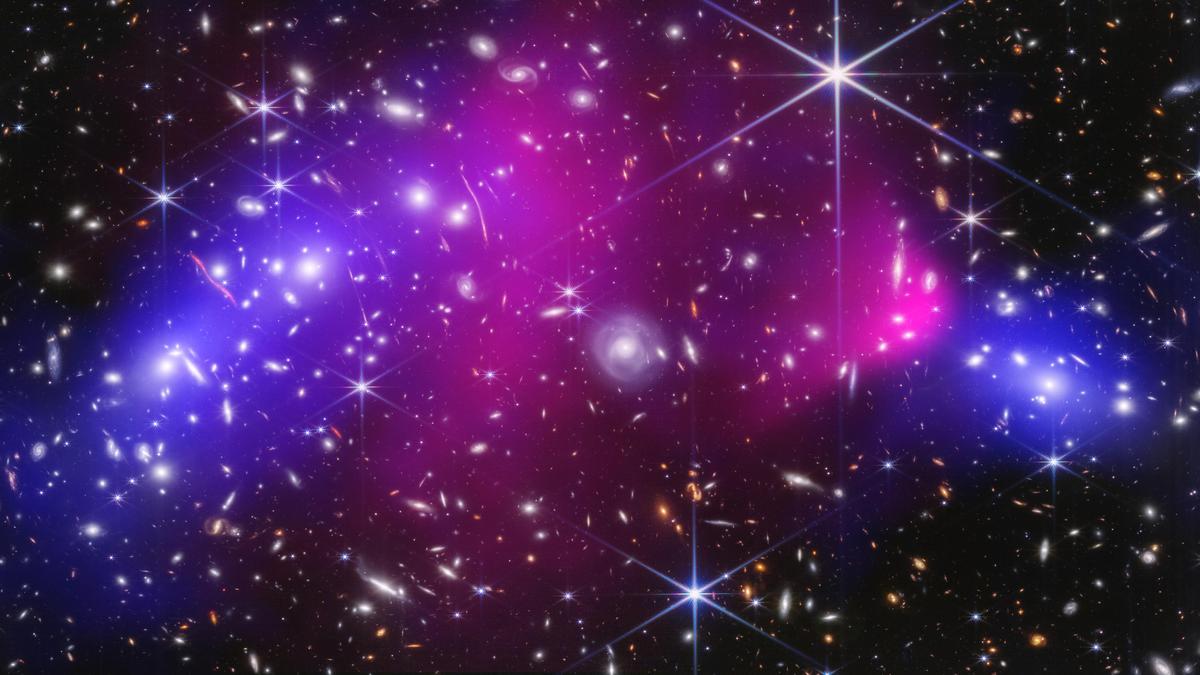
The astronomers spotted the object in question in the study from when the universe was just around 660 million years old. File. NASA via AP.
When the James Webb Space Telescope looks deep into the Universe, some of the objects it finds appear as small, red dots. Astronomers call them little red dots (LRDs), and they have become one of the telescope’s more intriguing discoveries.
Now, an international team of astronomers has found an unusual object that may help explain what at least some of these red dots actually are: unusually young and rapidly growing black holes surrounded by an enormous amount of dense gas.
The astronomers spotted the object in question in the study from when the universe was just around 660 million years old. Put another way, the light from this object has travelled for more than 13 billion years before reaching the earth, which the Webb telescope orbits.
The researchers’ observations suggest that almost all the light coming from the object is produced by a supermassive black hole. They were published in Nature on August 12.