Account subscription benefits alongside Premium Stories, Editorials,
Opinions and more. Unlock these with Subscription
The View From India
Looking at World Affairs from the Indian perspective.
First Day First Show
News and reviews from the world of cinema and streaming.
Today's Cache
Your download of the top 5 technology stories of the day.
Science For All
The weekly newsletter from science writers takes the jargon out of science and puts the fun in!
Data Point
Decoding the headlines with facts, figures, and numbers
THEdge
At the cutting edge of education and careers
Health Matters
Ramya Kannan writes to you on getting to good health, and staying there
Gender Agenda
Stories from beyond the binary.
The Hindu On Books
Books of the week, reviews, excerpts, new titles and features.
Updated – September 03, 2026 01:06 am IST – New Delhi
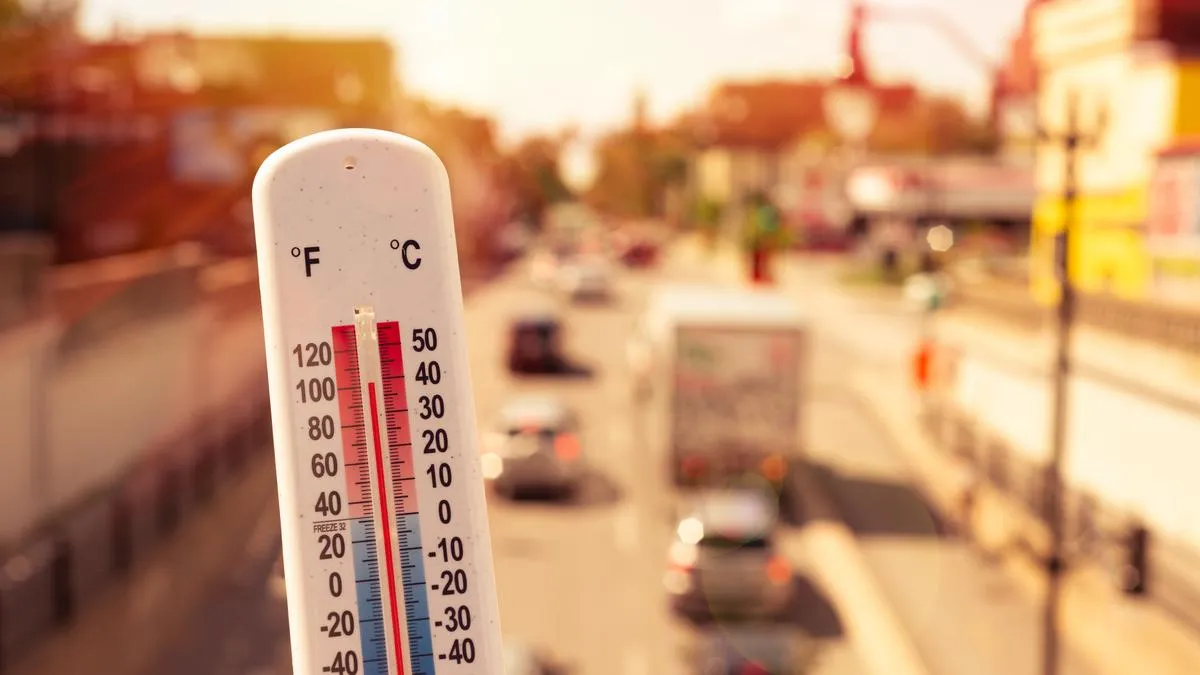
According to the report, current policies point to a rise of about 2.6°C by 2100, with a range of 1.9–3.6°C.
| Photo Credit: Getty Images/iStockphoto
While warning that breaching the 1.5°C global warming limit would bring irreversible losses that no adaptation initiatives could undo, the United Nations Environment Programme (UNEP) on Wednesday (September 2, 2026), for the first time, set out a detailed “overshoot, peak and decline” pathway.
This is a route under which the world overshoots the 2015 Paris Agreement’s central goal — limiting the rise in average global temperatures to 1.5°C above pre-industrial levels — which a UNEP report said was now unavoidable, but holds the peak as low as possible and then brings temperatures back down below the limit by the end of the century.
The report, Limiting Overshoot, released in Nairobi, said global warming would cross 1.5°C “in the next few years”. Even a scenario in which every country delivers on its national climate plan and net-zero target puts peak warming at 1.8°C, it said. According to the report, current policies point to a rise of about 2.6°C by 2100, with a range of 1.9–3.6°C. The pathway, the report said, "is by no means an acceptable or preferred pathway; it is simply the best remaining option."