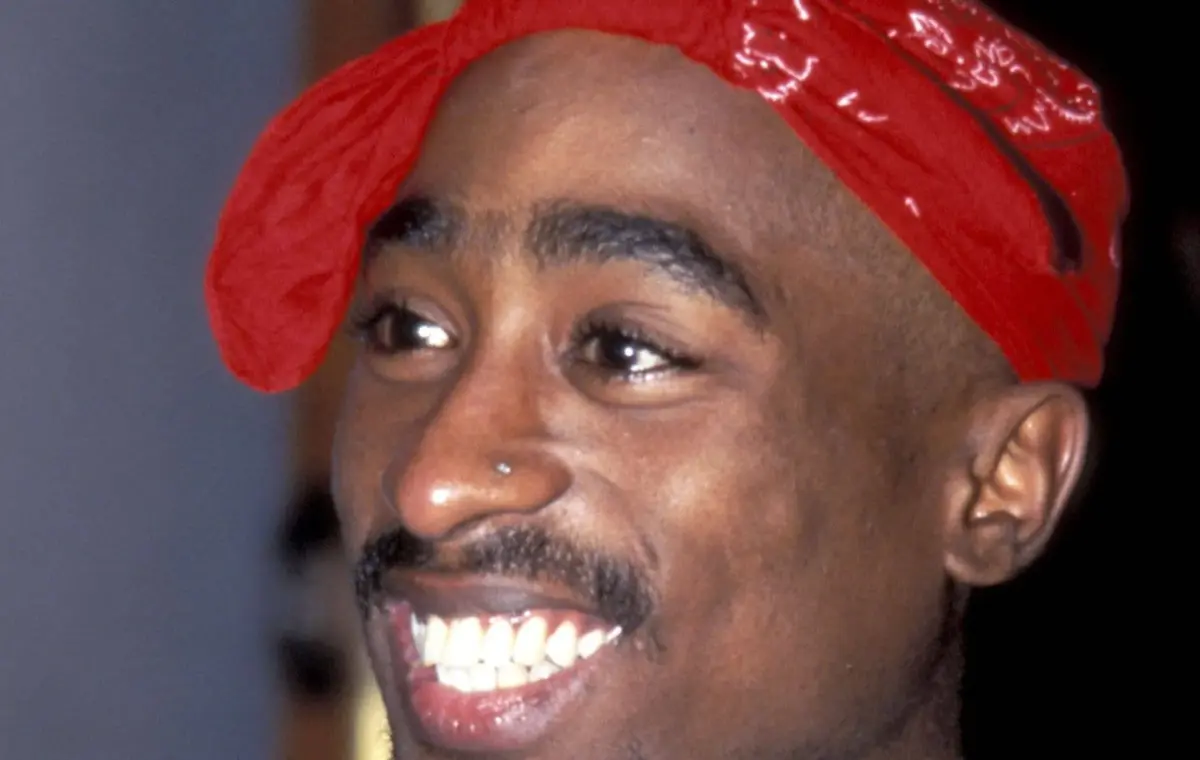
Nearly 30 years after Tupac Shakur was gunned down on a Las Vegas street, a jury has found former gang leader Duane Keith Davis guilty of his murder.
The verdict brings a dramatic conclusion to one of the most infamous unsolved killings in music history, almost three decades after Tupac died aged just 25.
Davis, 63, also known as "Keffe D," was accused of orchestrating the September 7, 1996 attack, although prosecutors did not allege that he personally fired the shots that killed the rapper.
Instead, they argued that Davis helped plan the retaliatory shooting and provided the gun used in the attack. The verdict follows a weeks-long trial in Las Vegas during which prosecutors called 25 witnesses and played hours of recordings in which Davis had discussed the events surrounding Tupac's death.
For the rapper's family, it represents an answer they have waited decades to receive. "We've been waiting 30 years to grieve properly," Tupac's cousin Zayd Akinyela told reporters while the trial was underway. "A lot of people don't get to grieve until they understand what happened to their loved one and how it happened."
Tupac had been in Las Vegas with Death Row Records co-founder Marion "Suge" Knight on September 7, 1996, to watch Mike Tyson fight Bruce Seldon at the MGM Grand.
After the fight, Tupac and members of his entourage became involved in an altercation with Orlando "Baby Lane" Anderson, Davis' nephew and a member of the rival South Side Compton Crips.
Later that night, Tupac was riding in a black BMW driven by Knight as the pair headed towards an after-party. While they were stopped at a red light near the Las Vegas Strip, a white Cadillac pulled alongside them and someone inside opened fire.
Tupac was struck four times. He was rushed to hospital, where he remained for six days before dying from his injuries on September 13, 1996. Anderson, who had long been linked to the investigation but denied involvement, was killed in an unrelated shooting in 1998.
For decades, Tupac's murder remained officially unsolved. Davis would ultimately provide investigators with some of the most important evidence against him through a series of interviews and his own memoir.
In his 2019 book, Compton Street Legend, Davis placed himself inside the Cadillac used in the shooting and described the events leading up to Tupac's death.
He claimed the earlier attack on his nephew provided the motivation for retaliation and wrote: "Pac chose the wrong game to play."
Davis also claimed that he brought a .40-caliber Glock with him that night. Prosecutors presented eight hours of recordings from four separate occasions during the trial, allowing jurors to hear Davis discussing the killing in his own words.
His defense attorney Michael Sanft argued that Davis' accounts had been exaggerated and embellished in an attempt to profit from the enduring fascination surrounding Tupac's death.
Prosecutors, however, argued that the consistency and detail of his statements helped establish his role in the crime. Clark County District Attorney Marc DiGiacomo acknowledged the unusual circumstances surrounding the eventual prosecution. "Had he decided to never write the book," he said during the trial, Davis would "probably" never have been prosecuted.