Account subscription benefits alongside Premium Stories, Editorials,
Opinions and more. Unlock these with Subscription
The View From India
Looking at World Affairs from the Indian perspective.
First Day First Show
News and reviews from the world of cinema and streaming.
Today's Cache
Your download of the top 5 technology stories of the day.
Science For All
The weekly newsletter from science writers takes the jargon out of science and puts the fun in!
Data Point
Decoding the headlines with facts, figures, and numbers
THEdge
At the cutting edge of education and careers
Health Matters
Ramya Kannan writes to you on getting to good health, and staying there
Gender Agenda
Stories from beyond the binary.
The Hindu On Books
Books of the week, reviews, excerpts, new titles and features.
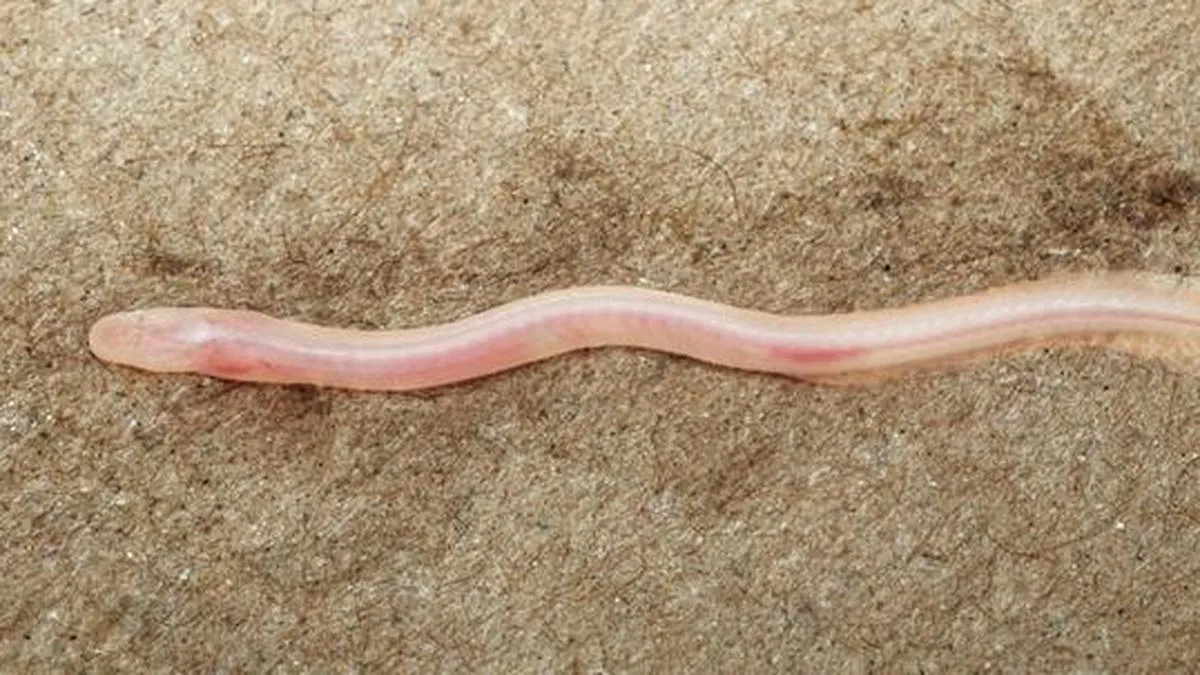
Gangaichthys indonepalicus, the newly discovered species
In 2024 a short video clip circulated on TikTok showed an unknown, tiny, colourless creature emerge from a borewell near the border between India and Nepal, beneath the Indo-Gangetic plain. Scientists soon began studying this first recorded subterranean eel-like fish in the Gangetic Basin and named it Gangaichthys indonepalicus.
“Gangaichthys” means “fish of the Ganga” while “indonepalicus” connotes the species’ geographical distribution. The new species was reported in the journal ZooKeys. No more than 4 cm in length, these fish are have clearly evolved to survive in complete darkness: their eyes are covered by skin and their bodies are translucent.
But studying the new species was no easy task. The international team of scientists had to manually pump thousands of litres of groundwater in Bihar to collect three specimens. The first individual was caught after the researchers pumped 2,000 litres of water from borewells (a machine-drilled shaft used to access water from underground aquifers), but it succumbed to injuries. Then, after pumping 500 more litres of water, a second live specimen emerged.
For the study, the scientists sampled more than 15 borewells which they pumped by hand; they were able to collect three specimens of the new species from two borewells.