NBC Selected independently determines what we cover and recommend. When you click on or buy through our links, we earn a commission. Learn more.
We don’t always have the answers, but we have some people on speed dial who do — which is why we present to you our series FYI where we have experts explain if hair removal cream is actually bad, how often you should change your towels and more.
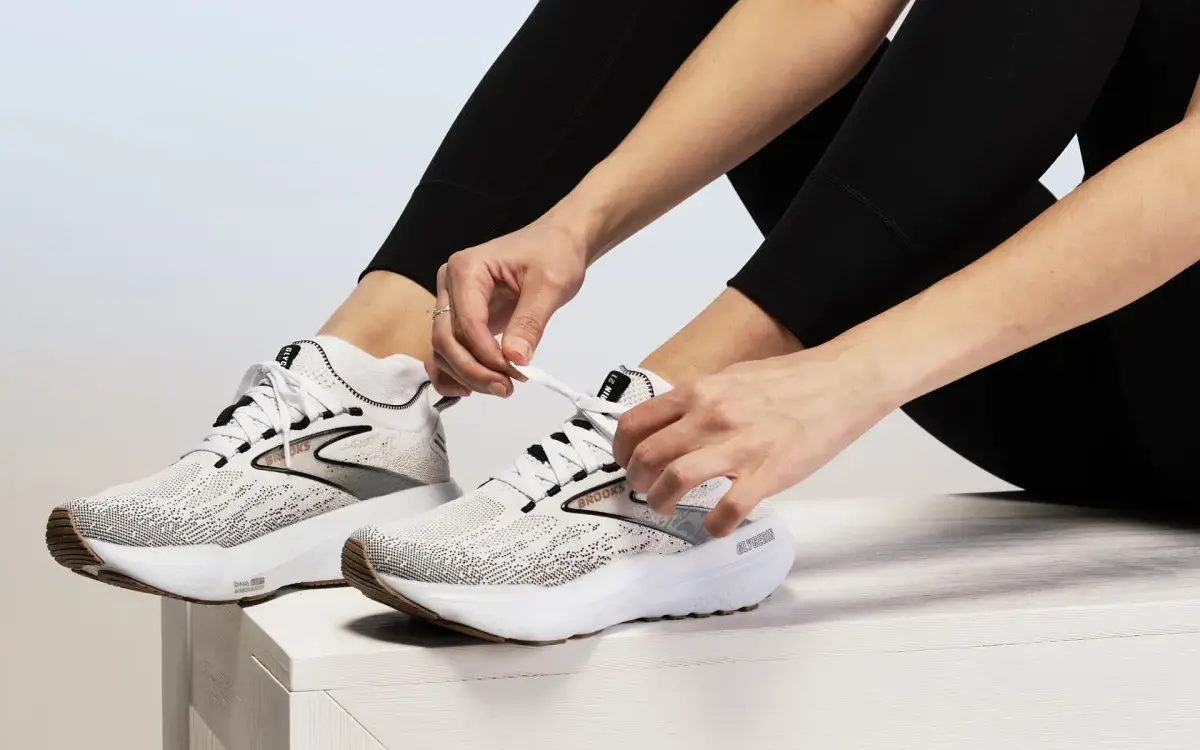
Running shoes don’t last forever, even if they still look fine from the outside. Over time, the cushioning and support inside break down and running in shoes that have lost their structure can leave your feet, knees and joints unsupported, making you more prone to aches, pains and even injuries.
The tricky part is that this breakdown happens gradually, so it’s easy to keep running in shoes that have quietly stopped doing their job. To find out exactly when it’s time to retire your running shoes — and what to watch for before your body starts sending its own warning signals — I talked to doctors who explained how mileage and body type factor into the equation. I’ve also rounded up some podiatrist- and editor-approved running shoes worth adding to your cart if you find that it’s time for a fresh pair.
Most doctors say mileage is the clearest benchmark for retiring your running shoes. “In general, a running shoe should last somewhere between 300 and 500 miles,” says Dr. Dietmar Walter, head of podiatry at Stride Soles, a custom orthotics company. “However, the exact length depends on your weight, running surface and of course the shoe type.”
Treadmills tend to be gentler on shoes, while consistently running on pavement or concrete can wear down cushioning a bit faster, since there’s less natural give to absorb the impact.
Body weight in particular can make a dramatic difference in how quickly a shoe wears out. “I see many patients over 200 pounds only last 200 miles in their shoes, while someone under 140 pounds might last over 550 miles,” says Walter. That’s a gap of more than 350 miles between the two groups, underscoring why there’s no single mileage number that works for every runner — and why paying attention to how your shoes feel matters just as much as counting miles.
Mileage is a helpful guideline, but your body often sends signals before you hit a specific number. “A good sign that your shoes need replacing is if you are starting to get unexpected aches and pains — like achilles tendonitis, shin splints or plantar fascia pain,” says Dr. Milica McDowell, a doctor of physical therapy and co-author of Walk: Rediscover the Most Natural Way to Boost Your Health and Longevity ― One Step at a Time. If new discomfort starts creeping in during or after your runs, it’s worth taking a closer look at your shoes before the problem gets worse.
Walter also says you can examine your shoe to look for signs of excessive wear. These are the things he says point to your shoes needing to be replaced:
If it is time to replace your running shoes, Walter recommends a few of his favorites below. I also included running sneakers that NBC Selected editors swear by. They each have at least a four-star average rating from 100 customers or more.
Walter recommends this shoe for its plush, responsive foam cushioning and structural support rods that guide a smooth transition from heel to toe. The breathable mesh upper offers a comfortable, snug fit, while the durable rubber outsole delivers reliable traction — making it a solid, everyday pick for runners logging daily miles. Walter does note that it’s not the softest landing, but says that firmness is what keeps it working well after hundreds of miles. This shoe is also available for men.
These shoes, which are available for men or women, come recommended by Walter because they have a 3.5 millimeter of outsole rubber, while the average shoe has 3.1. “If you are someone running outside in variable concrete city blocks, this will make a difference over the long run,” he says. These running shoes also offer a soft, cushioned ride with a supportive, breathable knit upper designed to lock the foot in place. They also have a durable rubber outsole that delivers reliable traction on the road.
The shoes have been given theAmerican Podiatric Medical Association (APMA) Seal of Acceptance, which is awarded to shoes that promote good foot health.
This style is also available for men and women and has a highly-cushioned sole to support you as you run. “The cushioning keeps my feet incredibly comfortable, and while it’s on the softer side, I never feel like I’m sinking into it,” says NBC Selected reporter Zoe Malin, who has worn these for both shorter jogs and longer runs. “The shoes have a bouncy feel and a gentle rocker-shaped outsole for smooth heel-toe transitions.” These sneakers have a breathable mesh upper and a grippy sole for traction.
I’ve run three half marathons in these sneakers and have been wildly impressed by how they hold up. As a plus size runner, support is key and these have held up as I’ve logged lots of miles. I also have flat feet and find that these have the perfect amount of arch support for me. The sneakers, which are also available for men, have a padded tongue and collar for comfort and are on the wider side.