Scientists turned cockroaches into tiny rescue machines
When you purchase through links on our site, we may earn an affiliate commission. Here’s how it works.
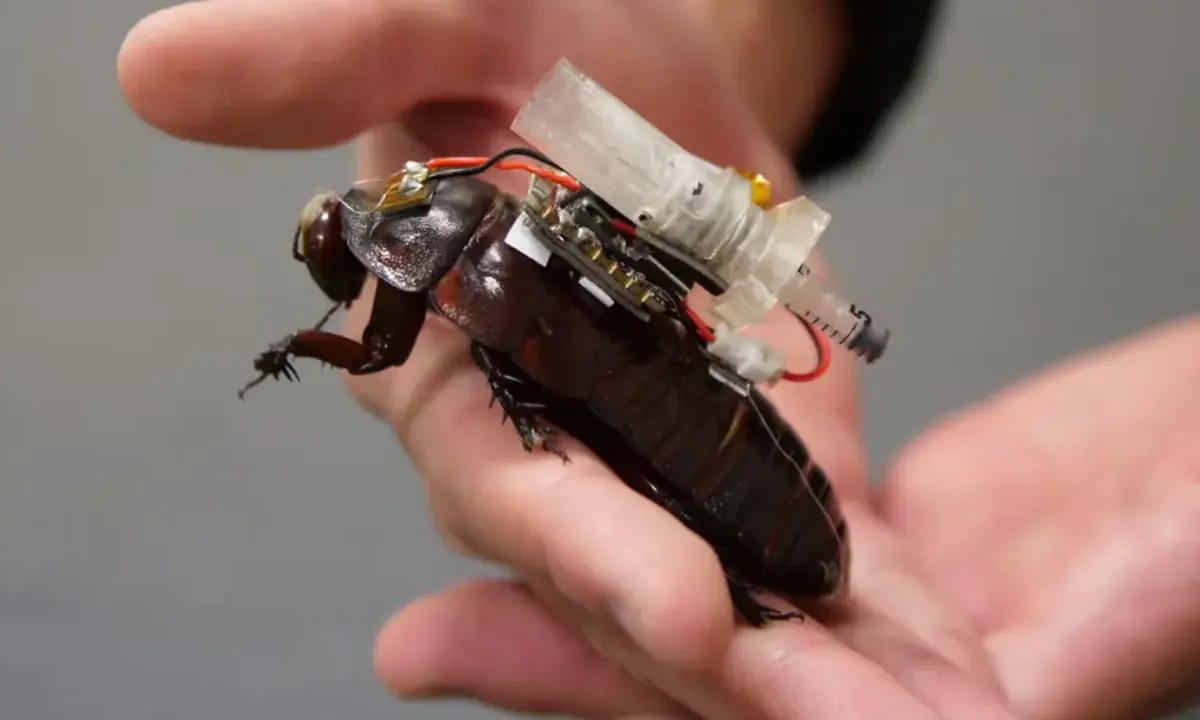
Engineers in Australia have built small robotic systems around live cockroaches, equipping them with cameras and injectors to reach disaster survivors.
Researchers from the University of Queensland and the University of New South Wales (UNSW) collaborated on the project.
The project combined insect biology with lightweight electronics built specifically for collapsed structures.
Cockroaches were fitted with electrode harnesses and tiny devices while sedated, and they survived the process without apparent harm.
“Augmenting their natural biomechanics could allow these cyborg insects to deliver timely emergency assistance when direct access to people trapped in narrow, debris-filled spaces isn’t possible,” said Thang Vo-Doan, biorobotics engineer at the University of Queensland.
In controlled trials, the machines guided themselves toward a designated point and completed close-range delivery with a 95% success rate.
When the full sequence of movement, alignment and injection was measured together, the success rate dropped to 72% across all trials.
Sign up to the TechRadar Pro newsletter to get all the top news, opinion, features and guidance your business needs to succeed!
PhD candidate Hai Nhan Le explained that steady, accurate movement toward a person in need remained one of the toughest engineering hurdles.
"The cyborg insect has to navigate to the target, position itself accurately and remain stable enough to perform the injection," said Hai Nhan Le, PhD candidate at the University of Queensland.
A separate concern raised by Le involves public reaction, since many people recoil at the idea of a large insect approaching them for help.
"A lot of people might not like the sight of a giant cockroach scurrying towards them, but if you're trapped in rubble or stuck in a cave and need help, it could make a real difference between life and death," Le added.
Fire and Rescue NSW superintendent Tim Hassiotis said the innovation might extend how far response teams can operate during emergencies.