Everything is expensive: the energy price cap has risen (again), water companies have been given the go ahead to increase bills and now, it seems our food shop is set to go up even more, too.
This year’s summer of intense heat and very little rainfall has resulted in much of England and all of Wales being declared in drought.
Rivers and reservoirs are running very low, farmers are having to harvest crops early, wildfire risk is extremely high and millions of people are living under restrictions on water use.
To try and understand how exactly the average person’s food shop might change in the coming months, we spoke to the UK Food Council about which foods are most likely to see price rises.
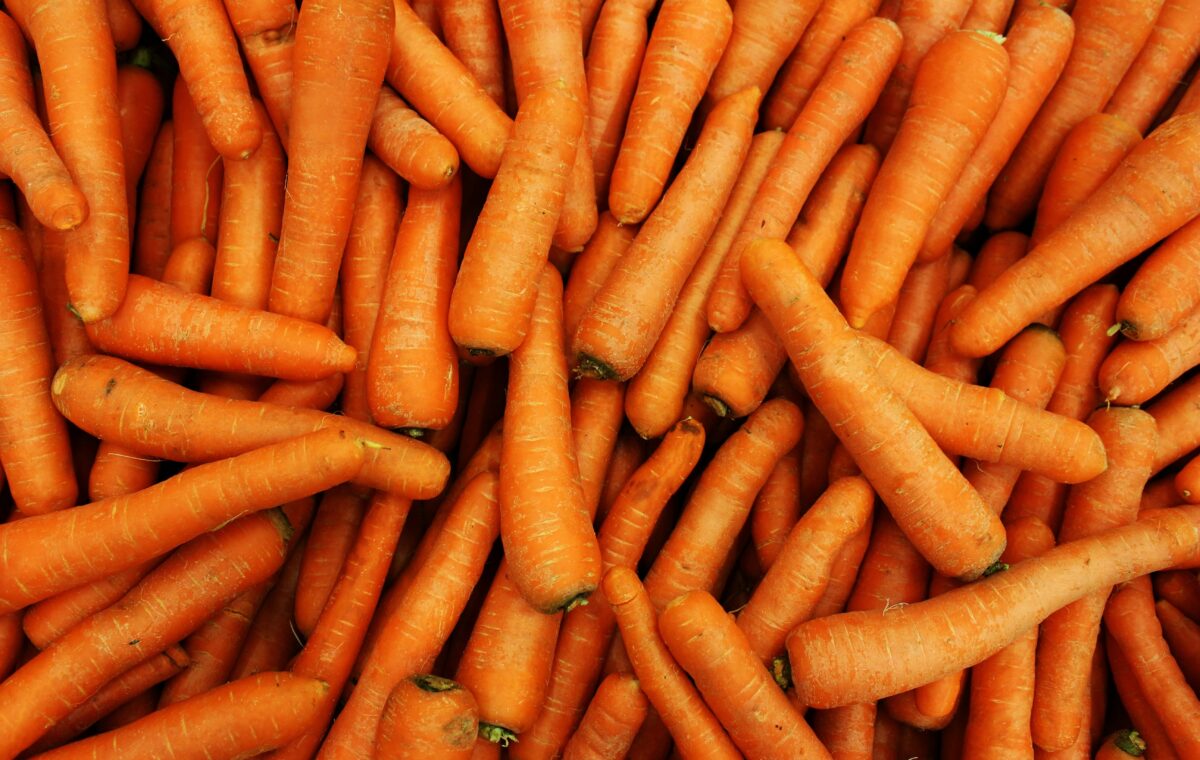
The Food Council’s spokesperson said: “The foods most exposed to price rises are field vegetables and roots – carrots, onions and potatoes have borne the brunt of dry, shrinking soils.”
As a result, shoppers are more likely to notice smaller produce and modest price rises.
The Food and Drink Federation noted that “heat and drought have accelerated crop development, bringing harvests forward but reducing both yields and grain quality”.
On top of that, reduced grass growth has meant farmers are having to increasingly rely on supplementary feed for livestock.
Greater demand for animal feed, in addition to reduced yields, are pushing up the cost of animal feed.
This can then feed through into meat and egg prices over the coming months, noted the Food Council.
Dairy is also under pressure as a result of the aforementioned issues. Not only that, but “heat-stressed cows produced less milk over the summer”, said the Food Council’s spokesperson.
Shoppers can expect to see some food inflation in the next few months, but it’s unlikely there’ll be empty shelves or major shortages.
Dr Liliana Danila, chief economist at The Food and Drink Federation (FDF), said that while the UK’s food and drink manufacturers “work hard to absorb costs”, they are “already grappling with rising costs as a result of war in Ukraine and in Iran”.
She expects these pressures will be reflected in retail prices into next year.
As for whether empty shelves could become the norm, the Food Council’s spokesperson noted it’s not expected right now. “The more likely outcome is ‘shrinkflation’ – produce that’s smaller and a bit pricier rather than absent, with retailers filling gaps from alternative suppliers,” they explained.
Source: Read the original article on www.huffingtonpost.co.uk