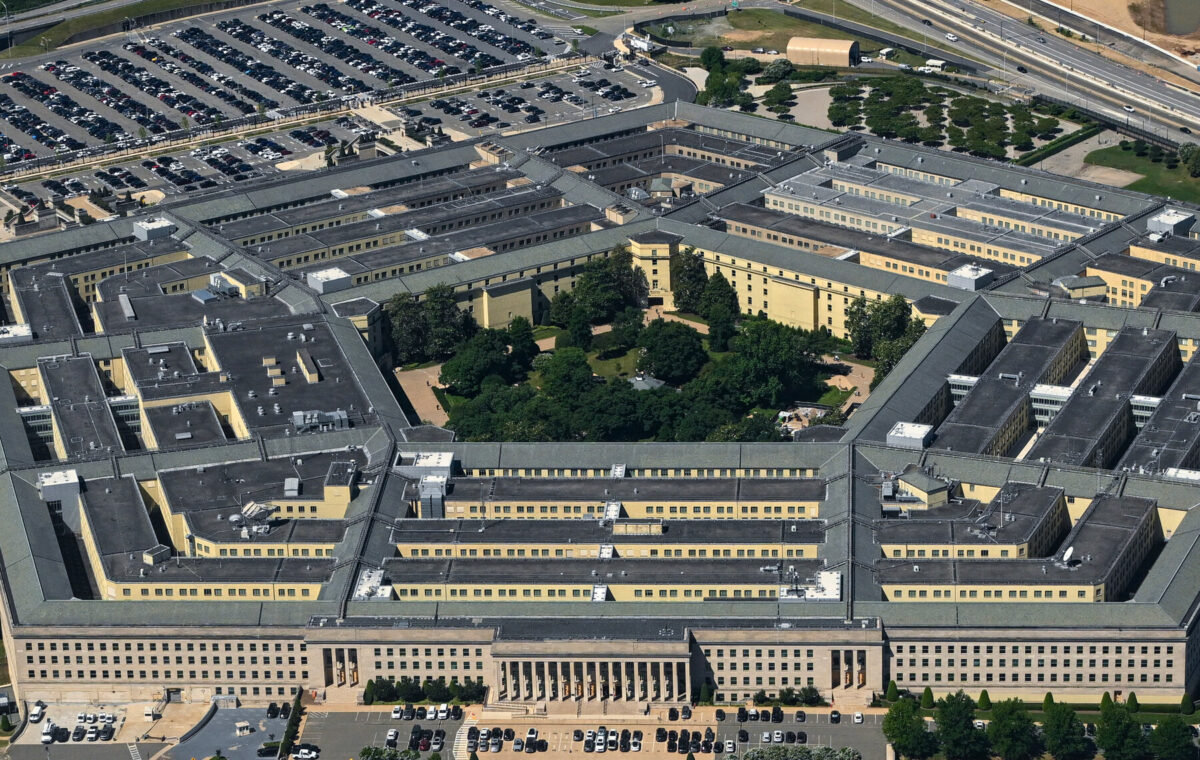
The administration is veering wildly in its response to the national security implications of A.I. as China, America’s main technological and military rival, charges ahead.
By David E. SangerDustin VolzAna Swanson and Julian E. Barnes
The reporters have covered the Trump administration’s monthslong disputes with Anthropic and efforts in Washington to grapple with national and economic security issues posed by artificial intelligence.
In mid-July, many of the country’s biggest military contractors received a letter from the Air Force with a stern warning: By Sept. 1, all the software they use for weapons and control systems must be free of products built by the A.I. company Anthropic. Failure to comply would put all their business with the Pentagon at risk.
Within a month, those same contractors received an unexpected reversal: They could — for now — disregard the earlier instructions about purging Anthropic.
It was one more example of the chaos and contradictions in the tsunami of A.I. disruptions that have swept through the national security establishment in recent months. Agencies like the Pentagon, which still use airplanes designed in the 1950s, are struggling furiously to keep up with A.I. models whose powers multiply in a matter of months.
The tension has been magnified in the case of Anthropic, whose chief executive, Dario Amodei, has been locked in a public feud with Defense Secretary Pete Hegseth over restrictions the company tried to put on the technology’s use by the world’s most powerful military.
Without Anthropic’s powerful Mythos model, it would be far more difficult for the National Security Agency to find and patch vulnerabilities in the Pentagon’s own systems, senior N.S.A. officials argued. And it turned out that, despite the original Anthropic ban, the N.S.A. was still allowed to use its products.
Critical tests were underway using Mythos to gauge its potential to hack into highly protected foreign networks, current and former officials said. Shutting down the use of Mythos, an A.I. model whose potential for conducting offensive cyberoperations is already shifting the digital arms race into overdrive, would have amounted to “unilateral disarmament,” according to one recently departed senior U.S. official.
We are having trouble retrieving the article content.
Please enable JavaScript in your browser settings.
Thank you for your patience while we verify access.