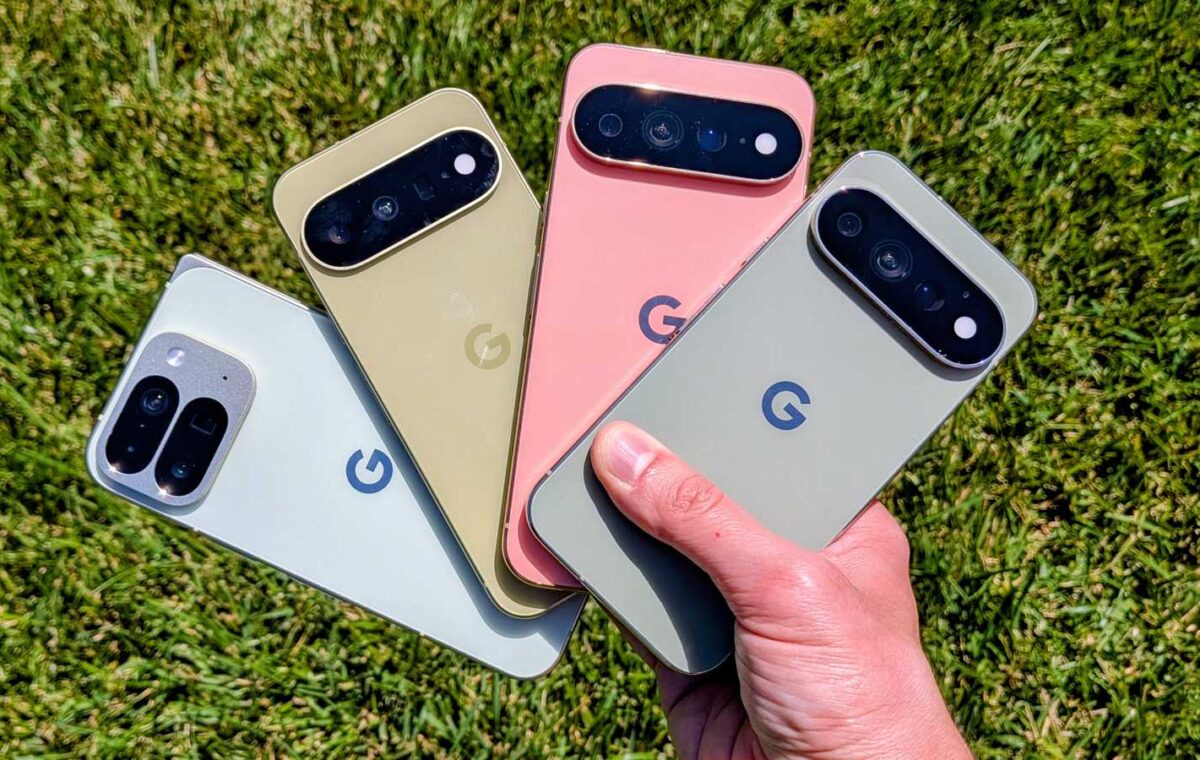
After a week of using Google’s new Pixel 11 phones, two seemingly at-odds realities are crystal clear in my mind:
Interestingly enough, these two realities manage to exist harmoniously — because they’re both very much accurate and very much true.
The real question, then, becomes what all of that means for you as a productivity-minded, tech-dependent professional — and if these shiny new Pixels are advisable for you to think about buying.
The answer, believe it or not, is actually quite simple.
[Got a Pixel? Any Pixel? Check out my free Pixel Academy e-course to find all sorts of advanced intelligence lurking within your current phone!]
First things first, let me tell you a little bit about my past week’s adventures.
Last Wednesday — the same day Google awkwardly launched its latest-gen Pixel 11, Pixel 11 Pro, and Pixel 11 Pro Fold (gesundheit!) phones in an elaborate evening event several hours after an extensive blog-based announcement — I received a box of loaner review units for all those shiny new models.
I’ve spent the past year or so living with my own personal Pixel 10 Pro, and I’ve personally owned and used almost all of the flagship-caliber Pixels (in one form or another) before that. Even with the iterations I haven’t personally owned, like last year’s Pixel 10 Pro Fold, I’ve spent plenty of time toting ’em around and getting to know ’em — and I’ve taken detours to explore most flagship-level Android gadget releases from other manufacturers along the way as well.
So when I moved myself into these latest Pixels and started carrying ’em in place of my now-standard 10 Pro device, I have all the perspective in the world to tell you that:
And that’s to say nothing, of course, of the Pixel’s unmatched software support policy. The Pixel is the only Android device where timely and reliable software updates — both major Android releases and the many smaller rollouts that now accompany those throughout the year — are an unambiguous part of the core product promise. With any Pixel phone, you’ll receive every software update within days of its release. No other device-maker even comes close to matching that guarantee, and for anyone who cares at all about maintaining optimal privacy and security practices on your phone over time, that’s a distinction you simply can’t ignore.
So that’s the first part of the Pixel 11 paradox — and that’s why these latest Pixels are all incredibly easy to recommend as the best all-around Android experiences available today and the only sensible suggestions for a top-tier Android purchase in 2026.
But there’s another half of the story, and it’s equally important.
Plain and simple, the most striking thing about these latest Pixels is how similar they are to their previous-gen Pixel 10 equivalents.
Now, don’t get me wrong: On paper, these latest Pixels are packin’ plenty of pertinent improvements. They’ve got new extra-efficient processors, brighter and supposedly more scratch-resistant displays, faster charging speeds, some new and improved camera components, and a thinner camera bar on the back. The Fold model is also ever-so-slightly thinner and lighter than its predecessor, by 0.7mm when folded (0.02″ — roughly half the thickness of a US dime) and 19g (roughly two-thirds of an ounce — the equivalent weight of three #2 pencils).
Speaking of the Fold, the 11 Pro Fold model is a true treat to use, and I still love its more familiar-phone-like form compared to the shorter and squatter, square-ish shape Samsung is now adopting ahead of Apple’s expected move in that same direction. The Pixel Fold’s dimensions allow you to feel like you’re using a regular phone most of the time, without much compromise or awkwardly limited screen space, and then enjoy that glorious tablet-like screen on the inside whenever you feel like unfolding it.