Account subscription benefits alongside Premium Stories, Editorials,
Opinions and more. Unlock these with Subscription
The View From India
Looking at World Affairs from the Indian perspective.
First Day First Show
News and reviews from the world of cinema and streaming.
Today's Cache
Your download of the top 5 technology stories of the day.
Science For All
The weekly newsletter from science writers takes the jargon out of science and puts the fun in!
Data Point
Decoding the headlines with facts, figures, and numbers
THEdge
At the cutting edge of education and careers
Health Matters
Ramya Kannan writes to you on getting to good health, and staying there
Gender Agenda
Stories from beyond the binary.
The Hindu On Books
Books of the week, reviews, excerpts, new titles and features.
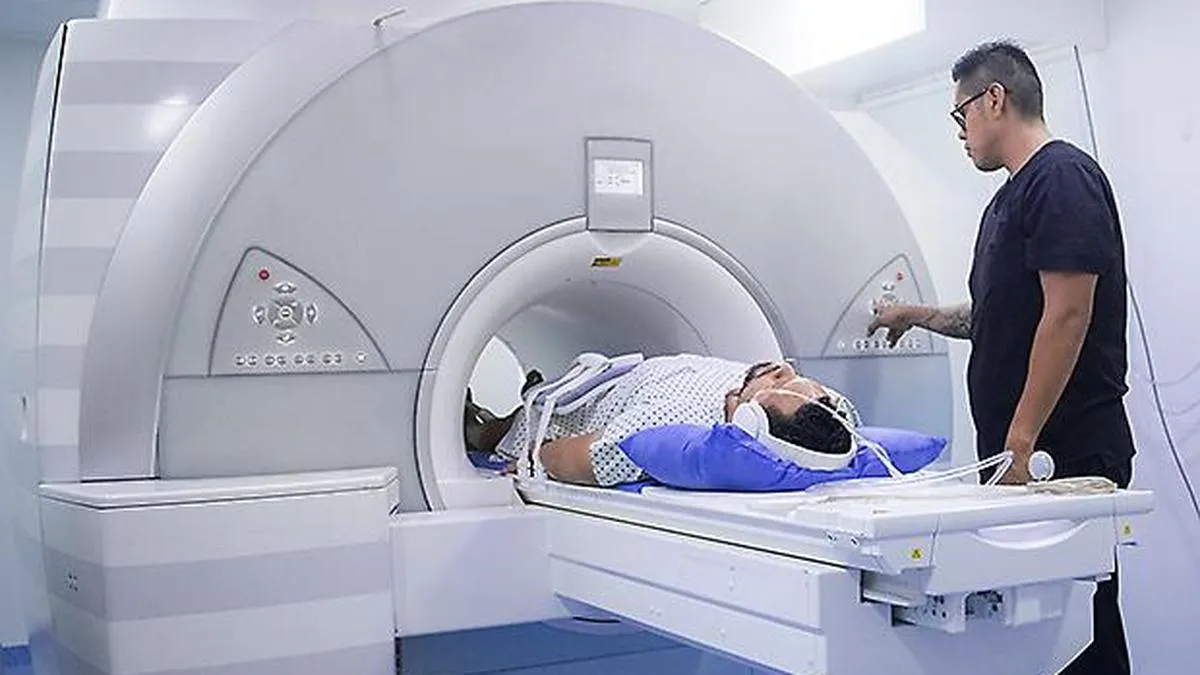
Routine imaging for uncomplicated low back pain, especially in the absence of any warning signs of a serious underlying condition is not recommended by international guidelines. Image used for representational purposes only
| Photo Credit: Getty Images
Back pain has a habit of making us fear the worst. An abrupt spasm after hoisting something heavy, pain radiating down the leg or an ache that won’t go away can lead quickly to one question: should I get an MRI?
In reality, most cases of acute low back pain get better without an MRI, a CT scan or even an X-ray. Routine imaging for uncomplicated low back pain, especially in the absence of any warning signs of a serious underlying condition is not recommended by international guidelines.
An MRI is a great diagnostic tool, but more imaging isn’t necessarily better care. Spine scans can show us age-related changes such as disc bulges, disc degeneration and arthritic changes that may have nothing to do with the pain that a person is experiencing.
Sometimes these incidental findings can cause unnecessary anxiety in patients who may believe that their spine is ‘damaged’ when in fact, the finding may simply be a normal part of ageing. Imaging that does not change treatment can therefore add cost, worry and sometimes unnecessary interventions.