Don't assume the multi-point inspection of your car helps you in a real way that isn't for the dealer. Sometimes they're just looking for easy ways to sell you more services you can do at home for much less. You pay a bit more upfront for the equipment, but you don't need to be a professional to take care of your vehicle. You can do plenty at home for cheap.
When you get an oil change, the mechanic tends to try to show you a dirty cabin air filter as if it is the end of the world. There are two things to this: depending on your filter, a gray color is normal, and I even buy charcoal-infused filters because they're better. However, even if you do need to change a filter, you don't need a mechanic to do it.
Tip: For anything you buy, Amazon lets you enter your vehicle information and tells you whether a part fits, so it's easier than you think.
You can get an engine air filter for about $20 and a cabin air filter for about $10.
Your cabin air filter is built into the HVAC blower motor housing and is usually tucked behind the glove box on the passenger side. Gemini could explain it, but there are plenty of videos on how to remove it easily.
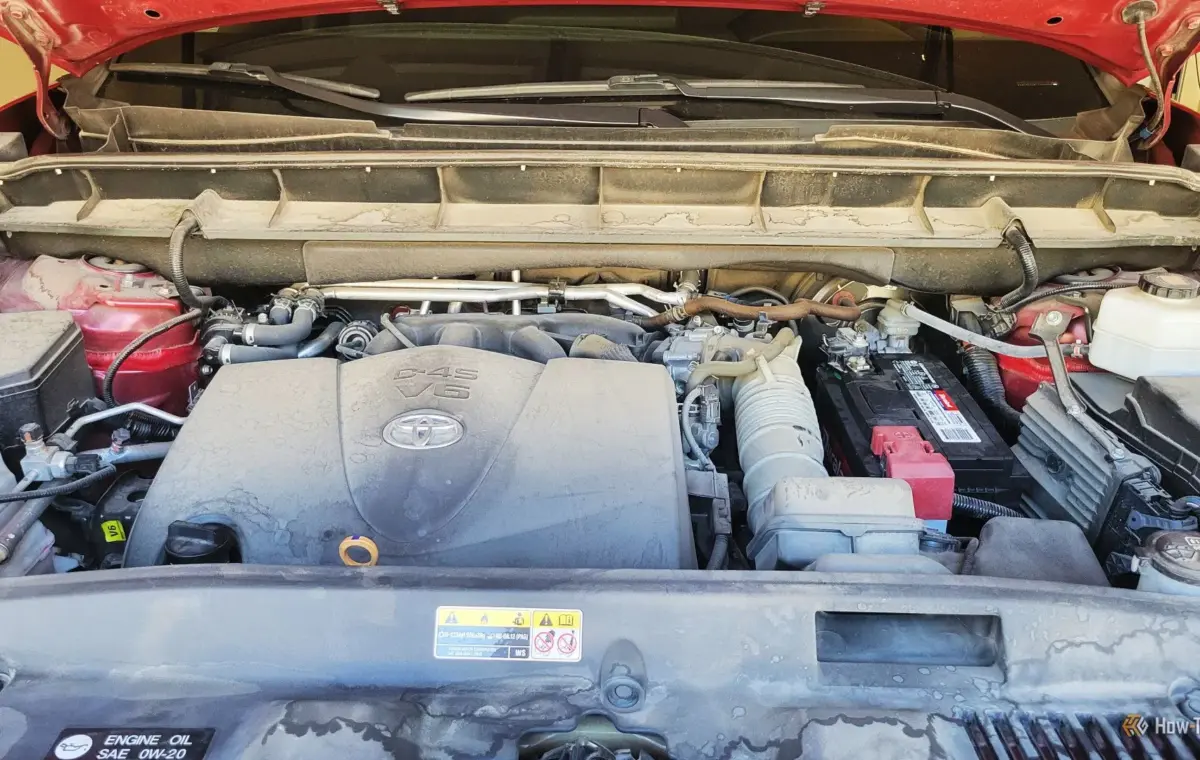
The engine filter sits in a plastic housing under your hood. Find the big plastic airbox near the front, and unclip the metal clips or unscrew the fasteners holding the lid on. Lift the top just enough to remove the filter, then replace it; it is that simple.
Do not make the mistake of letting a dealership or mechanic replace your wiper blades unless it is completely free. You can get a really good pair for $40 on Amazon, which is likely less than what you'd be charged for the mechanic's time to install them.
All you have to do is lift the metal wiper arm away from the glass, turn the blade sideways to form a T-shape, release the locking tab, or push the old blade down toward the arm to slide it off the J-hook. Then, slide the new blade onto the hook until it clicks. It takes about five minutes the first time because you should go slow to get used to it, but the next time will take less than two minutes. Watch them too, because they can leave worse streaks.
This isn't universal; make sure you get the one that fits your car. You could do damage if you try to force this, but many retailers will ask about the car before they sell you the part.
I normally get this done for free at Jiffy Lube, but plenty of places will charge you for it. Topping off your fluids is so very simple that anyone can do it. It may be expensive at first because the fluids come in big containers, but you save a lot of money over time.
Tip: Always clean around your cap to keep dirt out.
Windshield washer fluid is probably the easiest fluid to monitor and refill yourself. The reservoir is a translucent plastic tank under the hood, usually marked with a washer symbol and sealed with a simple plastic snap cap. Pour winter- or summer-rated washer solvent straight into the neck until it reaches the lower fill line.
Engine coolant is a bit more complicated, but remember: never open the radiator cap or the pressurized expansion tank while the engine is hot. Doing that releases the built-up pressure all at once, and that will likely burn you. Once the system is cold, check the translucent side of the plastic expansion tank or recovery bottle and fill it to the lines.
Remember, engine coolant isn't universal; find the one made for your make, model, and year.
Everyone tells you to change your own oil, but they neglect to mention that the first time you do it, it's a little expensive if you don't already have the tools. I'd say always go for synthetic oil because it lasts longer between changes, and make sure to have at least two heavy-duty jack stands. I've read articles that mention using only one, or scissor jacks, and you can, but that is so dangerous. It's better to use as many as you can to keep the car up.