Some lawmakers and their families have traded millions of dollars worth of stocks since the start of this term.
Lawmakers on both sides of the aisle are facing increasing voter pressure to ban congressional stock trading, a practice that has long given members an ability to profit from their access to market-moving information in closed-door meetings.
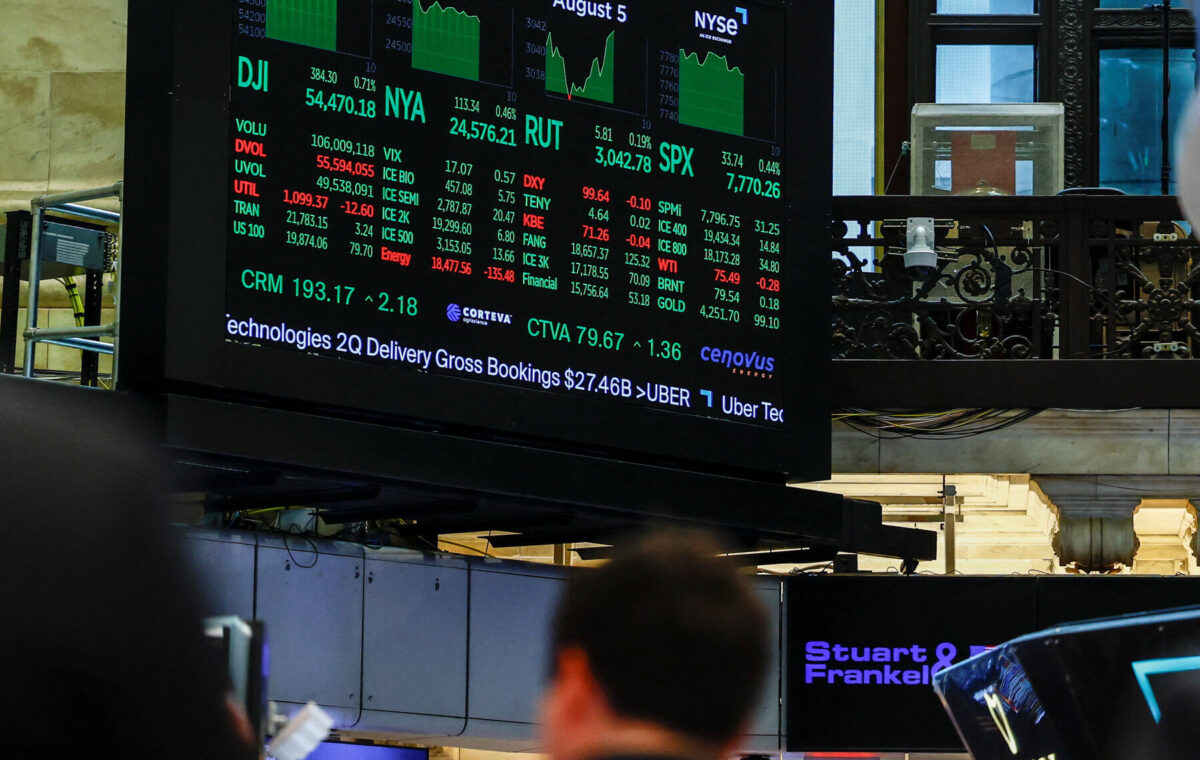
Roughly a quarter of legislators on Capitol Hill have traded individual stocks this term, with some buying and selling millions of dollars in shares. Since the start of this term in January 2025, members and their families have collectively traded $160 million to $664 million in individual stocks, according to a New York Times analysis of data collected from members’ required financial filings by 2iQ Research, an analytics firm.
Members are required to disclose their trades. But instead of declaring precise values, they report their trades in broad ranges, making it difficult to determine with precision how much stock they bought and sold.
A law passed in 2012, the STOCK Act, emphasizes that insider trading is illegal among lawmakers, as it is for the general public, and requires them to periodically disclose trades of shares held by them and members of their families. Existing laws do not prohibit lawmakers from trading individual stocks and do little in terms of enforcement. Critics of the system say that creates potential conflicts of interest and leaves open the possibility of members profiting from knowledge about legislation and nonpublic committee briefings.
Over the years, members of both parties have introduced bills cracking down on congressional stock trading, with some proposals more stringent than others. Last month, the House passed legislation limiting the ability of members, their spouses and their dependents to trade individual stocks, though it would allow lawmakers to keep the shares they already own and carve out exemptions for trusts and some other assets.
Nearly all Democrats opposed the bill after Republicans added an unrelated measure requiring voters to present photo identification in federal elections. Its prospects in the Senate are uncertain.
We are having trouble retrieving the article content.
Please enable JavaScript in your browser settings.
Thank you for your patience while we verify access.