You have reached your maximum number of saved items.
Consumers are restricting their spending on new technology as prices of laptops, computers, smartphones and gaming devices continue to rise. For some brands, the increases have been as big as 50 per cent.
Over the past 18 months, major semiconductor manufacturers and global foundries have aggressively pivoted production capacities toward enterprise AI servers and data centres, which has had extreme knock-on effects. With makers of consumer technology starved of essential components, the global supply of devices has fallen short of traditional levels, inevitably pushing up wholesale prices, increasing costs to end users, and squeezing margins for tech retailers.
While consumers face higher prices overall, the changes may also result in retailers shifting their efforts to attract business. Discounts, deals and bundles are likely to become concentrated in major marketing event sales, where high-margin devices (such as refurbished phones or mid-range models that have had a price rise to premium levels) could see steep discounts.
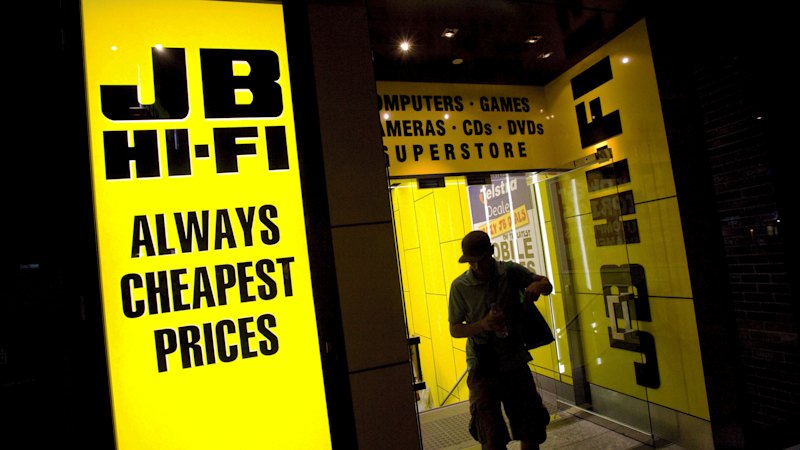
On Monday, shares in electronics retail giant JB Hi-Fi tumbled by 11.9 per cent after it warned of slowing sales momentum as the AI boom raised prices and halted supply. It posted record sales of $11.1 billion for the year, driving a 6 per cent gain in net profit to $489.9 million. But a highly challenging finish to the fiscal year saw momentum halt, which the company put down to “supplier price rises and stock availability shortages in the technology categories”.
JB Hi-Fi noted that sales momentum began to noticeably decelerate in the fourth quarter, a slowdown directly attributed to what the company described as “supplier price rises and stock availability shortages”, and “the onset of challenging macroeconomic and market conditions in the technology categories”. This has forced the company to aggressively slash prices at the register to maintain its sales volumes. Consequently, the retailer took a hit to its profitability, with gross margins falling 25 basis points in the second half to 21.93 per cent.
According to Etoro analyst Josh Gilbert, investors are not looking at the results for the entire previous year, but the four weeks of July, which have been sobering.
“JB is the bellwether for Australian discretionary retail, so today’s weakness is likely to weigh on sentiment across the sector,” he said.
“JB has proven it can sell when it has the product. The question now is whether it can get enough of it onto shelves.”
In an investor call, JB Hi-Fi chief executive Nick Wells said that in addition to wholesale price increases of up to 50 per cent, supply challenges meant manufacturers were not supporting promotional activity at the length and depth they may have done previously. Added together, this meant consumers were increasingly holding off discretionary spending until major promotional events, such as Black Friday, Boxing Day, and end-of-financial-year sales. Notably, July does not include any such event.
MST Marquee analyst Craig Woolford said JB Hi-Fi faced a slower sales backdrop in the current financial year, with the slowdown likely to accelerate in the December 2026 quarter. But the company is certainly not alone in navigating the turbulent macroeconomic situation – the entire electronics retail sector will face questions on when or if supply can return to normal levels.
Supply chain constraints driven by the global AI build-out are widely expected to persist for at least another 12 to 18 months, as silicon foundries remain booked out by AI giants. Even tech giants like Apple are feeling the pinch, with rumours that only certain iPhone 18 models will be available this year, the rest pushed to 2027.
Get news and reviews on technology, gadgets and gaming in our Technology newsletter every Friday. Sign up here.
You have reached your maximum number of saved items.