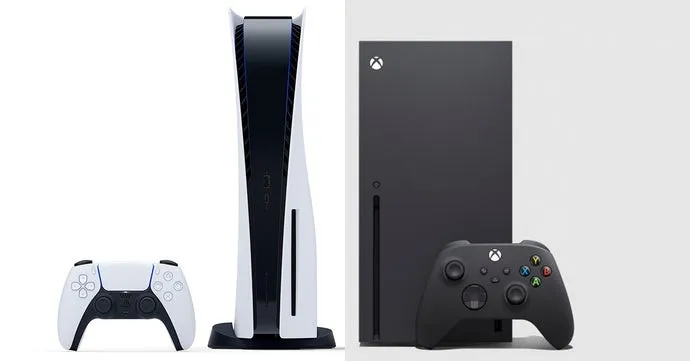
Both companies argue they are not legally required to provide refunds to those who bought price-hiked hardware
Sony and Microsoft have filed motions to dismiss class action lawsuits accusing them of not passing on tariff refunds to consumers.
As Game File reports, the lawsuits were filed after 2025 price increases for PlayStation 5 and Xbox consoles. Consumers allege these hikes were due to US-imposed tariffs, which the US Supreme Court ruled were illegal, and as such they are entitled to refunds.
Sony requested that a judge in California's Northern District dismiss the lawsuit, arguing that the company is not legally required to pass tariff refunds to consumers.
Sony's legal team described the claims that tariffs caused the price increases "speculative and illogical," stating factors like "inflation, currency fluctuations, component costs, logistics, competitive dynamics, or demand" were responsible.
They also noted Sony implemented additional hardware price increases after the tariffs were declared illegal.
"If the original price increase were attributable to tariffs, SIE [Sony Interactive Entertainment] would have had no reason to raise prices again after the Supreme Court invalidated the IEEPA tariffs."
"If tariffs were the cause of the price increases, one would expect SIE to lower prices once the tariffs were eliminated – not raise them again. Instead, the timeline confirms that PlayStation console pricing includes a diverse and dynamic set of input costs."
In July, Sony informed investors it expected to receive $508 million in tariff refunds, which increased Q1 operating income by 37%.
Microsoft's legal team made similar arguments in a separate lawsuit filed in federal court in Washington State and has also requested dismissal.
"There is nothing unjust about Plaintiff purchasing an Xbox at an advertised price and getting exactly what he paid for – regardless of whatever theory he devised months later about Microsoft's cost structure."
Microsoft said that the Plaintiff "provides no specific allegations that would establish any pricing differential attributable to tariffs or suggest any possibility that Microsoft applied then or could recreate now any dollar-for-dollar calculation of tariff-related pricing – any more than it could any other market factor that affects pricing."
Sony and Microsoft's arguments follow a class action dismissal request Nintendo submitted in July.
Lawyers for the platform holder argued that "if a consumer did not want to pay the advertised price, they were free to abstain from purchasing the product or seek out competing products."
It clarified that Nintendo "did not simply increase each product’s price by the amount of tariffs it paid on that product or impose an across-the-board tariff surcharge."