Account subscription benefits alongside Premium Stories, Editorials,
Opinions and more. Unlock these with Subscription
The View From India
Looking at World Affairs from the Indian perspective.
First Day First Show
News and reviews from the world of cinema and streaming.
Today's Cache
Your download of the top 5 technology stories of the day.
Science For All
The weekly newsletter from science writers takes the jargon out of science and puts the fun in!
Data Point
Decoding the headlines with facts, figures, and numbers
THEdge
At the cutting edge of education and careers
Health Matters
Ramya Kannan writes to you on getting to good health, and staying there
Gender Agenda
Stories from beyond the binary.
The Hindu On Books
Books of the week, reviews, excerpts, new titles and features.
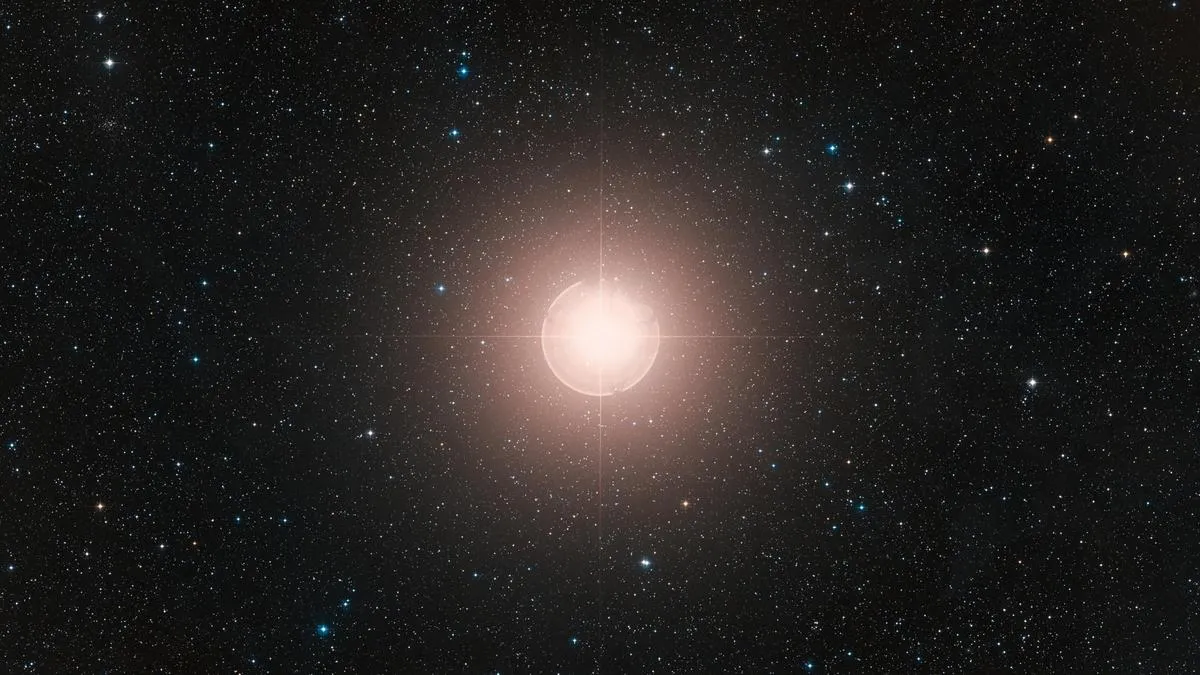
A handout image of the star Betelgeuse, a colour composite made from exposures from the Digitized Sky Survey 2 (DSS2). The image was released on July 28, 2026.
| Photo Credit: ESO/Digitized Sky Survey 2
Using the Very Large Telescope, astronomers have found strong evidence that Betelgeuse, the famous red supergiant star, has a close companion, now called Betelgeuse B. It seems to be a young star around 2.6-3.1-times as heavy as our sun. And it could explain why Betelgeuse’s brightness changes in a six-year cycle: that is likely caused by the companion periodically blocking some of Betelgeuse’s light. The team is awaiting a second observation to confirm the data.
Children more exposed to extreme humid heat than elderly
Researchers found that children aged 0-9 are currently exposed to roughly thrice as many additional heat stress days as adults in their 60s, meaning they are disproportionately more exposed to extreme humid heat. The root of the disparity is the vast majority of the world’s children living in tropical, low-latitude areas where heat is increasing most intensely. These findings are critical because children are physically more vulnerable to heat and face potential lifelong health risks.
Microclimate under solar panels leads to ‘inferior greening’