War in space will be inevitable as Ukraine will have to neutralize these satellites
When you purchase through links on our site, we may earn an affiliate commission. Here’s how it works.
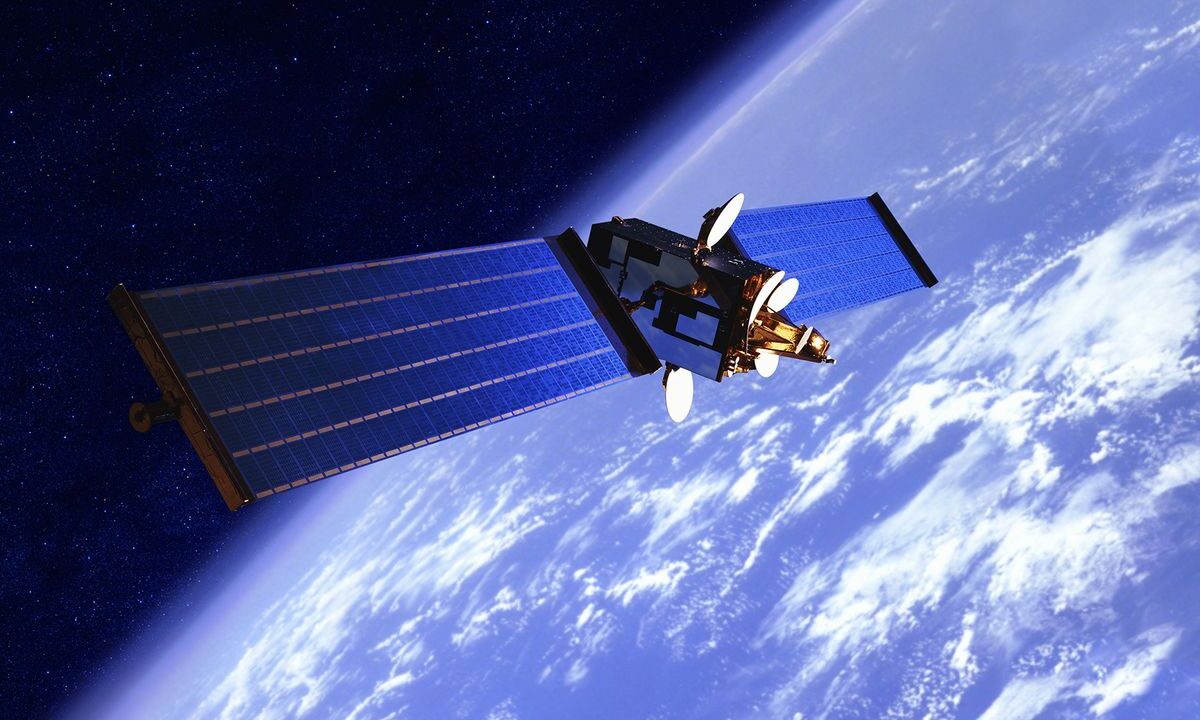
Russia is building its own satellite constellation, called Rassvet, at a pace that has outrun Ukrainian intelligence projections, experts have warned.
The program is intended to give Moscow the same kind of persistent, real-time coverage that Starlink has given Ukraine for over three years.
That capability shift is what now makes confrontation over these satellites appear difficult to avoid.
According to Major General Vadym Skibitskyi, deputy chief of Ukraine's Defense Intelligence directorate, Russia had already placed 16 satellites into low Earth orbit as of March 2026.
He also claims that Moscow now plans for another 292 satellites by 2027, expanding further to 924 satellites by 2035.
"For now, the system can operate only intermittently, when a satellite passes over our territory," Skibitskyi said.
That limitation means Rassvet currently functions as a proof of concept rather than an operational rival to Starlink.
Sign up to the TechRadar Pro newsletter to get all the top news, opinion, features and guidance your business needs to succeed!
Once completed, the constellation would let Russian forces coordinate drone strikes and share targeting data without depending on ground infrastructure.
Reliable satellite links are what currently allow Ukrainian drones to be piloted in real time across contested terrain.
A functioning Russian equivalent would remove the connectivity advantage that has favored Ukraine for most of the war.
Because electronic warfare cannot easily disrupt satellites the way it jams ground-based signals, countering Rassvet requires a different approach entirely.
Skibitskyi confirmed that discussions are already underway within Ukraine's defense establishment on how to respond once Rassvet matures, but offered no specifics on what form that response might take against the satellite network itself.