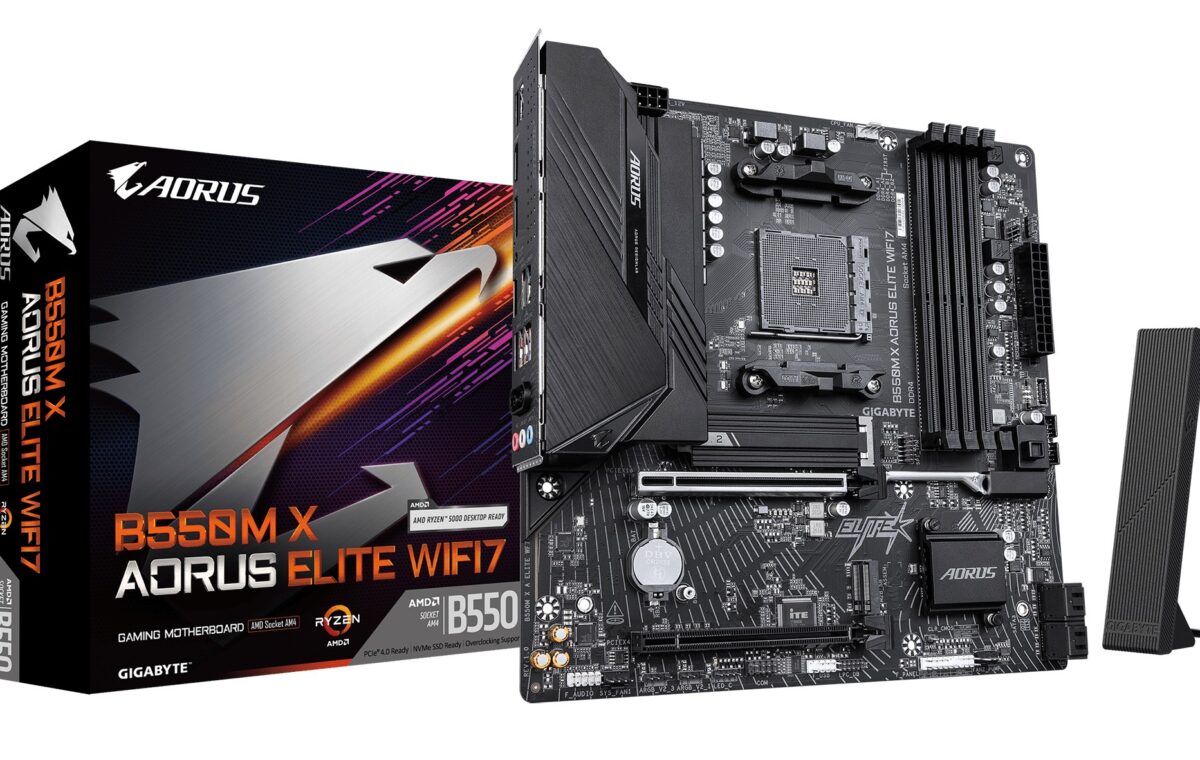
For PC enthusiasts who've already lived through SSD price hikes and RAMageddon, there could be more bad news ahead.
PC gaming sites and social media discussions were buzzing this week after a report from a Chinese forum claimed PC motherboard prices could soon rise significantly.
Websites including VideoCardz, Guru3D and Digital Foundry, among others, cited what appears to be a supply chain report on a Chinese forum called Boards Channels, suggesting that PC motherboard makers could raise prices for consumers as material costs climb by as much as 50% in the coming months.
The link to the Board Channels report no longer seems to work, but a screenshot posted on these sites suggests that Taiwanese motherboard manufacturers, including ASUS, Gigabyte and MSI, will be trying to address the effects of rising component costs.
Whether the report is legitimate or not, we have some bad news, especially if you plan to build a PC or perform an upgrade. PC gamers, builders and upgraders have already seen the price of hard drives and SSDs skyrocket following massive cost jumps for RAM (dubbed by some as RAMageddon) over the last year due to AI data center needs and component shortages. Experts consulted by CNET said the implications of the Board Channels report for motherboard pricing are not only credible but also highly likely to materialize.
One reason analysts believe motherboards are likely to go up in price is that practically all electronic components are being affected by the AI data boom, with data centers gobbling up memory and storage products, creating supply constraints. There is also a reduced supply of materials such as copper, as well as chemicals manufactured in parts of the Middle East, said Cassandra Cummings, CEO of the electronics design and manufacturing company Thomas Instrumentation Inc.
“You can’t make PC motherboards without memory chips or copper, so its base pricing will follow what’s happening in those markets,” Cummings said in an email.
The war in Iran is also hurting supply chains.
“Some of those factories have been damaged in the war, and shipping logistics are struggling, so I believe those chemicals are also in short supply these days, causing more cost increases for the industry,” Cummings said.
Gaming enthusiasts may also be competing for motherboard parts with big PC makers, such as Dell and Apple, which could have a lock on certain supplies and components from some of the same motherboard manufacturers.
Joshua Goshorn, senior director at Quandary Peak Research, said in an email that he found the Board Channels report credible.
“With so much demand generally for PCBs (printed circuit boards) and materials and processes needed to create the PC motherboard, it seems reasonable that the cost of the PC motherboard from MSI, ASUS, etc. will increase,” he said.
But Goshorn believes those cost increases could be modest compared to the increases the market has seen in RAM and hard drive prices.
Companies that make PCs have an advantage over solo builders and upgraders because they have access to volume purchasing, and some of them have stockpiles of components ahead of any price shifts.
Although he hears that production of circuit boards is continuing to ramp up, that may not mitigate the rising cost of materials.