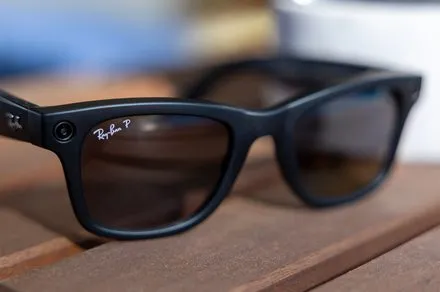
Smart glasses started as Google’s awkward, premature vision of wearable computing over a decade ago, but they’ve lately devolved into a full-blown public nuisance. Norway is now moving to rein them in. The country’s digital minister, Karianne Tung, has said that the government is weighing tighter regulations on smart glasses from companies like Meta and Snap, according to an AFP report.
Tung described a clear trend toward combining AI with cameras and microphones built into glasses, headphones, and other everyday objects, and said the goal is to stop that equipment from being used to record people in public without their consent. She added that the rules under consideration could extend to banning facial recognition features that identify people in public spaces, a capability some wearable makers are reportedly building into future devices.
Civil liberties advocates have raised similar concerns, arguing that camera-equipped wearables blur the line around consent in ways smartphones do not, since the visible cue for an ongoing recording is easy to miss. The concerns are not new. Google itself once told Glass Explorers not to be a “Glasshole,” its own term for wearers who filmed people without asking. The recent surge in popularity of Meta’s Ray-Ban smart glasses has just brought the problem into the mainstream.
Tung said she plans to convene a group of experts to advise the government on stronger privacy protections. No timeline for formal legislation has been announced yet.
Norway’s proposed crackdown doesn’t exist in a vacuum. It follows a growing wave of localized bans meant to plug the gaps left by tech manufacturers. While Meta has implemented software safeguards, forcing smart glasses to stop recording if the small LED indicator is covered, users regularly bypass them using simple tricks like electrical tape or physical modifications.
As a result, private establishments are stepping in. Several nightclubs, music venues, and fitness chains across Europe and the US now prohibit camera-equipped wearables on their premises. Schools have raised similar alarms after reports surfaced showing students using smart glasses to covertly film classmates and teachers.
The core problem extends far beyond the hardware itself. The broader issue stems from the industry’s rapid shift toward ambient AI recording. Modern wearables offer features like multimodal visual analysis, which require them to constantly process live data streams from your surroundings. Adding facial recognition to that would turn these gadgets into tools for continuous public surveillance.
That is precisely why I welcome Norway’s approach. We spent years letting social media platforms run wild before attempting to regulate them, and we are still dealing with the fallout. Tech companies have repeatedly shown that they treat public anonymity as collateral damage in the race to build new hardware and features, with utter disregard for public well-being. If these companies refuse to build meaningful safeguards, then regulators absolutely should step in and draw those lines for them.