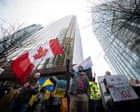
Parody candidate Count Binface and Reform UK leader Nigel Farage are competing in the Clacton byelection. Photo / Henry Nicholls, AFP
Voters in eastern England head to the polls on Thursday for a byelection triggered by hard-right Reform UK leader Nigel Farage, but amid a boycott by mainstream parties his main rival is a joke candidate called Count Binface.
The traditional parties have shunned the contest for the Clacton parliamentary seat
– represented by Farage since July 2024 – denouncing his move to resign and launch a new vote as a stunt.
Polling stations open at 7am local time with a total of 34 candidates in the running, forcing Farage to face off against dozens of fringe candidates, including Binface.
Brexit backer Farage – whose anti-immigration Reform UK won local elections in May and topped national polls for 18 months from early last year – has remained defiant.
He has framed the byelection as “the people of Clacton versus the Establishment”, branding newspaper probes and official investigations into his finances and questionable donations to his anti-immigration party as a “stitch-up”.
“Britain needs Reform, Britain wants Reform, and Britain demands a general election,” he said in a statement late on Wednesday.
Farage is widely expected to retain the eastern Essex seat, which voted overwhelmingly for Brexit in the 2016 referendum, and political analysts have downplayed the vote’s wider significance.
“It seems unlikely that the byelection will be consequential for British politics,” University of Southampton political science professor Will Jennings told AFP.
“Victory won’t mean that questions about Farage or Reform’s finances will go away, so it seems most likely it will be a wasted summer for everyone,” he added.
“When Farage returns to Parliament afterwards we will be back where we started.”
Polls will close at 10pm, with counting beginning immediately and a result expected by around 7am on Friday.
Turnout – nearly 59% in the 2024 general election – could be significantly down given the lack of traditional candidates from ruling centre-left Labour and the centre-right Conservatives.
Farage netted 46% of the vote two years ago to become an MP on his eighth attempt, securing a majority of 8405. But comparisons may be complicated by the boycotts.
Most of the candidates – the highest number of any parliamentary election – are standing as independents, and have led to a ballot paper which is nearly a metre long.