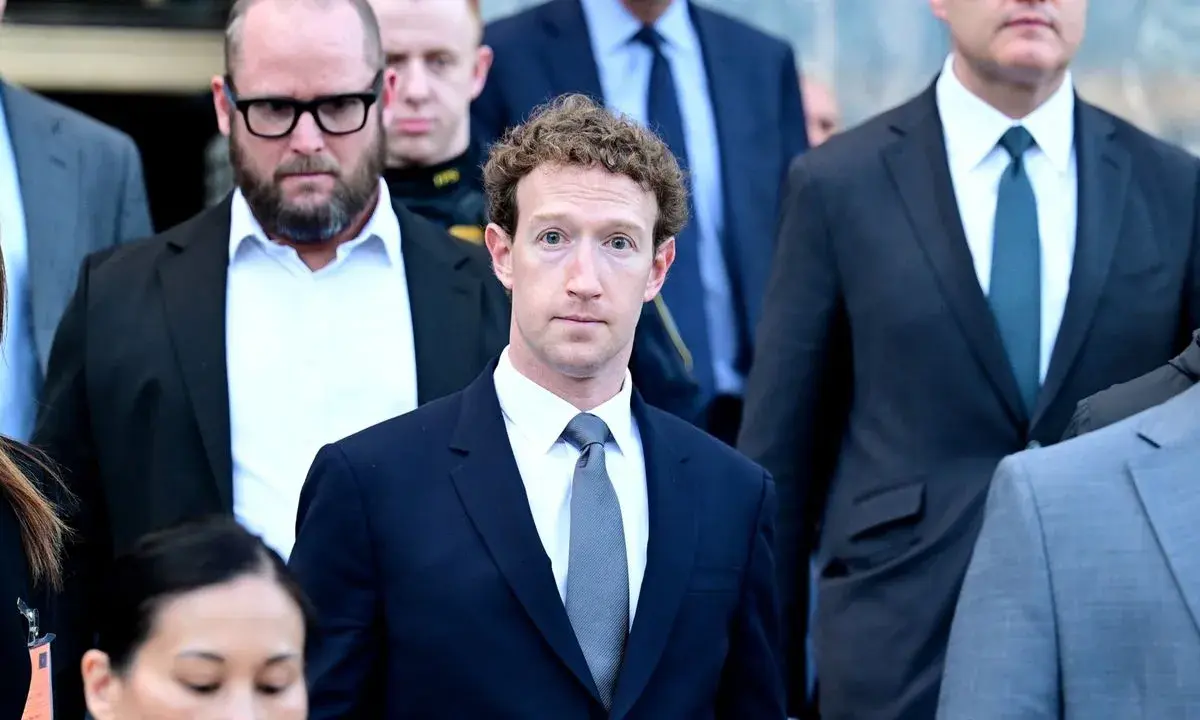
The company urged other social media brands to follow its lead
Social media giant Meta on Wednesday agreed to pay up to $17.1 billion and implement new safeguards for underage Instagram and Facebook users as part of a landmark settlement with 47 states and other U.S. jurisdictions. Meta also reached a $1 billion settlement with Texas over similar allegations that it endangered children by designing its platforms to be addictive, like cigarettes.
Meta agreed to limit users under 18 to two hours a day on its combined platforms, lock them out from midnight to 6 a.m., block “beauty filters,” hide “likes” and improve age verification tools. A federal judge in California approved the settlement Wednesday evening.
Meta’s “dramatic capitulation” could “signal an inflection point for a social media industry that has largely escaped regulatory scrutiny over the harms its products have caused children,” The New York Times said. It also “effectively ends a bellwether federal trial” underway in California in which four states were seeking roughly $200 billion from Meta.
Escape your echo chamber. Get the facts behind the news, plus analysis from multiple perspectives.
From our morning news briefing to a weekly Good News Newsletter, get the best of The Week delivered directly to your inbox.
From our morning news briefing to a weekly Good News Newsletter, get the best of The Week delivered directly to your inbox.
“In a unique setup,” Meta “will pay out only 70% of the settlement,” The Wall Street Journal said, withholding $5.3 billion, unless YouTube, TikTok and Snapchat agree to also pay the states $5.3 billion and join it in implementing stricter one-hour daily limits for underage users. “This framework will only work if all our peers join us,” Meta chief legal officer C.J. Mahoney said in a blog post.
The $18 billion settlement, representing “about one month of revenue for Meta,” will be paid out over 10 years, Reuters said. “It could provide a template for resolving thousands of other lawsuits against social media companies.”
Rafi Schwartz has worked as a politics writer at The Week since 2022, where he covers elections, Congress and the White House. He was previously a contributing writer with Mic focusing largely on politics, a senior writer with Splinter News, a staff writer for Fusion's news lab, and the managing editor of Heeb Magazine, a Jewish life and culture publication. Rafi's work has appeared in Rolling Stone, GOOD and The Forward, among others.