Account subscription benefits alongside Premium Stories, Editorials,
Opinions and more. Unlock these with Subscription
The View From India
Looking at World Affairs from the Indian perspective.
First Day First Show
News and reviews from the world of cinema and streaming.
Today's Cache
Your download of the top 5 technology stories of the day.
Science For All
The weekly newsletter from science writers takes the jargon out of science and puts the fun in!
Data Point
Decoding the headlines with facts, figures, and numbers
THEdge
At the cutting edge of education and careers
Health Matters
Ramya Kannan writes to you on getting to good health, and staying there
Gender Agenda
Stories from beyond the binary.
The Hindu On Books
Books of the week, reviews, excerpts, new titles and features.
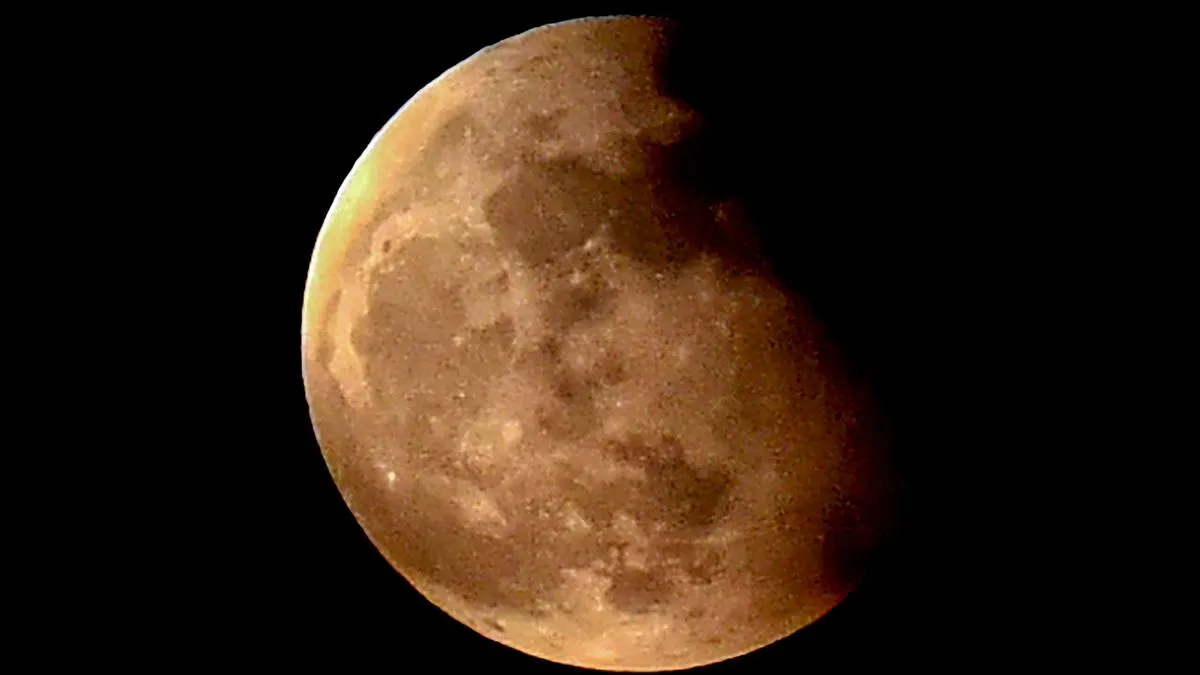
Representational Image
| Photo Credit: PTI
The world is scheduled to witness a lunar eclipse soon with almost 96% coverage of the moon’s surface, which will give the celestial body a deep red hue.
The lunar eclipse will occur on August 28, 2026 and will be visible across North and South America, with about one billion people having full access to view the event. Partial views will also extend to parts of Europe, Africa, and West Asia, with almost 44% of the world’s population having the chance to watch it.
A lunar eclipse is a celestial event that occurs when Earth passes directly between the Sun and the Moon, casting its shadow across the lunar surface. This alignment can only happen during a full moon.
Total lunar eclipse: The Moon moves entirely into the darkest part of the Earth’s shadow, creating what is called a “Blood Moon,” where the moon appears reddish-orange due to sunlight refracting through Earth’s atmosphere.