Another year, another difficult set of accounts to present to the Scottish public.
The publicly funded Scottish National Investment Bank (SNIB), set up in November 2020 to provide finance to firms in Scotland that support the drive to net zero, harness innovation, and tackle place-based inequality, has today unveiled its biggest loss yet.
The £137.5 million deficit has provided further ammunition to the development bank’s many critics, who have questioned the institution’s use of public money after watching it rack up hefty losses since its inception nearly six years ago. The scale of those losses was underlined last week when an independent report, authored by Sir John Elvidge, found the bank had made around £110m of losses since opening its doors. It led the former permanent secretary to the Scottish Government to conclude that its leadership must learn the “right lessons” from its difficult early years.
And that was before the publication of the bank’s results for 2025/2026 today, which saw losses at the bank widen even further from last year, when it posted a pre-tax loss of £58.4m.
Clearly, it is far from ideal that finance that could otherwise be used to boost Scotland’s hard-pressed public services has been lost.
But is all the criticism justified? To be fair to the top brass at SNIB, no one is trying to pull the wool over anyone’s eyes. Chief executive David Ritchie is acutely aware that the latest loss is far from a great look, declaring his wish at the very start of an interview with The Herald to be “upfront” that “this is a challenging set of results for the bank”.
However, he was keen to point out some mitigating factors. He emphasised that a large chunk of the losses related to investments made in the first three years of the bank’s operations, which he said were characterised by “high inflation, challenging interest rates, [and] liquidity challenges within the market itself, all of which have an impact on the success of a business as well as other investor appetite”.
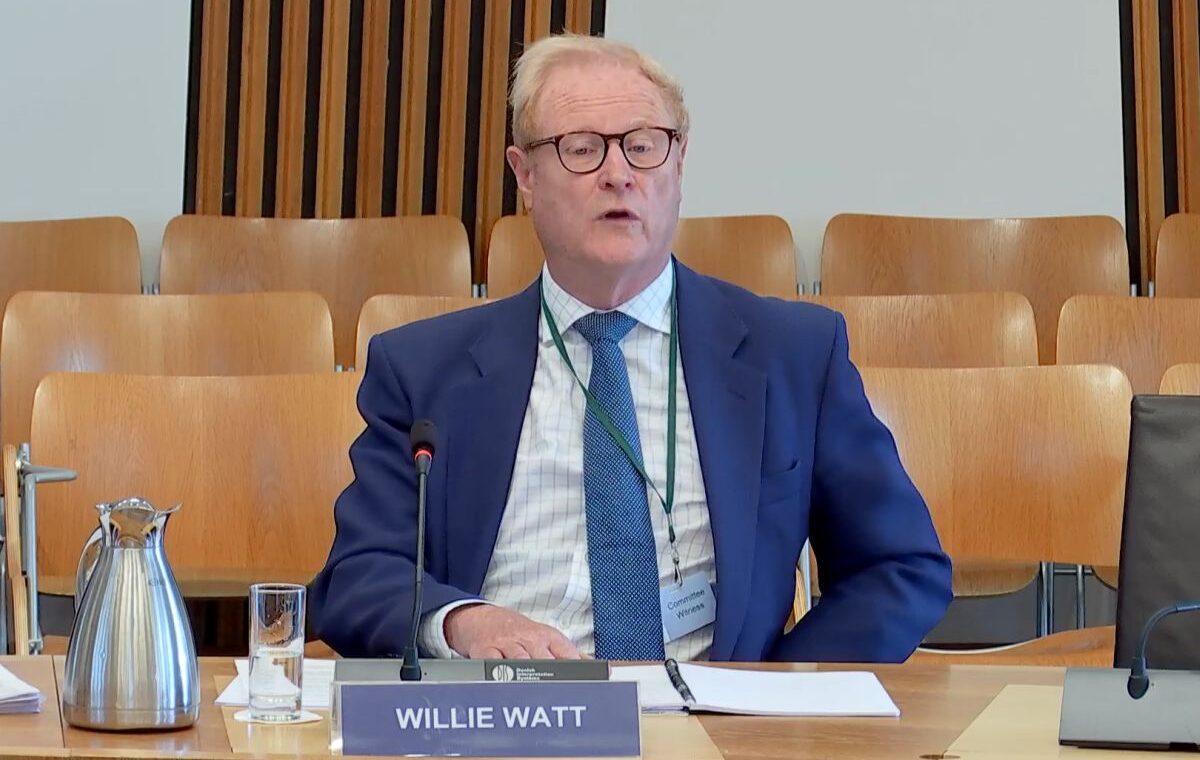
He also reiterated the point that the SNIB is set up to take a level of “development-bank risk”, as chairman Willie Watt routinely states, that is higher than what mainstream lenders would take and is “trying to support a number of businesses which have unproven technology, where new markets are yet to be established”.
As such, the argument goes, it is inevitable that some failure will be encountered along the way. Indeed, the Elvidge report concluded that the view from external investment professionals consulted was that the level of losses was not higher than might be expected “from an institution in its start-up phase”.
Moreover, given the focus of SNIB on providing “patient capital”, it is not yet at a stage where it is able to exit any of its investments.
While Mr Ritchie said that “we are very encouraged by the performance of a number of assets within our portfolio, across all of the missions”, he told The Herald: “What we are keen to do is not rush to an exit, and to ensure that the company is given the best opportunity to grow and maximise the impact it can have in Scotland.”
Mr Ritchie, who succeeded Al Denholm as chief executive in January, was equally encouraged by the £12.3m operating profit booked by the bank in its latest financial year and its continued deployment of capital, with the £374m committed to Scottish businesses being the highest amount since the bank has deployed since it began operating.
Of course, no matter how cogent the arguments are, the bottom line is that this publicly funded bank has made another hefty loss. The noise from its critics will continue to build until if and when the bank stems the losses and begins to routinely make profits.