Account subscription benefits alongside Premium Stories, Editorials,
Opinions and more. Unlock these with Subscription
The View From India
Looking at World Affairs from the Indian perspective.
First Day First Show
News and reviews from the world of cinema and streaming.
Today's Cache
Your download of the top 5 technology stories of the day.
Science For All
The weekly newsletter from science writers takes the jargon out of science and puts the fun in!
Data Point
Decoding the headlines with facts, figures, and numbers
THEdge
At the cutting edge of education and careers
Health Matters
Ramya Kannan writes to you on getting to good health, and staying there
Gender Agenda
Stories from beyond the binary.
The Hindu On Books
Books of the week, reviews, excerpts, new titles and features.
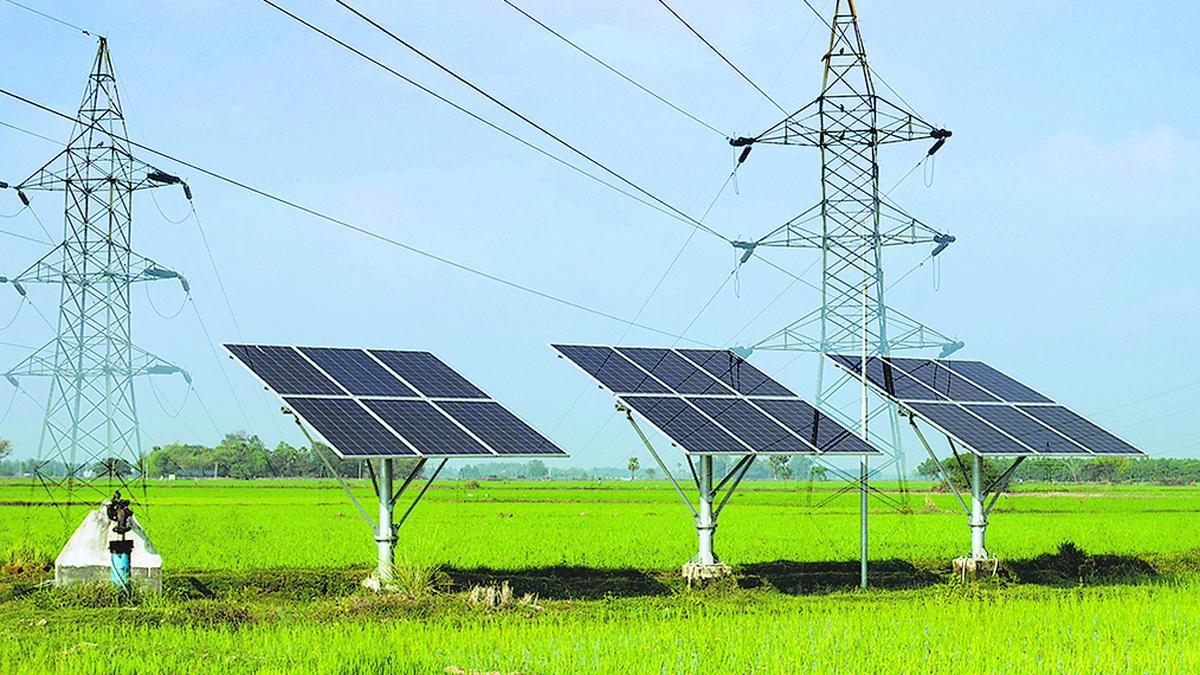
Solar irrigation models come in different shapes and sizes differentiated by design, ownership structure, and pricing incentives, all of which influence groundwater-related outcomes.
| Photo Credit: Getty Images/iStockphoto
“Solar irrigation will worsen the groundwater crisis.” This concern is raised in most discussions about the rapid spread of solar irrigation in India — where heavily subsidised or free electricity has led to unsustainable groundwater abstraction, contributing to falling water tables, depleting aquifers, and growing fiscal burdens on energy utilities.
Thus, with solar irrigation offering almost free power and no incentive to limit pumping, farmers may draw ever more groundwater.
However, there are three gaps in this framing that one should consider. First, the current debate often treats solar irrigation as a single model – typically a farmer operating a standalone solar pump with no incentive to conserve water.
In reality, solar irrigation models come in different shapes and sizes differentiated by design, ownership structure, and pricing incentives, all of which influence groundwater-related outcomes.