Fox News Flash top headlines are here. Check out what's clicking on FoxNews.com.
For years, many people thought of identity theft as a specific event. Someone opens a credit card in your name, runs up a balance and leaves you to clean up the damage. That still happens, but identity theft has become more complicated. Criminals may take over an existing bank account instead of opening a new one.
They may transfer your phone number to another device or expose your payment card information. They may also use your personal details in a convincing scam or combine information from several breaches to impersonate you.
Your identity may be connected to your bank, credit cards, retirement accounts and phone service. It can also connect to medical providers, social media profiles, shopping accounts and information collected by data brokers.
SIM SWAP SCAM DRAINED FLORIDA WOMAN'S BANK ACCOUNT IN MINUTES
That broader risk changes what you should look for in identity theft protection. A useful service should do more than alert you that something may be wrong.
It should help you understand what happened, decide what to do next and find support when the situation becomes difficult to resolve. Here's what you can do now to protect yourself, what to look for in an identity theft protection service and where extra monitoring and recovery support may help.
Missed CyberGuy LIVE? Watch the Protect Your Money replay
Our free CyberGuy LIVE class, Protect Your Money From Today’s Biggest Threats, has ended, but you can still watch the full replay and download our financial protection checklist.
Kurt "CyberGuy" Knutsson walks you through five simple ways to help defend yourself against AI scams, fraud, identity theft and financial hacks. You’ll learn how to set up bank alerts, strengthen your account logins, protect your phone number, freeze your credit and help secure your retirement savings against unauthorized transfers. No technical experience is needed.
Get the free replay and checklist now at CyberGuyLive.com
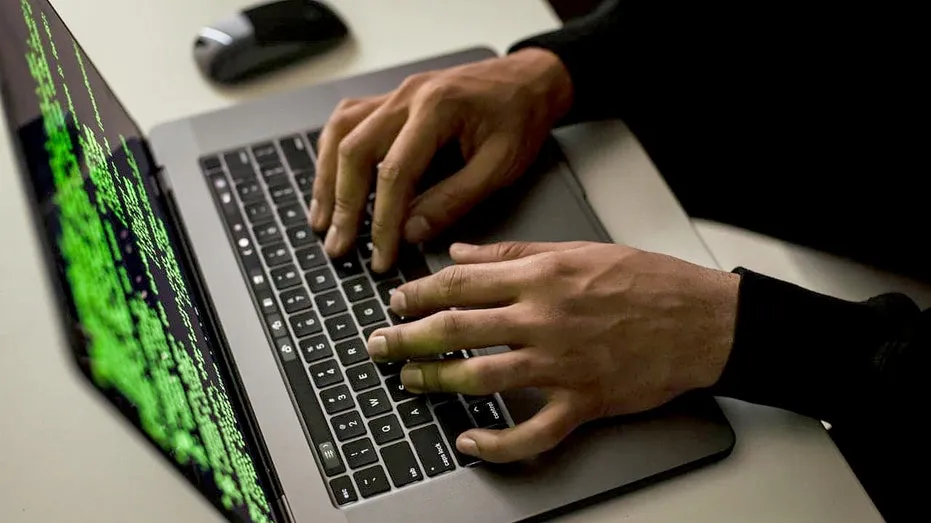
Identity thieves may target accounts you already use, from banking and email to your phone number and payment cards. (Kurt "CyberGuy" Knutsson)
New account fraud remains a concern, but account takeover can be just as disruptive. In an account takeover, a criminal gains access to an account you already own. They may change the password, replace the recovery email address, add a new phone number or make unauthorized purchases and transfers.
The warning signs can be easy to miss. You might receive a password reset alert you did not request, notice that your phone suddenly loses service or see a small unfamiliar charge on a credit card. Other warning signs include unexpected changes to your account profile, a new device connected to your email account or a notification about a transaction you do not recognize.
Scams have also become more personalized. A criminal may know your name, location, family details or the name of your bank before contacting you. As a result, a fake text, phone call or email can seem much more convincing. Identity protection has expanded beyond traditional credit monitoring. Today, you may also want help watching financial accounts, payment activity, phone changes, exposed personal information and suspicious transactions.