In a recent social media thread, Microsoft veterans Brad Silverberg, Joe Belfiore, and Dave Plummer shared a few anecdotes and clarifications about how the taskbar became part of Windows.
The taskbar, first introduced with Windows 95, allowed users to keep track of multiple active programs simultaneously, making it one of the highlight features of the cutting-edge operating system.
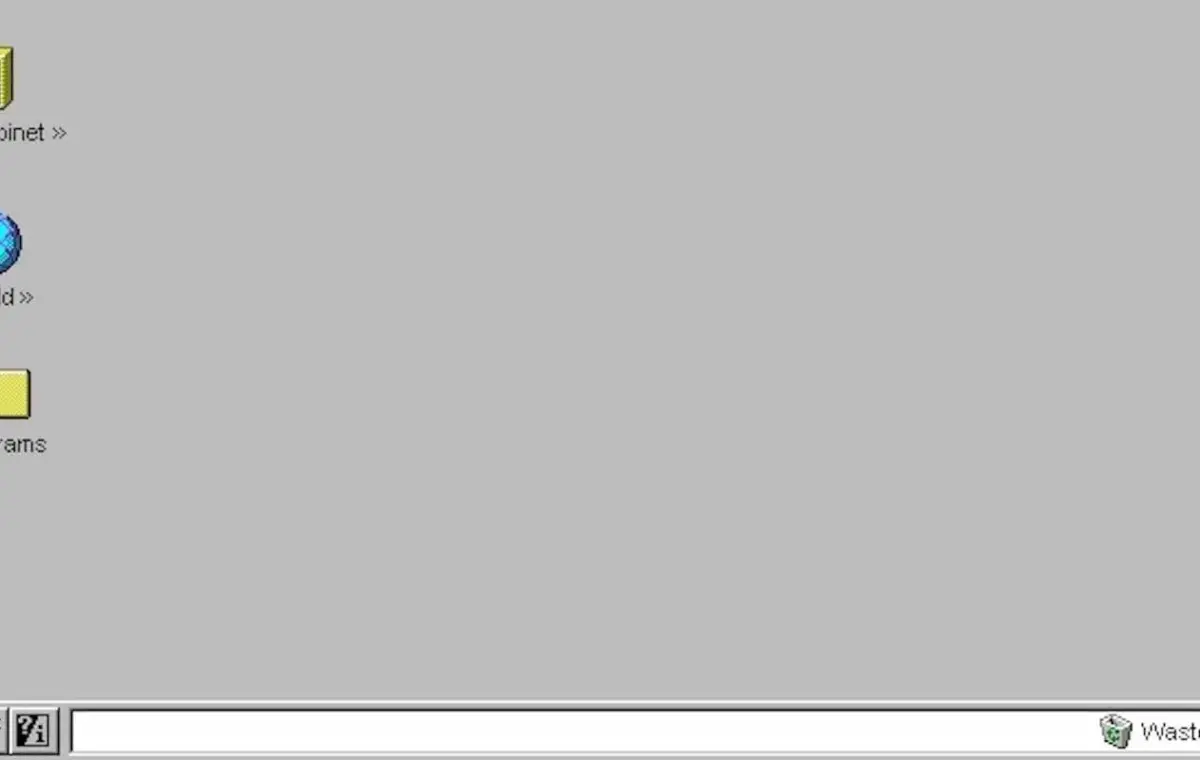
But the foundation for the Windows taskbar was laid in “Cairo,” a Microsoft project launched back in 1991. In Cairo, “fields” were located at the bottom of the screen and were always visible. In developing the Windows 95 taskbar, the Cairo design was combined with a feature from Windows 3.1 that was used to minimize windows.
The NeXT dock was pretty different than the Win 95 Taskbar. Win 95 developed the Taskbar on it own and didn't take it from NeXT. I've discussed this with the Win 95 UI designer, Danny Oran, who reiterated he came up with the design on his own, not taken from NeXT.
A similar concept to the Windows taskbar appeared even earlier in 1988, in the NeXTSTEP operating system for Steve Jobs’s NeXT computers, so many assumed the inspiration came from there. However, according to Microsoft veterans, this wasn’t the case. (The NeXTSTEP solution actually went on to become the direct precursor to macOS’s Dock.)
Over the years, the taskbar in Windows has evolved quite a bit. However, the most criticized change occurred in 2021 with the advent of Windows 11, which fixed the taskbar to the center of the bottom edge and removed the ability to reposition it. Users hated the lack of customization so much that Microsoft recently brought that taskbar feature back.
This article originally appeared on our sister publication PC för Alla and was translated and localized from Swedish.