Account subscription benefits alongside Premium Stories, Editorials,
Opinions and more. Unlock these with Subscription
The View From India
Looking at World Affairs from the Indian perspective.
First Day First Show
News and reviews from the world of cinema and streaming.
Today's Cache
Your download of the top 5 technology stories of the day.
Science For All
The weekly newsletter from science writers takes the jargon out of science and puts the fun in!
Data Point
Decoding the headlines with facts, figures, and numbers
THEdge
At the cutting edge of education and careers
Health Matters
Ramya Kannan writes to you on getting to good health, and staying there
Gender Agenda
Stories from beyond the binary.
The Hindu On Books
Books of the week, reviews, excerpts, new titles and features.
Updated – September 02, 2026 12:53 am IST – NEW DELHI
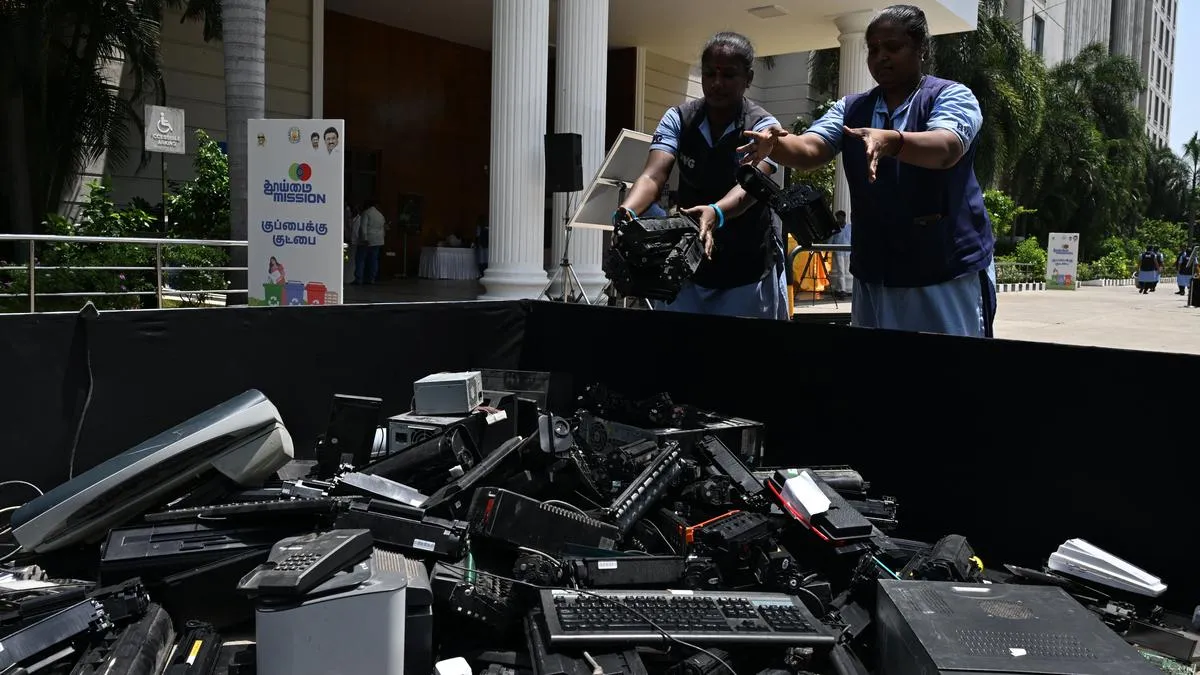
Informal set-ups have frustrated policymakers, as they focus on repairing products by harvesting components from used goods and operate outside any formal framework, that can eventually lead to recycling being a viable source of key raw materials for manufacturing firms to consider.
| Photo Credit: B. Jothi Ramalingam
Even as the Union government nudges local electronics manufacturing — such as the push for semiconductor fabrication projects and the Electronics Component Manufacturing Scheme — gaps have emerged in a critical sector that may grow more important in the coming years: e-waste recycling. Millions of tonne of consumer electronics and appliances have been disposed of in the recent years, and policymakers see extracting expensive and scarce metals and elements as key as electronics consumption is set to boom in the coming years.
While hundreds of millions of mobile phones are in use in India, with TRAI pegging the number of mobile broadband connections in excess of 93.9 crore as per the latest count, India constitutes a relatively small portion, about 4%, of overall global electronics consumption.
As global supply chains for these electronics remain fragile, the government has nevertheless pushed to expand indigenous manufacturing capacity, as well as efforts on the raw materials side, with a ₹1,500 mineral recycling scheme announced in early September.