Account subscription benefits alongside Premium Stories, Editorials,
Opinions and more. Unlock these with Subscription
The View From India
Looking at World Affairs from the Indian perspective.
First Day First Show
News and reviews from the world of cinema and streaming.
Today's Cache
Your download of the top 5 technology stories of the day.
Science For All
The weekly newsletter from science writers takes the jargon out of science and puts the fun in!
Data Point
Decoding the headlines with facts, figures, and numbers
THEdge
At the cutting edge of education and careers
Health Matters
Ramya Kannan writes to you on getting to good health, and staying there
Gender Agenda
Stories from beyond the binary.
The Hindu On Books
Books of the week, reviews, excerpts, new titles and features.
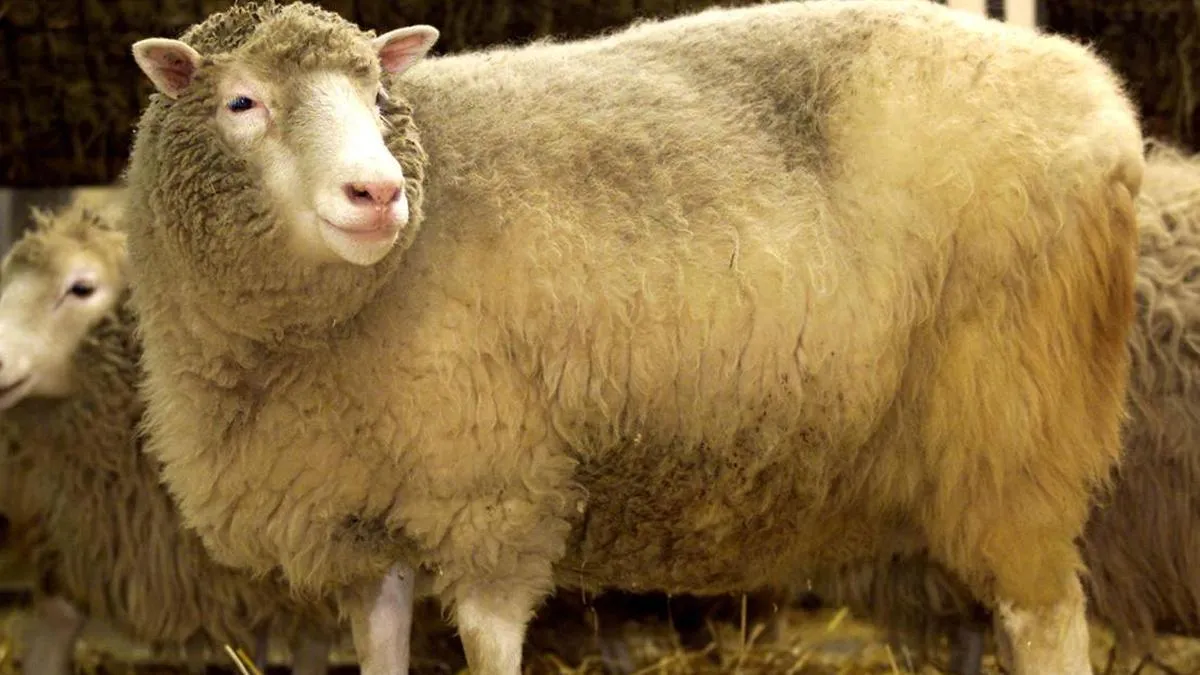
Dolly the sheep looks at photographers during a photocall at the Roslin Institute in Edinburgh on January 4, 2002.
| Photo Credit: REUTERS
Have you ever encountered clones? In case you wish to jump the gun and answer in the negative, it might be prudent to think a wee bit longer. This is because the concept of cloning is intertwined with something that occurs naturally.
With that clue, you might have deduced that the closest we have to human clones today – or always have had for that matter – are identical twins. Agreed, their genetic makeup isn’t 100% the same, but monozygotic twins are nature’s genetic clones – these individuals are almost genetically identical to each other.
Jolene, vaccine and cancer research — the enduring scientific legacy of Dolly Parton
These twins, as the name suggests, come from a single zygote, or fertilised egg. When this egg splits in half and develops as two zygotes instead of one in utero, we have two persons in the place of one. Twins are, however, kind of clones of one another, and not that of another individual – the meaning more often associated with the word.