Back in
1972, some colleagues and I were sitting in a circle on our lunch hour talking
about our jobs. We talked about low pay, unequal pay, training men to be our
own supervisors, and having to do favors for our bosses.
I
think it all hit home for us the day a student walked into the office,
looked one of us straight in the eye, and asked, “Isn’t anybody here?” Well, I’m
here. Can’t you see me?
Out of
those conversations, an organization grew. I was one of 10 women office
workers in Boston who founded 9 to 5, which was the direct inspiration for Jane
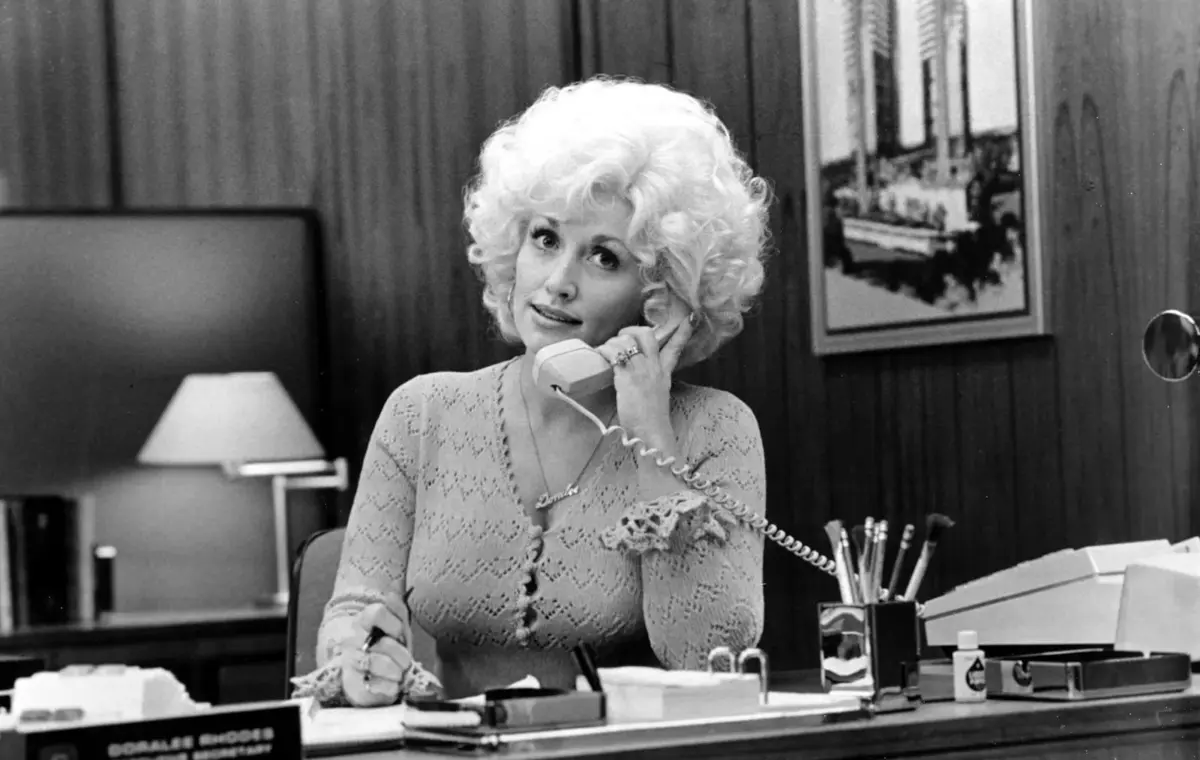
Fonda’s blockbuster movie. Dolly Parton’s
toe-tapping theme song “9 to 5” quickly rose to the top of the charts. Along with her touching and hilarious
performance as the sweet but mightily annoyed Doralee Rhodes, the beloved
anthem boosted our efforts to win equality, higher pay, and respect for working
women. Among her many achievements, Parton made a giant contribution to women’s rights on the job.
Women
were up against a lot. At that time, sexual harassment was perfectly legal. You
could be fired for being pregnant. In the newspapers, there were two columns: “Help Wanted Male” and “Help Wanted Female.” Millions of women were pouring into the
workplace, and one in three was an office worker. As the clerical workforce
grew by leaps and bounds, so did a sense of injustice among the women whose job
it was to type, file, staple, mimeograph, and photocopy.
Yet
in the downtown office workforce, there was little or no history of collective action.
When you had a problem, you were likely to think of it as your own personal
dilemma. Maybe you should dress better or take a class. The idea of sitting
across the table to negotiate with management was unimaginable to many of
us. Employers, of course, were intent on
keeping it that way.
Bit by
bit, though, we perfected the collective art of raising a ruckus, and things
began to change. Across the city, we won
millions of dollars in back pay and raises. We formed a national association with
members in every state and chapters in dozens of cities.
Then came
the big time. Enter Jane Fonda. Karen Nussbaum, one of our leaders, knew the
celebrated actor from the peace movement, and she kept her up-to-date on our
doings. When Jane told us she wanted to make a movie about the concerns of
office workers, we were thrilled.
As Jane remembered
it, one day on the radio she heard Dolly Parton singing her song “Two
Doors Down,” about a woman who pulls herself out of a funk and goes after
what she wants. As she listened, she had a vision of Dolly, with her long,
painted fingernails, working as a secretary. She decided to ask Dolly and Lily Tomlin, a great comic force, to join
the cast. Both agreed.
Dolly was
already a superstar as a singer, songwriter, and record producer. But she’d never
acted in a film before. She treasured her connection with her country roots and
knew that working with Jane might be a risk to her career. Indeed, audiences
sometimes booed when she mentioned Jane. But Dolly was a consummate bridge-builder, able to thread a careful
course among all varieties of fans. She was also a quick study who had no
trouble holding her own within the trio of stars.
The
typical movie of the time would have treated Dolly’s character, with the big
hair and the skin-tight outfits, as a figure of fun. But instead of ridiculing Doralee,
this movie took her side. As people on the set remember it, one day Dolly took out her guitar. “I’ve got a song,”
she announced. Simulating the sound of typing, she clicked her fingernails to
establish the beat. Then she launched into her infectious tune with its
pitch-perfect lyrics.
The song
expressed the grievances and the dreams of legions of working women—and
men. It begins with an awakening
(“Stumble out of bed”), directs some angry energy at management (“You’re just a step on the boss-man’s
ladder”), and then summons a sense of common purpose (“You’re in the same boat
with a lot of your friends”). Finally, it ends in triumph: “The tide’s gonna
turn, and it’s all gonna roll your way!”
9 to 5 was a comedy, but it told the
truth. In the movie, the three women get together and it becomes necessary for
them to kidnap their boss. Once he’s gone, the funny thing is that no one
really notices. The three women quickly institute a slew of new, worker-friendly
policies, like flextime and job sharing and on-site childcare—all the things
our organization was campaigning for—and find that the company runs better than
it ever did.
Women
office workers had never seen ourselves as the main characters on the big
screen, and the mood in the theaters was electric. We gasped, hooted,
applauded, and shouted out advice. There were shrieks of laughter, waves of
applause, shouts of “Right on!” 9 to 5 was the second-highest-grossing
film of 1980, after The Empire Strikes Back, another epic battle between
good and evil. It made clear the unfair boss was the problem, not the women. The
film portrayed not just the problems but the solutions: not just getting women
out of the typing pool but also making the typing pool a better place to work.
And the means to those solutions was women banding together.
While Jane
Fonda was energetic and explicit in her support for the working women’s
movement, Dolly took a different approach. When a radio journalist asked if she considered herself a feminist, she responded, “No,
I do not. I think of myself as a woman in business.” Another time, though, when
Time magazine asked her the same question, she said this: “I suppose I
am a feminist, if I believe that women should be able to do anything they want
to.” Many participants in our movement felt the same way. They didn’t see
themselves as part of the women’s liberation movement, but they believed
passionately in fairness and equality on the job. Our organization worked hard
to carve out a comfortable place for such women, and Dolly’s outsize presence
helped us do it.
Rather
than a spokeswoman, Dolly was a model: hardworking, supremely good at what she
was doing, and full of empathy for her fellow human beings.