Account subscription benefits alongside Premium Stories, Editorials,
Opinions and more. Unlock these with Subscription
The View From India
Looking at World Affairs from the Indian perspective.
First Day First Show
News and reviews from the world of cinema and streaming.
Today's Cache
Your download of the top 5 technology stories of the day.
Science For All
The weekly newsletter from science writers takes the jargon out of science and puts the fun in!
Data Point
Decoding the headlines with facts, figures, and numbers
THEdge
At the cutting edge of education and careers
Health Matters
Ramya Kannan writes to you on getting to good health, and staying there
Gender Agenda
Stories from beyond the binary.
The Hindu On Books
Books of the week, reviews, excerpts, new titles and features.
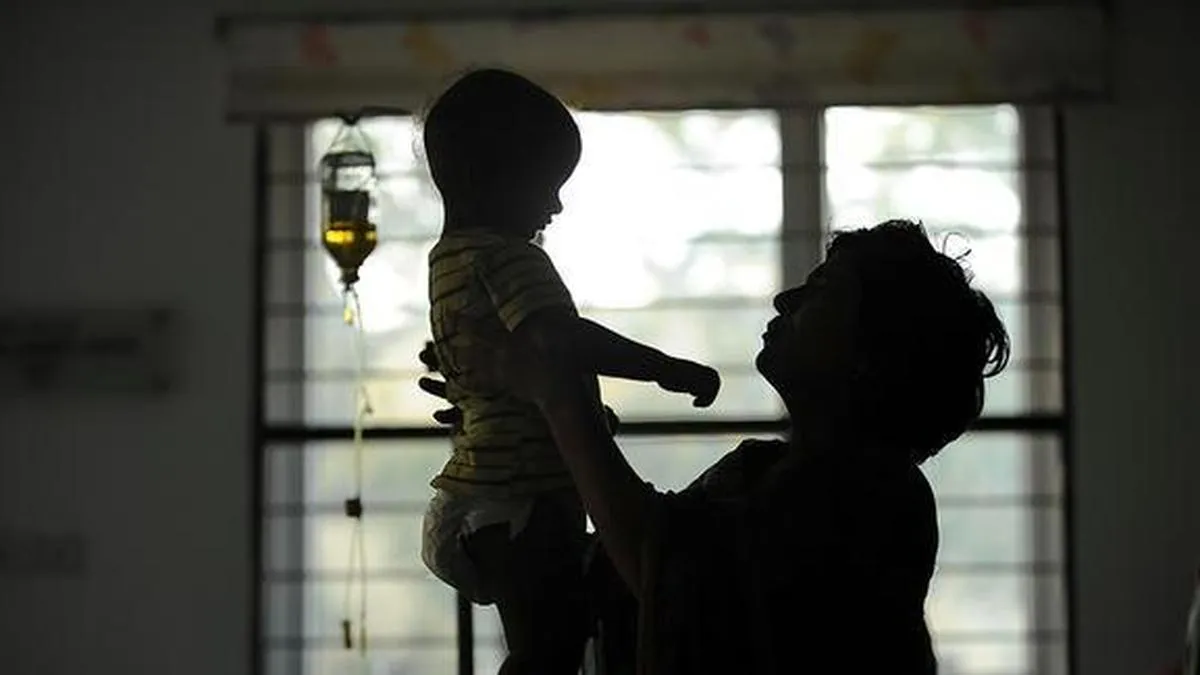
India, home to about 380 million children below the age of 14, accounted for the largest share of childhood cancers in the South Asian Association for Regional Cooperation. File photograph used for representational purposes only
Sumana* was an energetic child until she turned 11. Then she began complaining of tiredness, could no longer play as she previously used to, and fell ill frequently. Her appetite declined, and a paediatrician advised investigations.
A blood test that her parents thought was routine revealed the possibility of leukaemia.
It took her mother, Varalakshmi*, several months to come to terms with the diagnosis. By then, nearly a year had passed. Sumana had become increasingly weak and listless. When treatment intensified, she had to drop out of class 9. A year later, however, after the completion of her treatment, she was ready to return to school. Today, Sumana is a schoolteacher. She married a year ago, bringing immense happiness to her parents.
Sumana was fortunate. She lived in a metropolitan city with access to specialised healthcare; her parents ensured she completed treatment, and their financial circumstances enabled them to support her. She also had leukaemia, one of the most common and highly treatable childhood cancers.