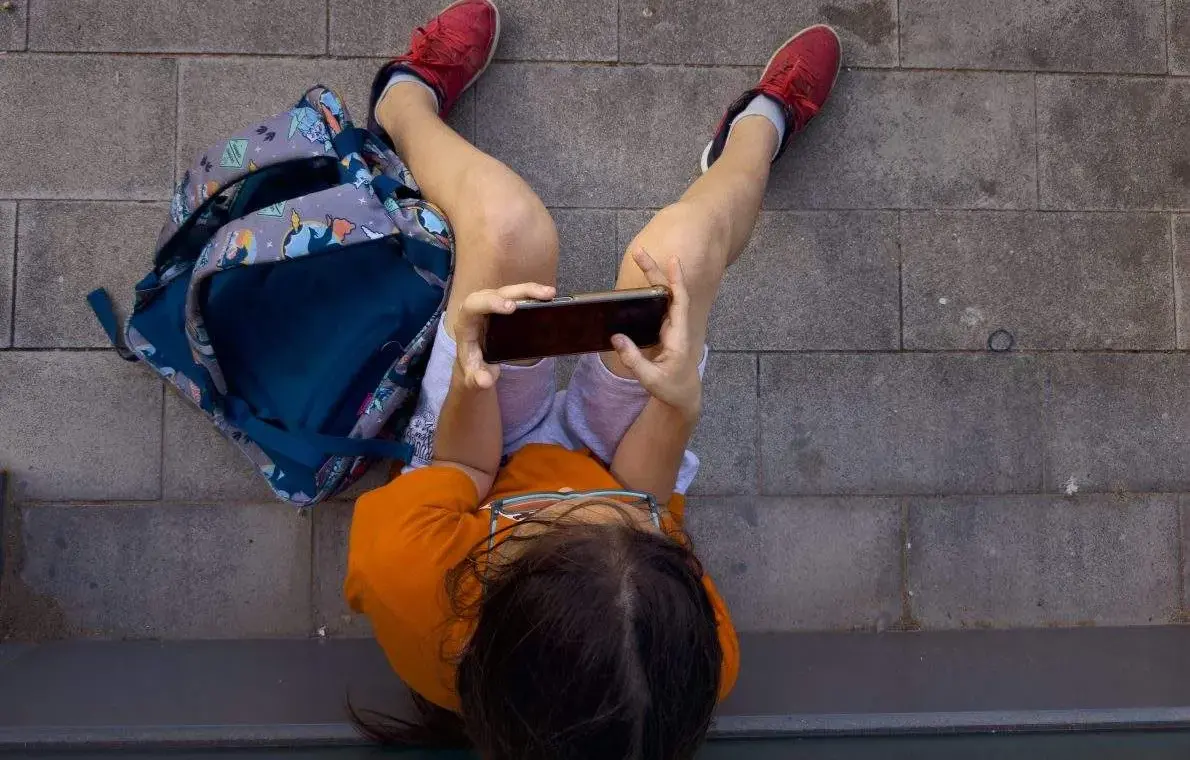
The federal government says it is standing by its proposed legislation that would include a social media ban for users under 16 years old after Meta agreed to implement new rules for kids as part of a nearly US$18-billion settlement with U.S. states this week.
Besides the money, which will be paid out over a decade, Meta has agreed to strengthen its age estimates to keep kids under 13 off its platforms — including Facebook and Instagram — and teens in age-appropriate accounts. It will also enact a hard limit of two hours a day for users under 18, block kids from the apps from midnight to 6 a.m., and hide “like” counts, among other changes.
Meta said the new safeguards will only apply in the U.S., with most in place for 10 years.
A spokesperson for Canadian Heritage told Global News in a statement Thursday that it will still move ahead with Bill C-34, dubbed the Safe Social Media Act, which was tabled in June and would require social media companies to restrict Canadians under 16 from their platforms.
“The Government of Canada remains steadfast in its commitment to Bill C-34,” the department said.
“As the bill continues through the legislative process, we expect platforms to act responsibly and proactively take concrete steps to ensure their products are safe by design, for children and for all users. The government is committed to acting as quickly as possible to better protect our children.”
The Safe Social Media Act aims to create a “duty to protect children” for all online platforms that will require social media and artificial intelligence chatbot platforms to incorporate age-appropriate designs, including content warning labels, safe search settings for children, and measures to reduce addictive behaviours like endless scrolling.
Social media companies will also have to label bot-driven harmful content and “deepfakes,” or synthetic content.
Experts have told Global News the youth social media ban will likely narrow over time, with the government using a “carrot and stick” incentive for platforms to improve their designs and better protect children long-term.
The bill would set up a new digital safety commission that would enforce the legislation, and dole out exemptions to social media platforms from the youth ban based on whether they meet yet-to-be-defined “adequate safeguards” to protect kids.
Meta told Global News in a statement Thursday that, while the changes announced as part of Wednesday’s statement are U.S.-specific, it will monitor their effectiveness and “engage in productive dialogue with other governments to support age-appropriate experiences on our platforms.”
The company added that it already has “strong protections in place for teens” and parental controls for global users and that other apps like TikTok and YouTube “must join our efforts to establish a new standard of protection.”
Meta’s changes “are not the win that people think it is,” according to Evan Light, associate professor at the Faculty of Information at the University of Toronto.
“It’s a settlement between Meta and 52 attorneys general in the United States, where Meta doesn’t admit to any liability,” he said. “This is a settlement with the majority of states in the United States for only $18 billion. And so, in terms of just the resources, I don’t think it will go all that far.”
On March 26, New Mexico became the first U.S. state to find Meta liable for “misleading consumers about the safety of its platforms and endangering children.”