You have reached your maximum number of saved items.
London: When the British government imploded in June, one key factor was a public dispute between ministers about how much the country could afford to spend on defence.
The goal was so pivotal for the defence secretary at the time, John Healey, that he quit the cabinet in protest when the prime minister, Keir Starmer, would not agree to lift the outlay to 3 per cent of GDP by 2030.
Healey set off a detonation that made the leader look doomed. Starmer resigned 11 days later.
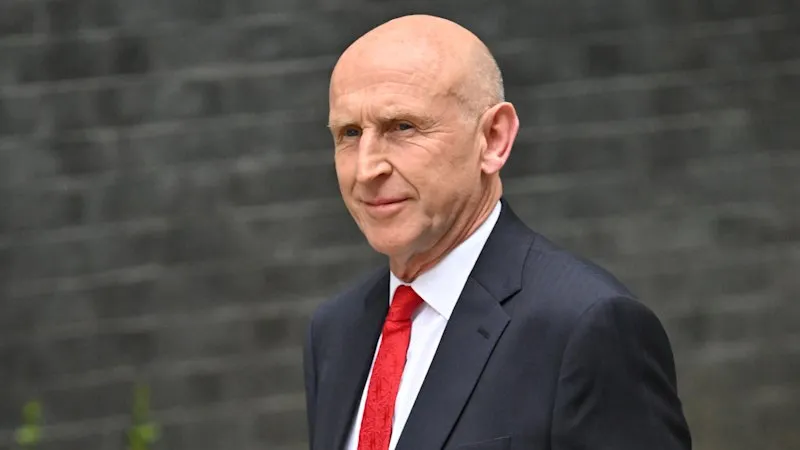
Now, that same target is haunting the government led by Prime Minister Andy Burnham. And it is causing trouble for Healey, who was one of the big winners in the new ministry when he was promoted to chancellor of the exchequer.
His decision is to go soft on the hard target. Healey is going to shelve the 3 per cent goal, according to reporting in The Financial Times and other media. Rather than doing what he thought was so important only six weeks ago, he is sending the matter to a review over the next year.
This exposes Healey to accusations of hypocrisy or weakness, of course, and it is a reminder of the self-serving positioning by ministers in the dying weeks of the Starmer government. But it also highlights a more important truth: changing a few leaders does not solve Britain’s budget mess.
And it is a reminder of the risks for Australia when so many defence projects, including AUKUS, depend on the British defence industry.
On the surface, leaders from Britain and Australia try to show that everything is fine. Healey hosted Deputy Prime Minister and Defence Minister Richard Marles in London in June to display a steady friendship. But Healey quit the next day, so the visit merely highlighted the instability at the top of this relationship.
Australia is already dealing with erratic allies in Washington. It could do without the same in London. Things are settling down under Burnham. The UK’s new defence secretary, Wes Streeting, is a friend of Australia. (He visited in 2023). At a personal level, the alliance between the UK and Australia is in good hands. The next logical step is for Marles and Streeting to set up a meeting.
But there’s a problem. Britain is already spending beyond its means and is in no position to commit to an even bigger increase in its defence outlays. This does not directly endanger AUKUS, but it highlights how stretched national security is in one of Australia’s most important allies.
Britain’s defence budget is forecast to reach £62.0 billion (about $117 billion) this financial year, rising to £79.1 billion in 2029-30, according to the House of Commons Library. The spending is on track to reach 2.7 per cent of GDP by 2030.
Burnham and Healey have been mugged by reality. One estimate suggests they would need to find an additional £10 billion per year to reach 3 per cent. They obviously cannot find the money.
This is not a problem of their own making. The previous Conservative government allowed defence spending to stagnate and budget deficits to deepen over 14 years in power. It would take years to turn this around if Britain’s leaders could ever agree on how to do so.
The UK’s public sector net debt just passed £3 trillion, according to market estimates based on official numbers from the Office for Budget Responsibility. This is the net figure after accounting for public assets. It is 94 per cent of GDP.