Account subscription benefits alongside Premium Stories, Editorials,
Opinions and more. Unlock these with Subscription
The View From India
Looking at World Affairs from the Indian perspective.
First Day First Show
News and reviews from the world of cinema and streaming.
Today's Cache
Your download of the top 5 technology stories of the day.
Science For All
The weekly newsletter from science writers takes the jargon out of science and puts the fun in!
Data Point
Decoding the headlines with facts, figures, and numbers
THEdge
At the cutting edge of education and careers
Health Matters
Ramya Kannan writes to you on getting to good health, and staying there
Gender Agenda
Stories from beyond the binary.
The Hindu On Books
Books of the week, reviews, excerpts, new titles and features.
Updated – August 25, 2026 10:59 am IST – Bengaluru
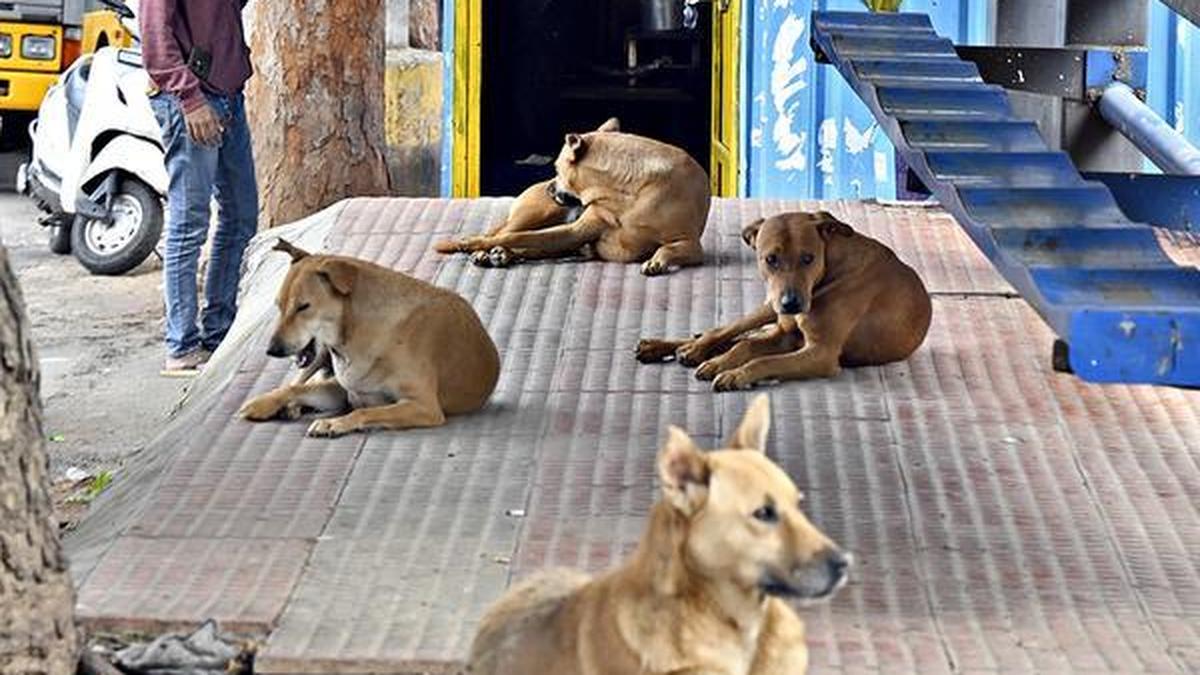
The study says that sterilisation, shelters, fencing or removals cannot succeed when urban landscapes provide food subsidies to animals without corresponding responsibility.
| Photo Credit: File Photo
A new study on the Indian street dog states that “food subsidies” — availability of abundant, predictable food through garbage and intentional feeding — have an impact on their population in the country’s urban ecosystems.
The study, titled ‘The Indian street dog crisis and multi-species coexistence in tropical urban futures’, conducted by Nishant Kumar, a DBT/Wellcome Trust India Alliance Fellow at the National Centre for Biological Sciences (NCBS), said that abundant and predictable food through garbage and the intentional feeding provided to free-ranging dogs influences their population.
NCBS said that while India’s street-dog crisis is often framed as a problem of animal population control, Mr. Kumar’s study published in Nature Cities offers a new perspective as he argues that the driver lies in how Indian cities provide free-ranging dogs with abundant and predictable food through garbage and intentional feeding.