The move is part of the Trump administration’s efforts to spur the country’s largest expansion of nuclear power in more than three decades.
The U.S. Army announced on Wednesday that it would award up to $2.2 billion to five companies to build a new generation of miniature nuclear power reactors at military bases around the country.
The move is part of the Trump administration’s efforts to spur the country’s largest expansion of nuclear power in more than three decades. Federal agencies have been easing or eliminating regulations for nuclear power plants and supporting companies that are developing novel types of small reactors meant to be faster and easier to build than traditional large reactors.
The Army is particularly interested in “microreactors” that are small enough to be mass-produced in a factory and shipped by truck or airplane to far-flung military installations to provide reliable electricity, without the need for frequent refueling. While roughly a dozen companies are developing designs for microreactors, none have been built yet.
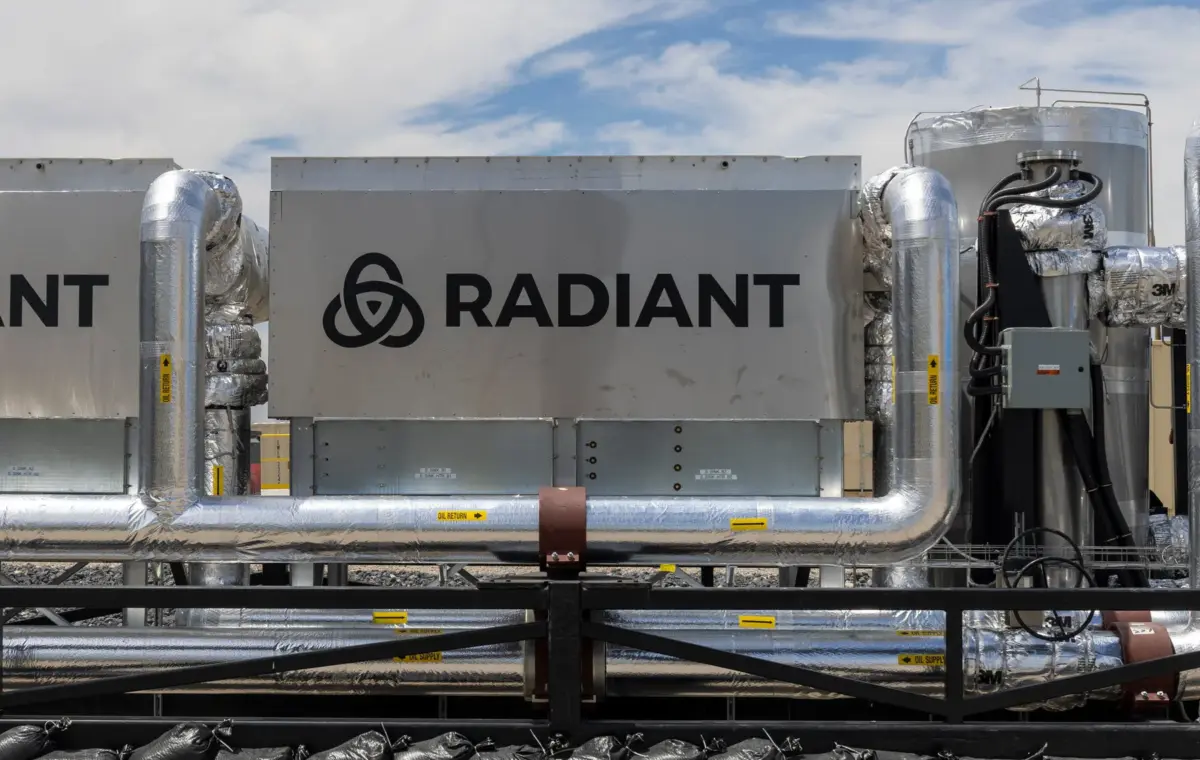
To kick-start construction, the Army will help fund five different companies looking to build initial versions of their reactors: Antares Nuclear at Fort Bragg in North Carolina; BWX Technologies at Fort Campbell in Kentucky; General Atomics at Fort Hood in Texas; Radiant Industries at Fort Benning in Georgia; and Westinghouse Government Services at Fort Drum in New York.
The goal is to deploy at least one microreactor by the fall of 2028 and help the industry as a whole become commercially viable, officials said. The companies are also expected to raise billions of dollars in private funding.
“We believe that this will be the spear tip not just for microreactors but for all advanced reactors in the United States,” said Jeff Waksman, principal deputy assistant secretary of the Army for installations, energy and environment. “There have been a lot of microreactor companies that have popped up recently, but we need to get them over the hump.”
We are having trouble retrieving the article content.
Please enable JavaScript in your browser settings.
Thank you for your patience while we verify access.