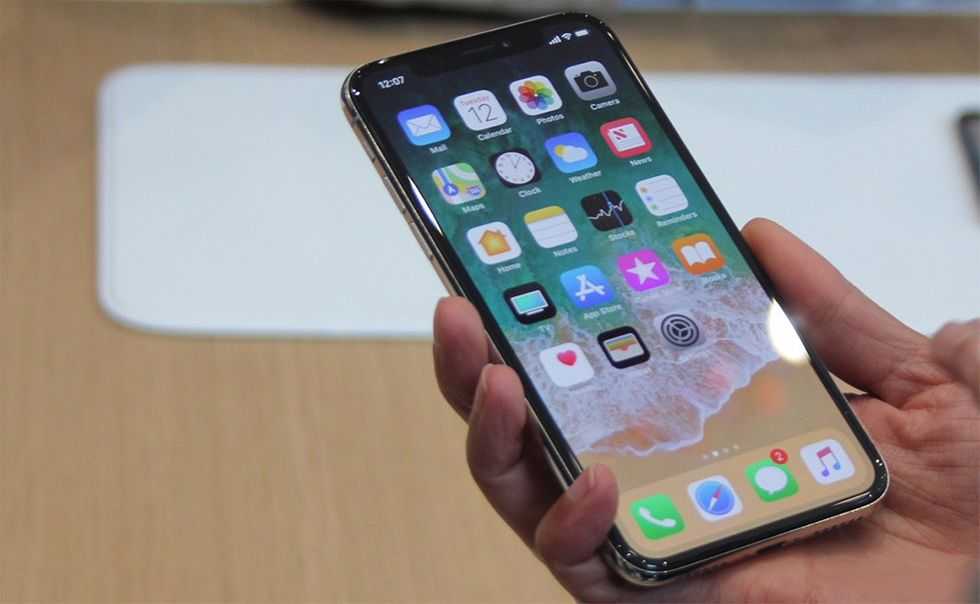
Ten years ago, Apple announced the iPhone X with the message “The future is here.” Now, this important landmark in the history of the iPhone is officially obsolete.
What does “obsolete” mean to Apple? When Apple no longer offers a product for sale for 5 years, it becomes “vintage” and gets limited software or hardware repair support. Once Apple has no longer distributed the product for sale for at least 7 years, it is considered “obsolete,” and you can no longer get parts or service.
That’s what happened to the iPhone X, which was no longer offered for sale by Apple in 2018, about a year after its original release.
Upon its unveiling, Philip Schiller, then-senior vice president of Worldwide Marketing, had this to say:
“iPhone X is the future of the smartphone. It is packed with incredible new technologies, like the innovative TrueDepth camera system, beautiful Super Retina display and super fast A11 Bionic chip with neural engine. iPhone X enables fluid new user experiences — from unlocking your iPhone with Face ID, to playing immersive AR games, to sharing Animoji in Messages — it is the beginning of the next ten years for iPhone.”
While Apple hasn’t officially supported the iPhone X with software updates since iOS 16 in 2022, the overall vision can still be felt on today’s iPhones.