Fox News host Emily Compagno discusses New Orleans' deployment of AI to answer 911 calls on 'Outnumbered.'
Calling 911 is one of those moments when you expect a human voice on the other end. In New Orleans, though, an artificial intelligence system may answer in a limited situation involving certain calls about already reported auto crashes.
The Orleans Parish Communication District handles 911 emergency communications in Orleans Parish. OPCD says the AI helps manage repeat crash reports while keeping human call-takers available for other emergencies.
Hearing an automated voice after dialing 911 could make anyone pause. So, here is what the system actually does, when it steps in and where humans remain in control.
New! Free live CyberGuy class: Protect Your Money From Today’s Biggest Threats
Join us Saturday, Aug. 29, at 10 a.m. ET for a free CyberGuy LIVE class covering five simple steps to help defend yourself against AI scams, fraud, identity theft and financial hacks. Kurt "CyberGuy" Knutsson will explain how to set up bank alerts, strengthen your account logins, protect your phone number, freeze your credit and help secure your retirement savings against unauthorized transfers. No technical experience is needed. You’ll also receive our financial protection checklist, and every registrant will get a link to the class recording afterward.
Reserve your free spot today at CyberGuyLive.com.
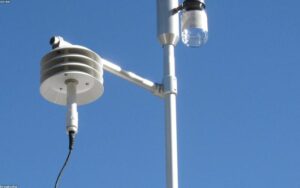
SMART STREET SENSORS COULD BE WATCHING YOUR CITY NEXT
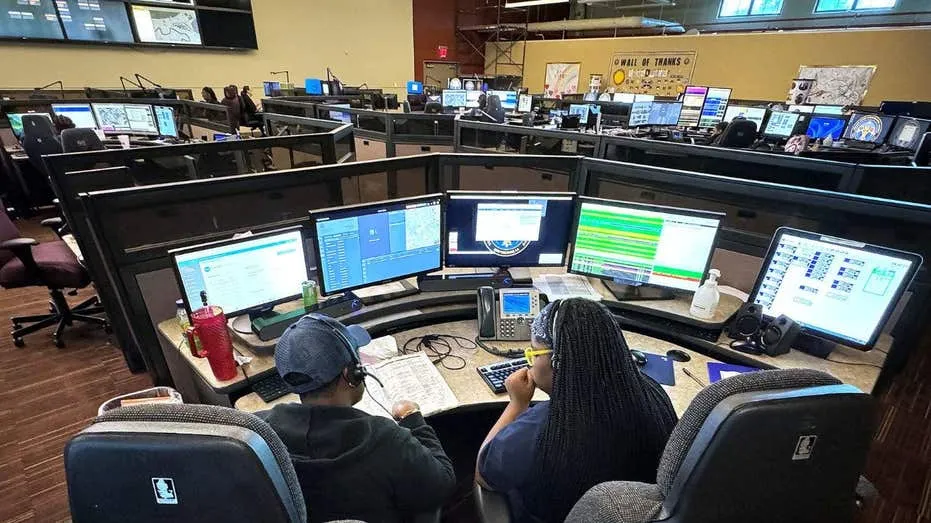
New Orleans uses artificial intelligence to help handle certain repeat 911 calls about auto crashes already reported to emergency dispatchers. (Kurt "CyberGuy" Knutsson)
OPCD began working with emergency communications company Carbyne on AI-assisted call triage before launching the system in 2023. Carbyne calls the technology AI-V Emergency Call Triage. The company designed it to help emergency communication centers deal with sudden floods of calls about the same event.
A car crash can create that problem quickly. OPCD says one accident can generate numerous calls from nearby drivers. During busy periods, those repeat reports can pile up while call-takers handle other emergencies. The AI gives OPCD another way to manage some of those repeat calls.
The system checks whether an incoming call comes from within 200 meters, or about 650 feet, of a crash that 911 already knows about. It can step in only when every human call-taker is occupied. OPCD says it has not deployed the system this way for any other category of 911 call.
The conversation starts simply. OPCD says the AI identifies the call as New Orleans 911. It then asks whether you are calling about an accident at a specific location. Your response determines what happens next.
Answer anything other than yes, and the system returns your call to the 911 queue for a human call-taker. OPCD says this safeguard works regardless of the language you use. Confirm that you are calling about the known crash, and the AI tells you that 911 already knows about it.
Someone involved in the accident or a caller with more information can stay on the line for a human. Otherwise, the system tells the caller that they may hang up. OPCD says the AI itself cannot end the call. The caller decides when to hang up.