Ring founder and chief inventor Jamie Siminoff explains the new A.I.-powered 'Fire Watch' tool to help combat wildfires and more on 'The Claman Countdown.'
Wildfires can get a frightening head start. A small ignition in remote terrain can grow while firefighters are still trying to reach it. Now, a new generation of AI firefighting drones could help shrink that response window.
CAL FIRE recently tested Seneca's autonomous suppression drones in California. Meanwhile, teams competing in the $11 million XPRIZE Wildfire competition put other autonomous systems through field testing in Alaska. The goal is to detect a fire early and get suppressant onto it while it is still small.
The timing is important. NOAA says human-caused warming is contributing to larger and more severe wildfires in California and the western United States. Research has also linked warming conditions with longer wildfire seasons in the West.
Here's how these firefighting drones work, what recent tests revealed and where they could be deployed next.
AMERICA’S FIREFIGHTER SHORTAGE HITS CRISIS LEVEL AS EMERGENCY CALLS TRIPLE, PUTTING LIVES AT RISK
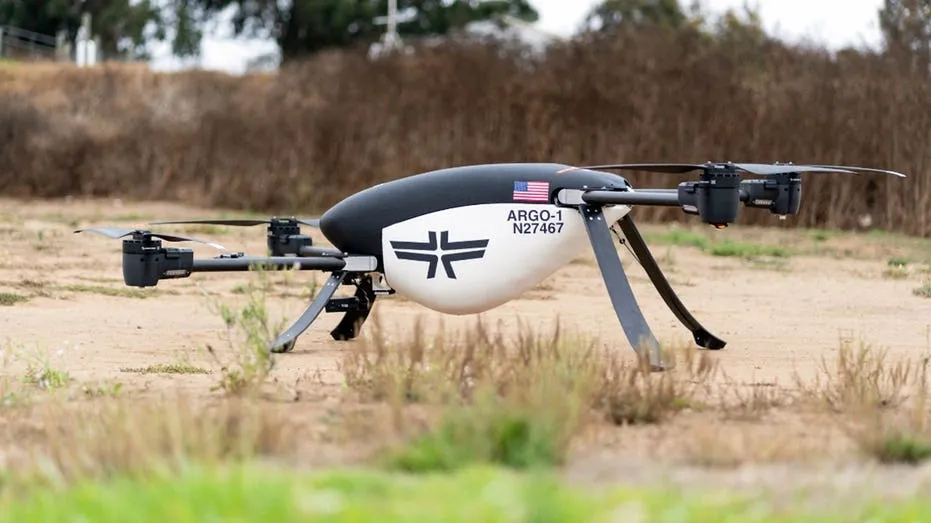
Fire agencies are testing autonomous drones that could reach remote wildfires before ground crews or larger aircraft arrive. (Seneca)
New! Free live CyberGuy class: Protect Your Money From Today’s Biggest Threats
Join us Saturday, August 29, at 10 AM ET for a free CyberGuy LIVE class covering five simple steps to help defend yourself against AI scams, fraud, identity theft and financial hacks. Kurt "CyberGuy" Knutsson will explain how to set up bank alerts, strengthen your account logins, protect your phone number, freeze your credit and help secure your retirement savings against unauthorized transfers. No technical experience is needed. You’ll also receive our financial protection checklist, and every registrant will get a link to the class recording afterward.
Reserve your free spot today at CyberGuyLive.com.
On July 15, CAL FIRE worked with the nonprofit FireWERX and engineers from California-based Seneca on a field test of autonomous firefighting drones. Five aircraft took part in the demonstration. CAL FIRE Deputy Chief Jack Worden said the technology could help firefighters who often attack small vegetation fires with backpack pumps and hand tools.
Seneca is designing its aircraft to respond quickly after crews identify a possible fire. The company's current system uses onboard sensors with AI and computer vision to help locate a fire. It can then deliver aerated Class A foam onto a targeted area. Seneca says its full systems use four to six drones and can deliver between 500 and 1,000 pounds of suppression capacity per trip.
One important point is that the payload figures can sound confusing. Reports from the CAL FIRE demonstration described the amount of water carried by individual drones and the volume of foam produced after mixing. Seneca's current product page instead describes suppression capacity by weight. Its Aspen deployment materials use yet another measure, finished foam volume. Those figures should not be treated as interchangeable.
Seneca's aircraft cannot match the payload of a large airtanker. CAL FIRE already operates more than 70 fixed-wing and rotary-wing aircraft. The agency says that the fleet can reach many remote fires within its State Responsibility Area in about 20 minutes.
Smaller drones could serve a different purpose. Seneca says its aircraft can be transported by utility vehicles or positioned near areas with high fire risk. The system is being developed for jobs that include early attack, nighttime operations and work in difficult terrain. That could matter when a fire starts somewhere that ground crews cannot reach quickly.