Account subscription benefits alongside Premium Stories, Editorials,
Opinions and more. Unlock these with Subscription
The View From India
Looking at World Affairs from the Indian perspective.
First Day First Show
News and reviews from the world of cinema and streaming.
Today's Cache
Your download of the top 5 technology stories of the day.
Science For All
The weekly newsletter from science writers takes the jargon out of science and puts the fun in!
Data Point
Decoding the headlines with facts, figures, and numbers
THEdge
At the cutting edge of education and careers
Health Matters
Ramya Kannan writes to you on getting to good health, and staying there
Gender Agenda
Stories from beyond the binary.
The Hindu On Books
Books of the week, reviews, excerpts, new titles and features.
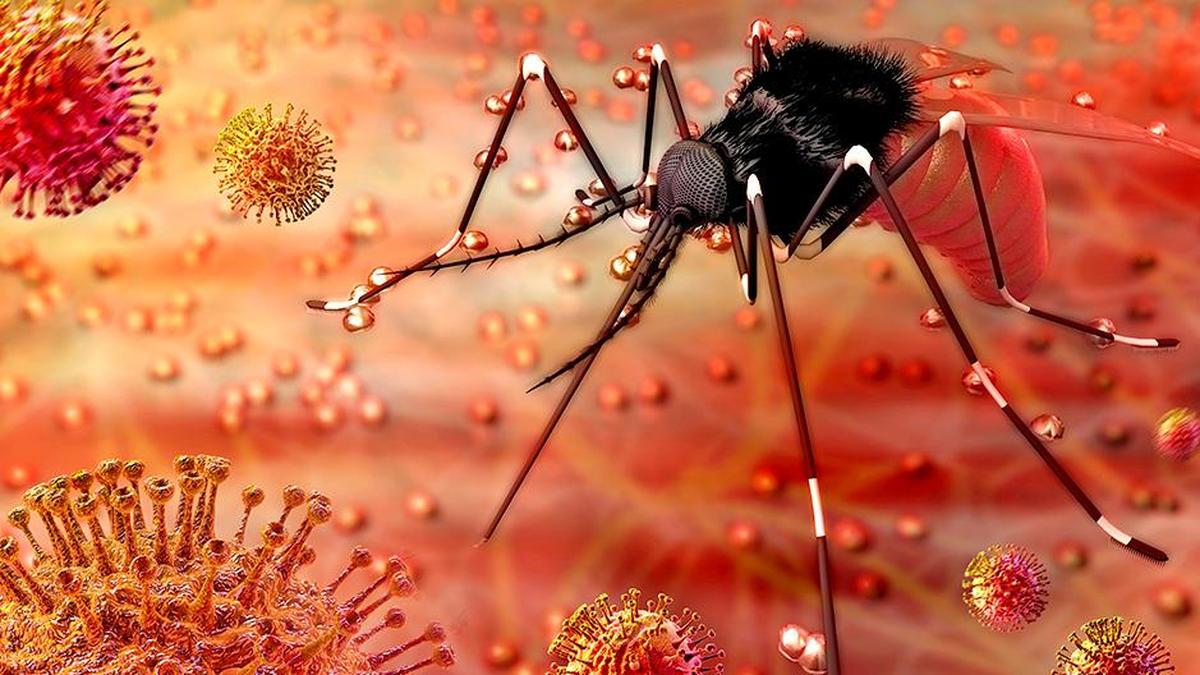
A mosquito bites a person carrying malaria parasites. The parasites undergo further development inside the insect. When the infected mosquito later bites another person, the parasite can enter the new host and begin another infection. Image used for representational purposes only
| Photo Credit: istock.com/nopparit
Anyone waiting for municipal approval of a building plan may wonder why a local body should regulate construction on private land. In the Madras Presidency, such powers were formalised under the Madras City Municipal Corporation Act, 1919. After Independence, the first Conference of State Ministers on Town and Country Planning in 1960 gave impetus to master plans, planning legislation and similar regulatory systems across India. Behind these powers lay a public health purpose: ensuring proper drainage, sewage disposal, and healthier settlements. That rationale had been powerfully reinforced decades earlier by the work of a British doctor in India, who showed how environmental neglect could enable a tiny member of the animal world to transmit a deadly disease killing millions.
On August 20, 1897, inside a modest laboratory in Secunderabad, a British medical officer named Ronald Ross bent over his microscope and examined the stomach of this creature. What he saw that afternoon would help change the course of medicine. Within the stomach wall there were small and pigmented bodies. Ross had allowed the creature to feed on a patient with malaria several days earlier. The structures he was seeing provided crucial evidence that the malaria parasite did not merely pass through that creature by accident, but developed inside it. That was the point at which the role of that creature in the malaria lifecycle began to become scientifically visible. That creature is none other than a mosquito, and World Mosquito Day on August 20 was to commemorate this discovery in India.
For centuries, people suffered from malaria without knowing what caused it. The disease was particularly common around marshes and stagnant water. Since people living near such places frequently developed fever, chills and weakness, the illness came to be associated with unhealthy air. The very word ‘malaria’ comes from the Italian mala aria, meaning ‘bad air’. The association with stagnant water was not entirely wrong. What people could not see was that the water provided breeding sites for mosquitoes.
An important breakthrough came in 1880, when the French physician Alphonse Laveran examined the blood of patients with malaria and identified the parasite responsible for the disease. For the first time, scientists could actually see the organism causing malaria. But solving one mystery created another. If the parasite lived in human blood, how did it move from one person to the next? It could not simply appear in another person’s bloodstream. Some mechanism had to carry it. This missing link became one of the great medical questions of the late nineteenth century.