Linus Torvalds created the Linux kernel and gave it away for free. Anyone can take it, change it, and do whatever they like with it, as long as the changes they make are also available for free to everyone else.
Despite the fact that you can have Linux right now without paying anyone a cent, it's the backbone of a multi-billion dollar global market, and if you actually calculate its value in every area it's touched, it's probably far more valuable than we know. There are many reasons why this free and open-source software is worth so much despite having a price tag of zero, but I think these are the most important ones.
The majority of web servers used by the public, most cloud infrastructure, and, of course, those new data centers everyone loves so much run on Linux. The Linux kernel is pretty bulletproof, and allows for servers to be updated and patched without even needing a restart in many cases.
The fact that companies who run this infrastructure can customize Linux to their exact individual needs also has a lot to do with its popularity as the OS of choice if you want stuff to work, and keep working, while millions of people depend on the services that you provide. This means that even though you may have never tried a desktop flavor of Linux, you've almost certainly interacted with a Linux computer by simply using the internet.
While America sure does love the Apple iPhone, if you look at the world as a whole, you'll see that Android handsets are by far the most popular choice.
It makes sense, since Android is designed to run on a wide range of hardware and that includes budget devices as well as high-end flagship phones.
Android holds almost 70% of the global mobile OS market, but when you dig down to the open source heart of Android, you'll find the Linux kernel looking back at you. So think of all the change that smartphones have brought to the world, and the massive value it represents. I think it's fair to assign at least some of the credit to Linux for making that possible.
Get the new Galaxy S26 Ultra with AI smarts and an all-new privacy display. It's big, powerful, packed with AI, and you'll love the S-Pen stylus.
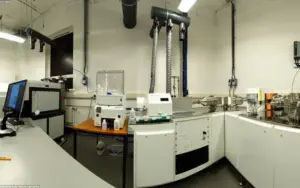
There is no doubt that Linux rules the world of science. The open nature of Linux alone makes it attractive to big nonprofits like universities, because you can shape Linux into the very specific OS you need for your project.
Likewise, if you want to build a supercomputer, Linux is the easiest path to creating something that will work with the specific architecture your supercomputer design needs. It's not that you can't use proprietary operating systems, it's just that you'd need the cooperation of whoever owns that operating system to make it work.
Supercomputers need to squeeze every bit of performance out of their hardware they can, and using Linux as a basis before doing those hyper-specific optimizations just makes sense.
The Linux kernel is licensed under GPL v2, which has the very interesting provision that if you build a device that uses the Linux kernel, you are allowed to lock that device down so that people who buy it can't mess with it. While not everyone in the open source world is happy with this provision, it has meant that Linux has spread absolutely everywhere.
That little emulation handheld system you see above runs Linux. Your router has a very good chance of being a Linux box. Small smart devices like IP security cameras can run Linux too. It means businesses can independently develop and maintain the OS software that runs their products, and never be dependent on any other company.
By design, Linux is not owned or controlled by anyone. Linus Torvalds is the custodian of the Linux kernel and decides what code is integrated into future versions of it, but nothing stops anyone from simply forking the kernel and doing their own thing.
Linux represents the sum knowledge and efforts of tens of thousands of people. It's a collective project that benefits all of us. It means we've had access to cheaper devices, better scientific projects that could move faster and cost less, and, of course, anyone who wants an operating system for their computer can have Linux for free right now.