Andy is a senior writer and former Mac editor at HTG. He has over 20 years experience as a consumer tech journalist, and has covered everything from the old Palm Pilots to the original iPhone and Android devices, to the latest gadgets.
He has written and edited for UK-based print publications like PDA Essentials and Android Magazine, and online at sites including MUO, Android Tips and Hacks, broadband.co.uk, and Envato. He has a passion for all things mobile and has been a keen Mac enthusiast since 2005.
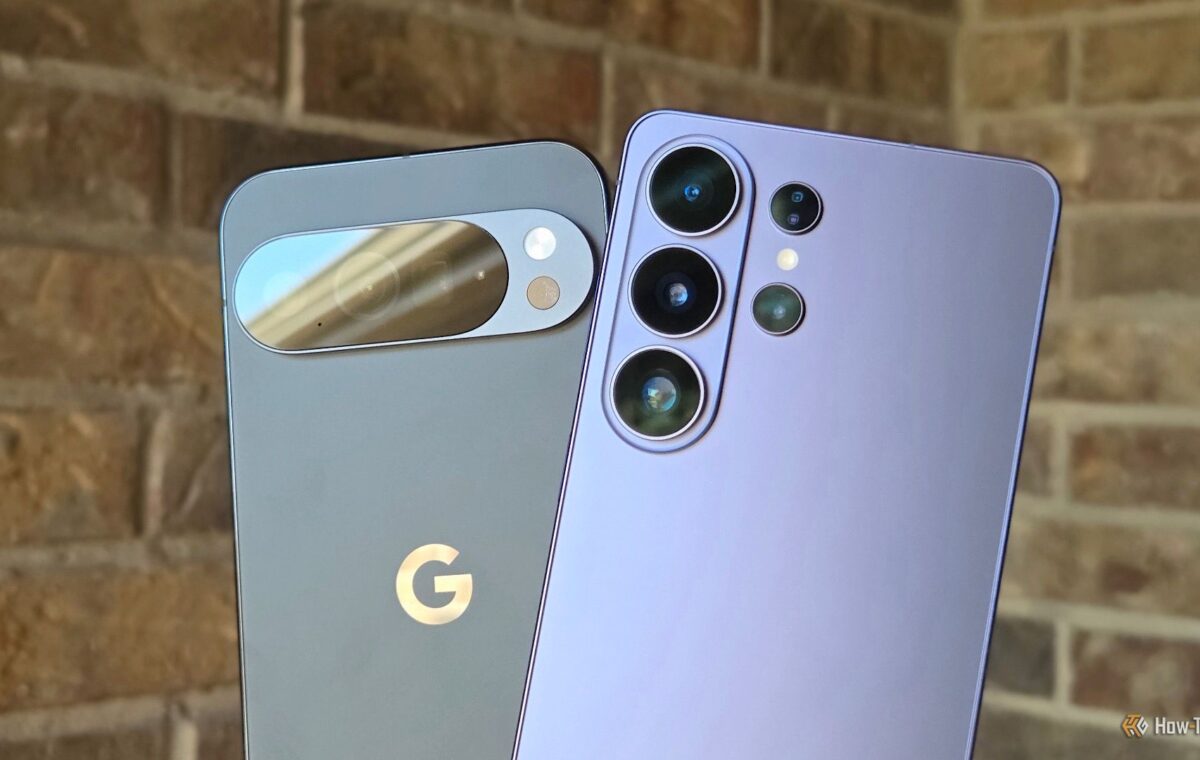
Google has been my favorite Android manufacturer for a long time. I've used Pixel phones for nearly a decade, and before that, I used Nexus phones and tablets. But that run is coming to an end. Next time I upgrade, I'll be switching over to the Samsung Galaxy side.
I always admired Google's approach to making Android phones. Pixel phones were simple, with clean software, a great camera, timely updates, and nice-looking hardware. Yes, it was a Google-first approach to the software, but it was far subtler than the bloatware you get from other manufacturers.
But over recent years, the Pixel identity has changed. What we once thought of as "stock Android" has effectively disappeared. If you want stock Android now, you need to run a custom ROM like LineageOS. Pixels are now very firmly Google devices, running Google software and reflecting Google's priorities, which increasingly means AI.
All the things that I used to like about Pixels now seem to be secondary, and that's not what I'm looking for in a phone. Meanwhile, Samsung's approach has become much more interesting by comparison.
I recently argued that it was hard to justify buying new Android phones in 2026, and the Pixel 11 launches did not change my mind. At best, the phones are a sideways step. In some cases, they're actually a downgrade on what came before.
Disappointing hardware has become something of a theme with the Pixel range. I used to like the fact that Google didn't feel the need to compete on specs and raw performance, and would instead focus on the whole package, but I'm not sure that approach cuts it anymore. After all these years, Google's own Tensor chips still haven't closed the performance gap against flagship processors, and they're now chipping away at the quality in more specific areas.
The base 11 Pro and Pro XL, for example, actually have less RAM than their equivalent devices from last year, even though they come with a higher price tag. The Pixel 11 has a slightly larger main camera sensor than the Pixel 10 had, but they're both still considerably smaller than the one in the Pixel 9.
The few hardware innovations there are, like the new HiLight feature or the inclusion of a temperature sensor, are hardly essentials.
Google's "whole package" philosophy for Pixel specs only works when the whole package is obviously better, and I'm not sure that it is anymore. Samsung still feels like a company that is trying to make genuinely high-end flagships across different form factors.
Most phones now come with seven years of software support, which is what makes it hard to justify buying new devices. There's really no rush to upgrade. Yet with Pixel phones, seven years of support isn't quite what it seems.
You get OS updates and security updates, so the basics are covered. But as far as exciting new features go, the picture is less clear. New phones tend to come with new software features, and they may roll out to the previous generation over time. But if you've got a Pixel that's more than a couple of generations old, you shouldn't take for granted the fact that you'll get any of the features you might be interested in at all.
Samsung's approach appeals more. One UI updates bring a steady stream of new features across the range, rather than making each new device's software a reason to upgrade.
Against all of this, Samsung phones are starting to look more appealing. I like the design of the phones, and the choice that you get from Samsung is great. I like that the flagship phones have true flagship performance. I'm starting to prefer Samsung cameras now, with their lower reliance on AI and the more powerful camera app. The Pixel camera is great for point-and-shoot photography, but too simple for anything more creative.
I also like the consistency of the One UI experience and the interesting features Samsung has packed into it. Something like the Good Lock app, for example, is great for people like me who enjoy tinkering with things.