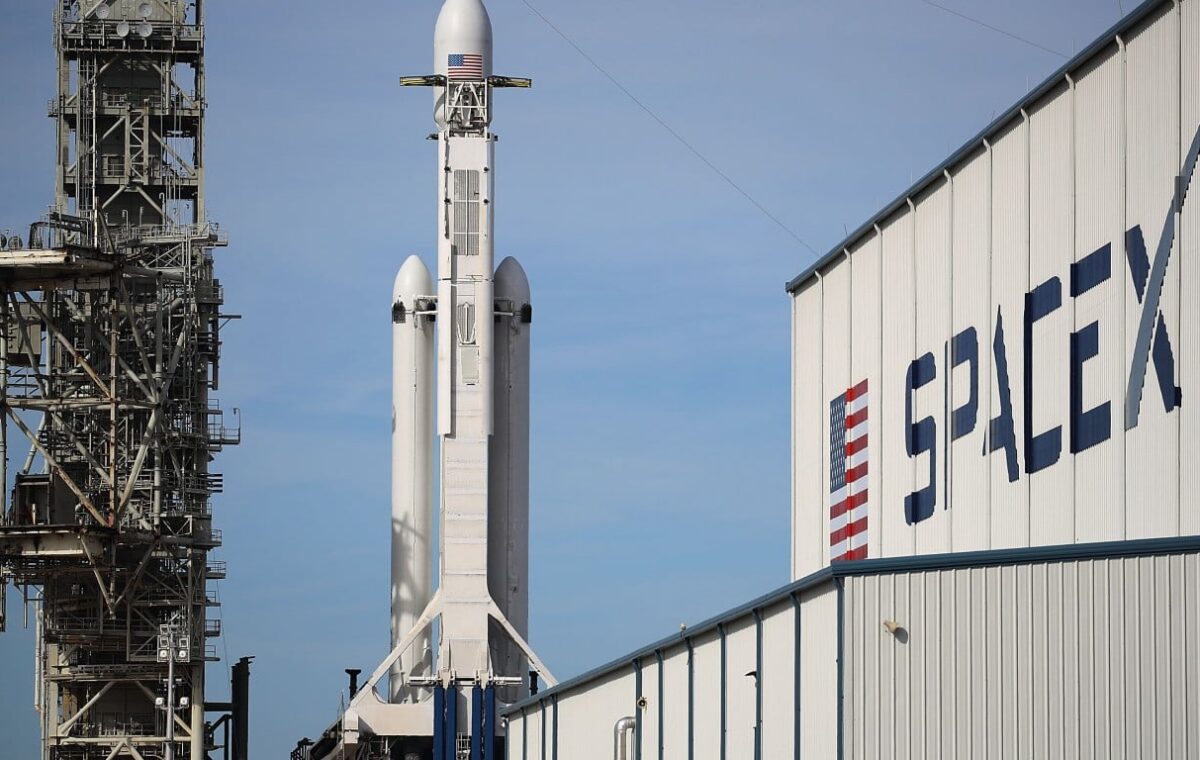
SpaceX's $100 billion lockup expiration more than doubled its tradable float yet shares gained over 5% as markets had already priced in the risk.
ARK Invest and retail buyers absorbed the unlock while ~35% short interest created conditions for short covering that lifted shares.
The overhang persists as roughly $800 billion in additional SpaceX shares become eligible for sale through October.
It sounds nuts, but SoFi1 is giving new Active Invest users up to $3,000 in stock for a limited time, and all it takes is a $50 deposit to get started.2 See for yourself (Sponsor)
For weeks, investors have focused on one date they believed could unleash another wave of selling in one of 2026's most closely watched IPOs.
Lockup expirations often flood the market with new shares, increasing supply and weighing on stock prices, particularly when a company has already stumbled. SpaceX (NASDAQ:SPCX) appeared to fit that script perfectly after a sharp post-earnings decline on Wednesday. Yet when roughly $100 billion worth of shares became eligible for sale today, the collapse many expected never materialized. Instead, the stock turned higher, offering investors an important reminder that what the market anticipates is often more important than what actually happens.
SpaceX's second-quarter earnings report on Tuesday showed the business continues executing well. Yet that wasn't enough to stop shares from falling almost 15% on Wednesday as investors focused on another number entirely: capital spending. Like the hyperscalers pouring hundreds of billions of dollars into AI infrastructure, SpaceX's growing investment bill raised fresh questions about future cash flow.
That earnings sell-off only added to concerns surrounding today's lockup expiration. According to the SpaceX prospectus, the first lockup tranche becomes eligible for sale "on or after the second full trading day on Nasdaq immediately following" the release of second-quarter results. Because earnings were announced after the close on Aug. 4, today marked the first major unlock.
SoFi Active Invest is offering a limited-time promotion. Open an account, fund it with $50 or more, and you could receive up to $3,000 in complimentary stock for Active Invest accounts. See for yourself by clicking here now. (Sponsor)
On paper, more than doubling the tradable float should have created enormous selling pressure. Instead, by late morning Thursday, SpaceX is still up almost 3%% after gaining more than 5% earlier in the session.
Surprisingly, that's exactly how many lockup expirations play out.
A $100 billion wave of shares hit the market—and SpaceX didn't blink. See how the year's biggest lockup turned into a shock relief rally. © 24/7 Wall St.
A lockup expiration makes shares eligible to trade. It doesn't require insiders to sell them. Today's newly eligible shareholders include employees and early investors who have held SpaceX for years. Even after the IPO, the stock remains roughly 20% below its $135 offering price and more than 50% below its post-IPO high near $226.
Many insiders may simply decide to wait. With a very low cost basis, they can afford to. Others remain restricted by extended lockups or Rule 10b5-1 trading plans that schedule sales over time rather than all at once.
Markets also tend to price in well-known risks before they happen. JPMorgan analyst Doug Anmuth noted investors had been positioning for this unlock for weeks, helping explain why much of the pressure may have already appeared during Wednesday's earnings-driven decline.