Inflation used to be a word we associated with onions, petrol and cooking gas. Today, it has followed us into the multiplex, the concert arena, the cafe and even the office pantry. Two new terms have entered the economic vocabulary to describe this shift: funflation and treatflation. Together, they capture a quiet but powerful change in how we spend, live and save.
Funflation refers to the steep rise in the cost of experiences, particularly entertainment. Concert tickets, live sports, theme parks and weekend getaways have become dramatically more expensive in recent years. When international artists tour India, tickets that rival a month’s household grocery bill sell out within minutes, with travel and hotel costs stacked on top, because the experience feels unmissable.
The pandemic played a big role here. Years of lockdowns created a hunger for shared experiences, and event organisers priced that hunger accordingly. Demand soared, supply of marquee events remained limited, and funflation was born.
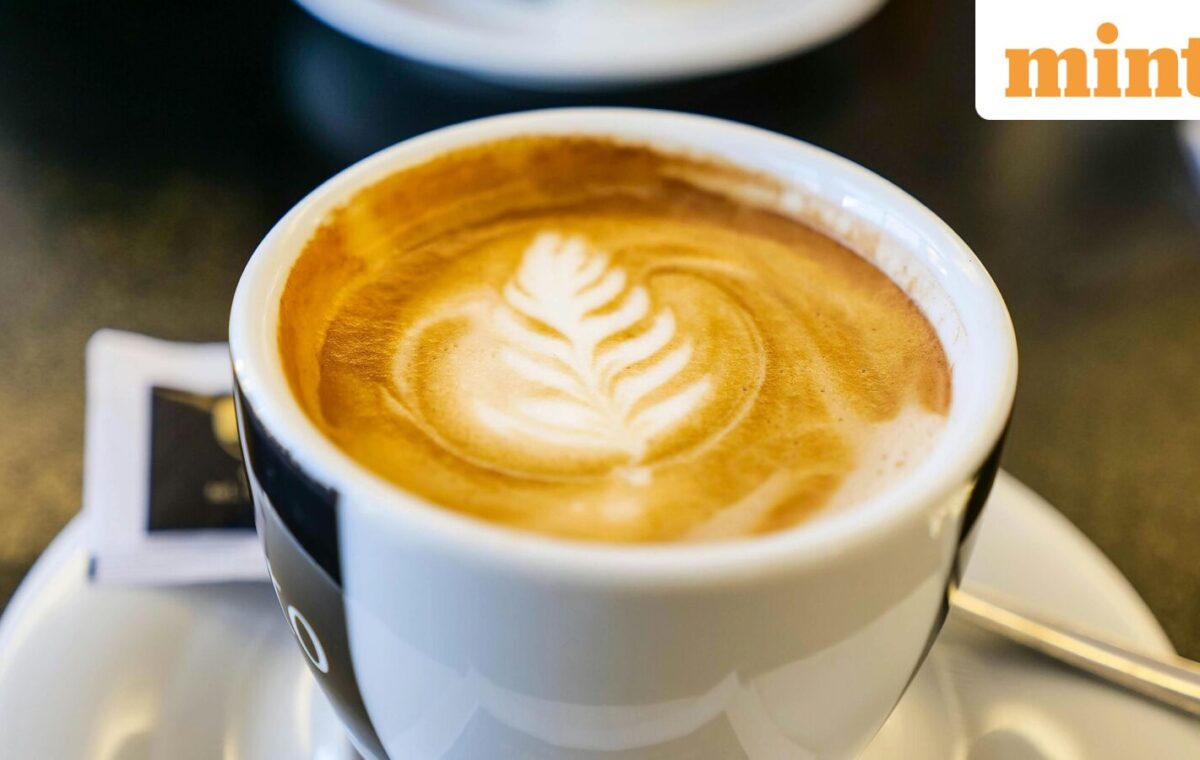
Treatflation is funflation’s smaller, sneakier cousin: the rising cost of everyday indulgences we tell ourselves we deserve. The artisanal coffee that once cost ₹150 now costs ₹350, the croissant has become a luxury item, and food delivery comes with platform fees, packaging charges and surge pricing that quietly inflate every order.
What makes treatflation dangerous is its invisibility. Nobody budgets for a cookie. These purchases feel too small to matter, yet they repeat daily or weekly.
A ₹300 treat three times a week adds up to nearly ₹47,000 a year—money that might otherwise have gone into savings or investments.
Treatflation has a distinctly workplace avatar, too, one that most Indian professionals will recognize instantly. It is the unwritten rule that a birthday, promotion, salary hike or new job demands a treat from the person celebrating. Party dena is almost a corporate ritual, and the expected scale keeps rising—from a box of sweets a decade ago to full team lunches and cafe outings today.
Alongside these are the endless small contributions: pooling money for a colleague’s birthday cake, a farewell gift, a wedding present, a baby shower or the annual team celebration. Each contribution feels modest, yet refusing can feel awkward because saying no carries a social cost in a relationship-driven work culture.
Psychologists call this normative social influence—the quiet pressure to conform so that we remain liked and included. These repeated outflows, a few hundred rupees at a time across dozens of occasions, can consume tens of thousands of rupees a year without ever appearing in a budget, because giving never quite feels like a choice.
The psychology behind these trends is fascinating. Social media has turned experiences into currency. A concert is no longer just music; it is content, proof of a life well lived. The fear of missing out is a remarkably effective pricing strategy.
There is also the little treat as emotional compensation. In a world of demanding jobs and constant screens, small indulgences make hard days bearable. Companies are not selling coffee or dessert; they are selling comfort—and comfort commands a premium.
Funflation and treatflation are visibly changing lifestyles. Younger consumers increasingly prioritise experiences over possessions, and surveys consistently show that many would rather spend on a concert or a trip than on durable goods, even if it means dipping into savings or taking on credit. This has given rise to what critics call doom spending: the urge to spend freely because the future feels uncertain anyway.
With housing out of reach for many young people, the money a previous generation saved for a down payment now funds travel, dining and entertainment. If the big goals feel impossible, why not enjoy the small ones?
The impact on savings habits is where the concern deepens. Household financial savings have been under pressure, and when entertainment, indulgence and social spending rise faster than incomes, something has to give: the SIP that gets paused, the emergency fund that never gets built or the credit card bill that quietly grows.
Buy-now-pay-later services make this even easier, splitting concert tickets and holidays into instalments that feel painless now and painful later. The result can be a generation that is experience-rich but savings-poor.